


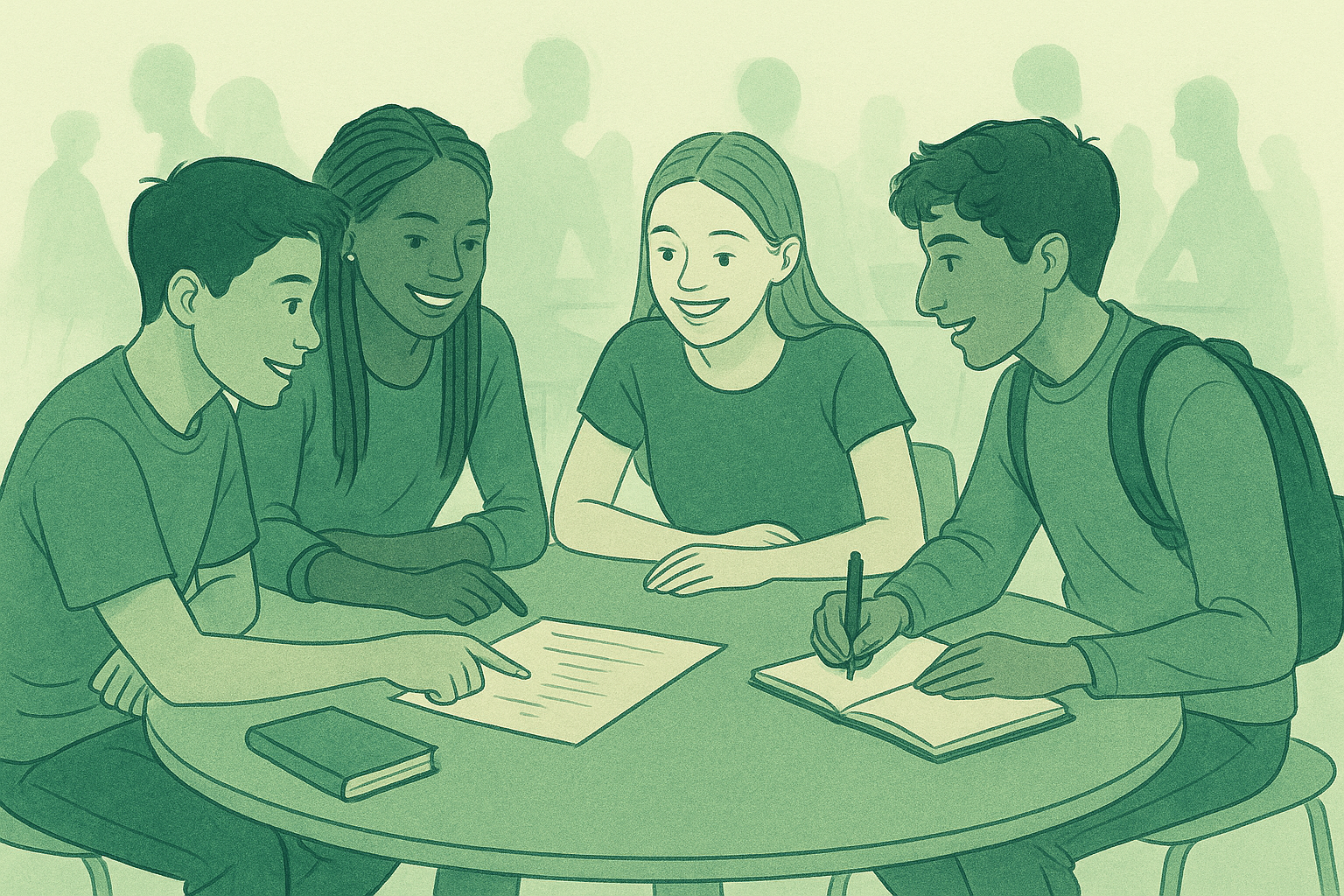
Future‑Focused Teaching for Secondary: Practical Ways to Build Agency, Relevance, and Deeper Learning
Future-focused teaching empowers secondary students through agency, real-world relevance, and deeper learning via choice, feedback, inquiry, cross-curricular projects, and reflective practices.
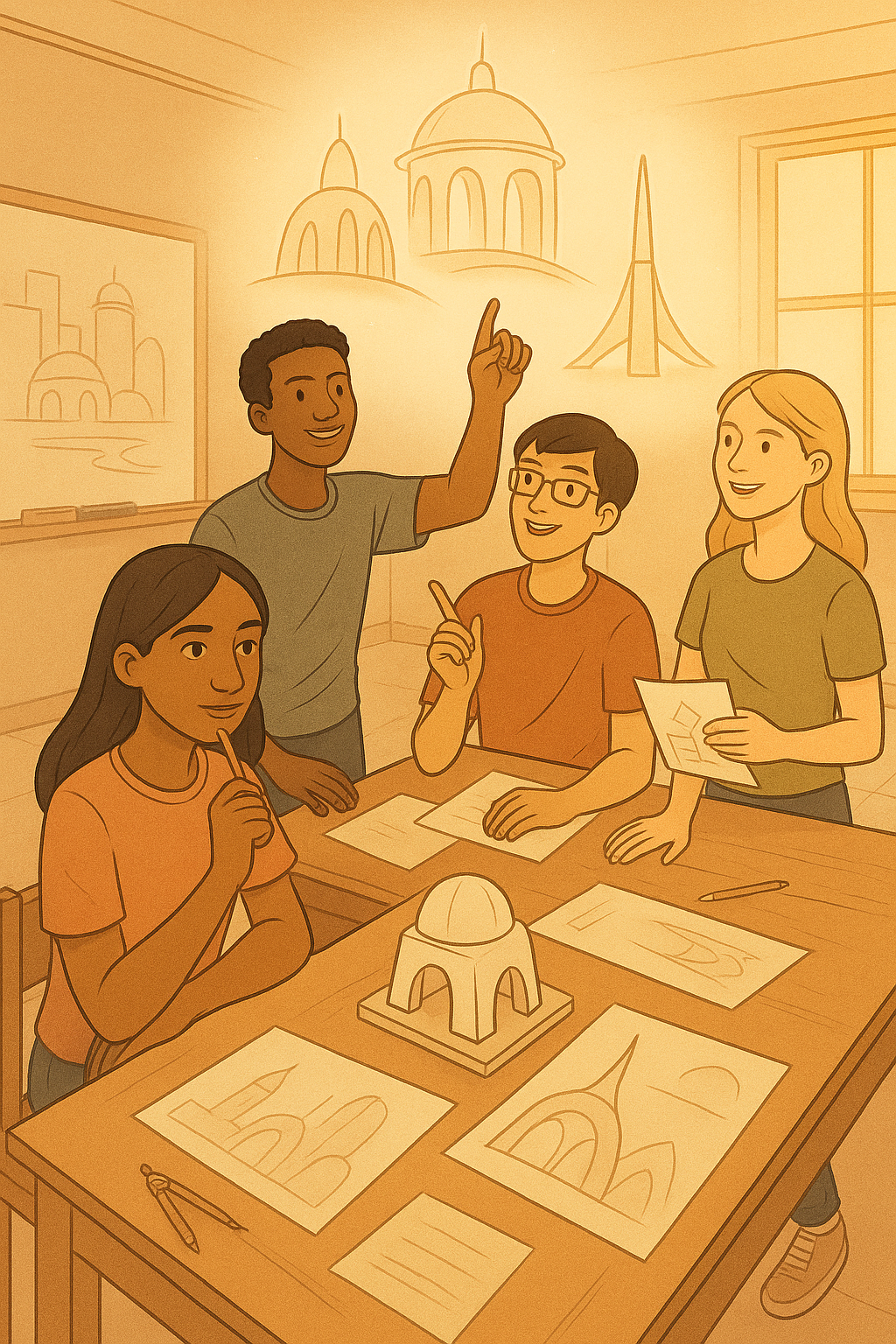
Future-Focused Teaching for Secondary Classrooms: Practical Ways to Build Agency, Relevance, and Deeper Learning
This guide offers practical strategies for secondary teachers to build student agency, real-world relevance, and deeper learning through creative thinking, wellbeing, project-based learning, authentic assessment, and metacognition.
Student Agency in Secondary Schools: Why It Matters and How to Support It
Student agency in secondary schools boosts engagement, wellbeing, and real-world skills by empowering students with choice, goal-setting, inquiry learning, co-creation, and self-assessment.
Student Agency, Sorted: 9 Practical Tools for Modern Classrooms
Nine practical tools—choice boards, learning contracts, co-designed criteria, goal-setting, check-ins, agency rubrics, student-led conferences, peer critiques, and authentic projects—boost student agency, engagement, and real-world learning with minimal extra workload.

Letting Learners Lead: Practical Ways to Build Student Agency and Ownership
Build student agency by fostering learner autonomy, encouraging pupil voice, co-creating success criteria, and using strategies like project-based learning, formative assessments, and metacognition for ownership.

Agency in action: practical ways to build student ownership of learning
This guide offers practical strategies—voice, choice boards, reflection, co-created criteria, PBL, inquiry, goal-setting, and student-led conferences—to build student ownership, engagement, and agency in learning.

Beyond One-Size-Fits-All: Personalised Learning Approaches for Secondary Classrooms
Personalised learning in secondary education enhances student agency, differentiation, formative feedback, and future-focused strategies like enquiry-based learning to boost engagement, skills, and wellbeing.

From Student Voice to Genuine Agency: Practical Moves for Future‑Focused Classrooms
This guide promotes shifting from student voice to genuine agency by co-designing learning, offering meaningful choices, fostering human-centered classrooms, using authentic assessments, and strengthening higher-order thinking skills for future readiness.
