


 Paul Slowey
Future-Focused Teaching for Secondary Classrooms: Practical Ways to Build Agency, Relevance, and Deeper Learning
Forget everything you know about traditional lesson plans. Your students need strategies that spark real-world relevance and deeper learning right now. This guide to future-focused teaching offers clear, classroom-ready ideas to build student agency and creativity across Key Stages 3 to 5. Try one strategy this week, then explore resources like New ABCs and the 9 Steps course to keep your teaching fresh and purposeful.
Building Student Agency
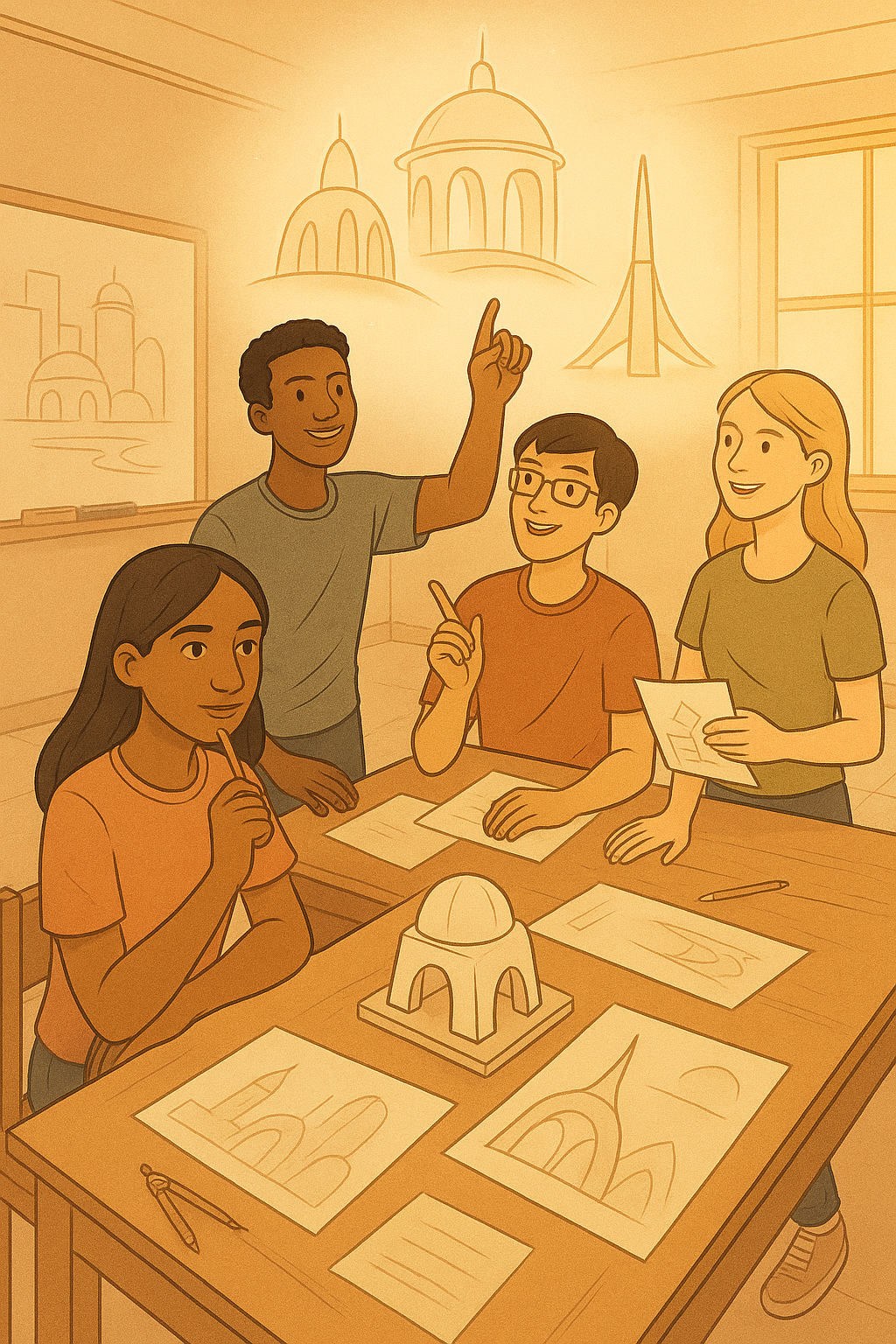
In today’s classrooms, empowering students involves more than just delivering content. Teachers need strategies that engage students, allowing them to take ownership of their learning. Here’s how you can build a classroom that inspires agency and creativity.
Empower Pupil Voice
Imagine your classroom as a space where every student’s voice has value. Encouraging pupils to express their ideas can transform how they learn. Start with regular class meetings to discuss topics that matter to them. Give students leadership roles in these discussions. This not only boosts confidence but also fosters a sense of belonging.
Another approach is to incorporate feedback loops. Let students reflect on their learning experiences and suggest improvements. This involvement increases their engagement and makes them stakeholders in their education journey. With time, you’ll notice more proactive participation and a desire to learn.
Foster Creative Thinking in Schools
Creativity isn’t just for arts classes. It’s a skill that enhances any subject. Begin by integrating open-ended projects that allow students to explore multiple solutions. This can be as simple as a science experiment or a literature analysis, encouraging them to think outside the box.
Use brainstorming sessions to spark new ideas. Set aside time for free-thinking and let students jot down every thought without judgment. These sessions can break the routine, making learning more exciting. By regularly practising creative thinking, students become more adaptable and innovative.
Promoting Wellbeing in Education
Student wellbeing is crucial for effective learning. Encourage a classroom atmosphere where students feel safe to express themselves. Start each day with a check-in, asking students how they feel and what support they might need. This builds a supportive community and shows students that their emotions matter.
Consider integrating mindfulness exercises into your routine. Simple breathing techniques or short meditation sessions can help students manage stress. A focus on wellbeing not only improves mental health but also enhances academic performance. A classroom that values wellbeing creates more resilient and focused learners.
Enhancing Real-World Relevance
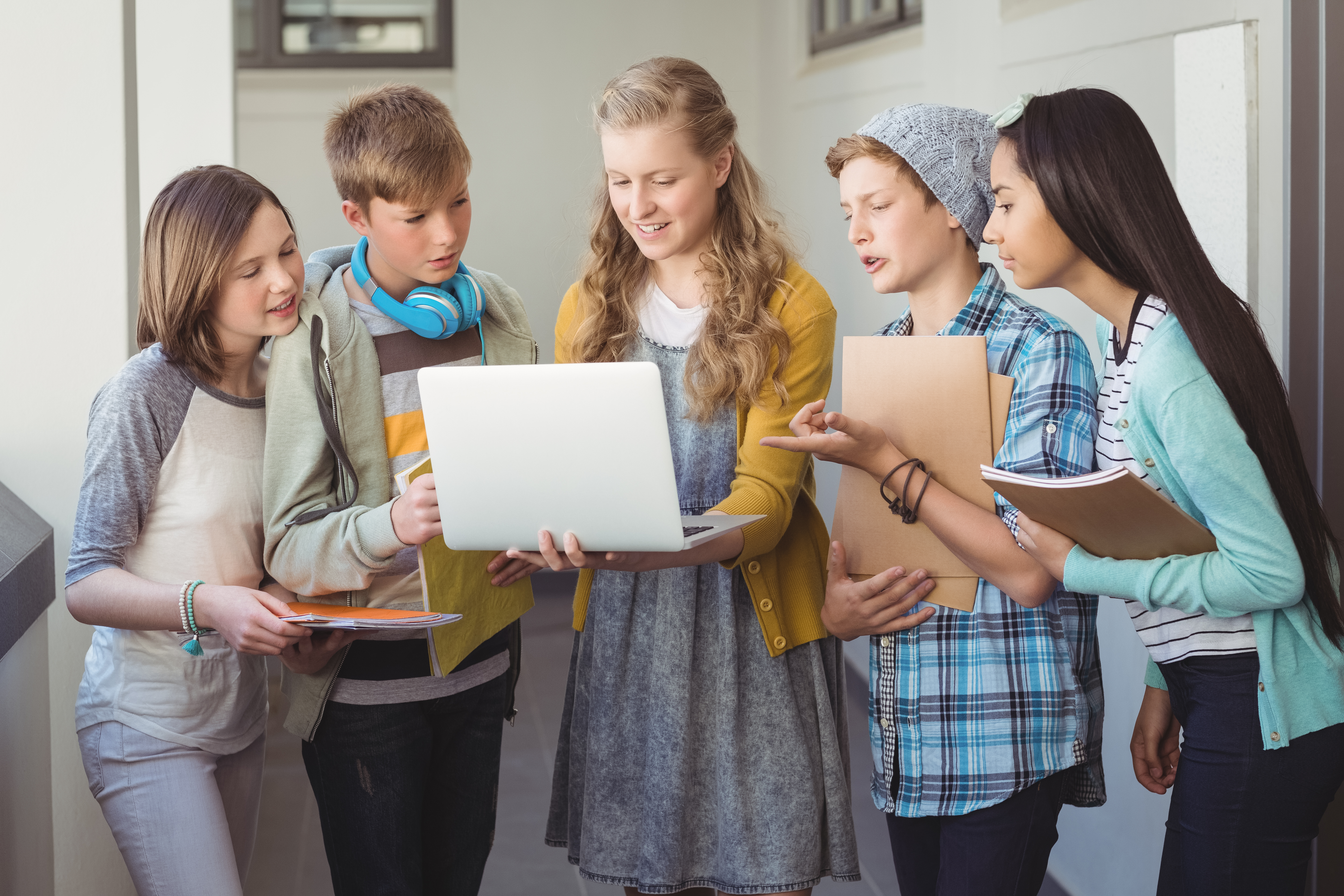
Education is at its best when it connects with the world outside school walls. Students need to understand how their learning applies to real-life situations. Here, we explore ways to ensure your teaching stays relevant and impactful.
Project-Based Learning Techniques
Project-based learning (PBL) is a powerful way to bridge classroom learning with real-world applications. Start by identifying a problem within your community that students can address. Encourage them to research, brainstorm solutions, and present their findings. This method not only teaches academic content but also instills problem-solving skills.
PBL involves collaboration, critical thinking, and communication. These are vital skills for any future career. By engaging in meaningful projects, students see the value of their education beyond grades. This hands-on approach makes learning relevant and memorable.
Authentic Assessment Strategies
Traditional tests don’t always capture a student’s understanding. Authentic assessments, like portfolios and presentations, provide a fuller picture of a student’s capabilities. Encourage students to create projects that demonstrate their learning in a practical context.
Invite community members to evaluate student work. This gives assessments a real-world perspective and students receive feedback from outside the school setting. Such strategies not only engage students but also prepare them for real-life challenges. Authentic assessments affirm the relevance of their learning journey.
Connecting Curriculum to Life
Connecting lessons to real-life scenarios makes learning relevant and relatable. Use current events as teaching tools. Relate historical events to today’s world, or connect science concepts to everyday life. This approach helps students see the practical application of what they learn.
Field trips and guest speakers are other excellent ways to link curriculum to life. They provide firsthand experiences that enrich the learning process. By connecting classroom content to the real world, students gain a deeper understanding and appreciation of their studies.
Encouraging Deeper Learning

Deeper learning involves mastering skills that enable students to apply knowledge in new ways. It encourages critical thinking, problem-solving, and self-reflection, essential for lifelong learning.
Higher Order Thinking Skills (HOTS)
Developing Higher Order Thinking Skills is crucial for student success. Encourage analysis, evaluation, and creation rather than just memorisation. Use questions that require students to think critically and explore multiple viewpoints.
Incorporate activities that challenge students to draw connections between different concepts. Peer discussions and debates are excellent ways to stimulate HOTS. By focusing on these skills, you’ll prepare students to think deeply and tackle complex problems.
Metacognition in the Classroom
Metacognition, or thinking about one’s thinking, enhances learning. Teach students to plan, monitor, and evaluate their learning strategies. Encourage them to ask questions about their understanding and the methods they use to solve problems.
Reflection journals are a great tool for metacognition. Students can document what they learn, the strategies they use, and how they can improve. This self-awareness fosters independent learners who are equipped to adapt and thrive.
Assessment for Learning Approaches
Assessment for Learning (AfL) is about using assessment as a tool to promote learning. Provide formative feedback that guides students rather than simply grading them. This feedback helps students understand their strengths and areas for improvement.
Encourage peer and self-assessment. It engages students in the learning process and helps them develop a critical eye for quality work. AfL creates a supportive environment where students view assessments as opportunities for growth rather than judgment.
By incorporating these strategies, you’ll foster a classroom culture that values agency, relevance, and deeper learning. Your students will not only excel academically but will also be prepared to face the challenges of the future with confidence and creativity. 🌟📚✨
For more insights, explore resources like the New ABCs book and the Teach for Tomorrow YouTube Channel.
