



Future‑Focused Secondary Teaching: Practical Ways to Build Agency, Relevance, and Deeper Learning
Future-focused secondary teaching promotes student agency, real-world relevance, and deeper learning through choice, inquiry, authentic assessment, wellbeing links, higher-order thinking, metacognition, and project-based learning.
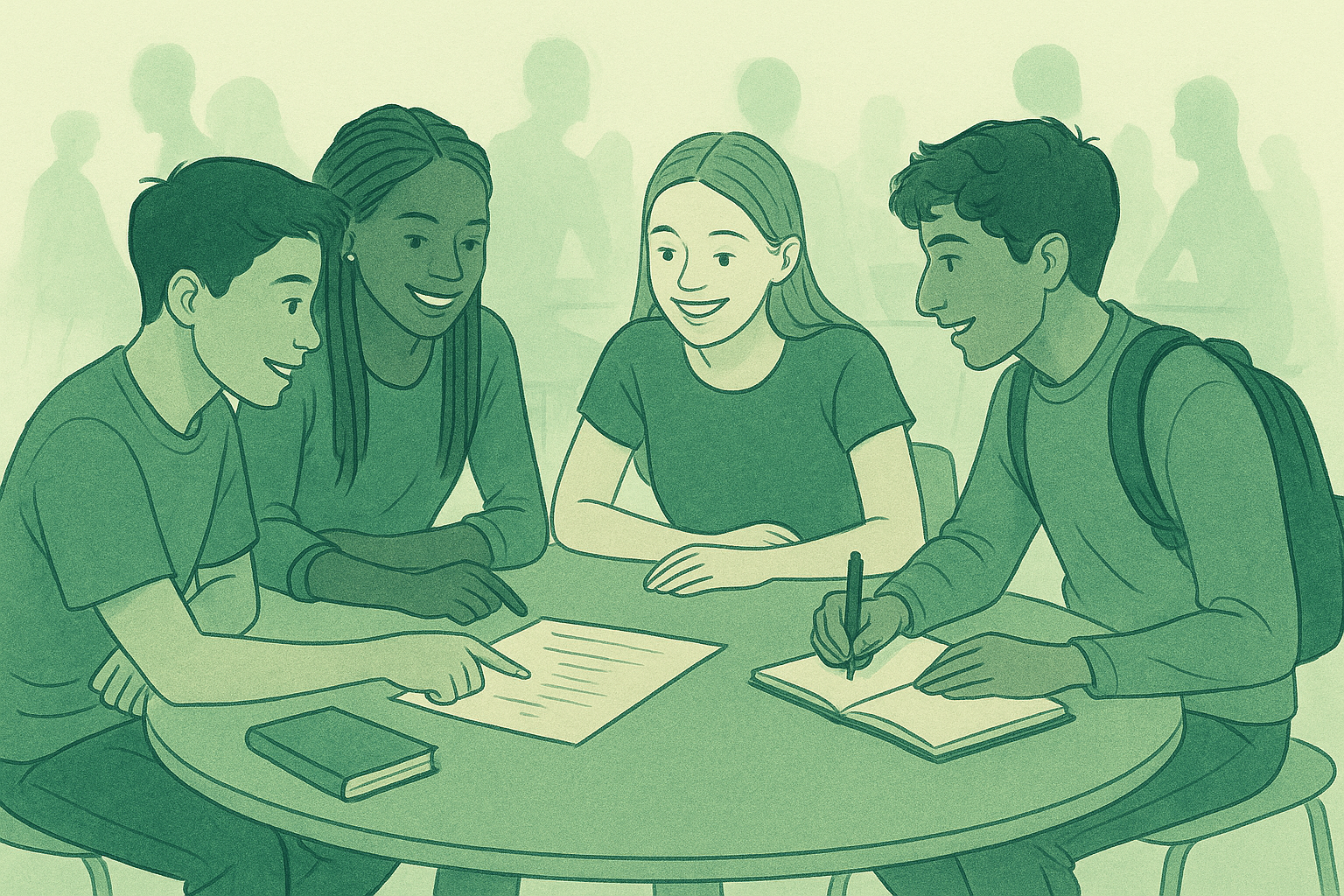
Future‑Focused Teaching for Secondary: Practical Ways to Build Agency, Relevance, and Deeper Learning
Future-focused teaching empowers secondary students through agency, real-world relevance, and deeper learning via choice, feedback, inquiry, cross-curricular projects, and reflective practices.
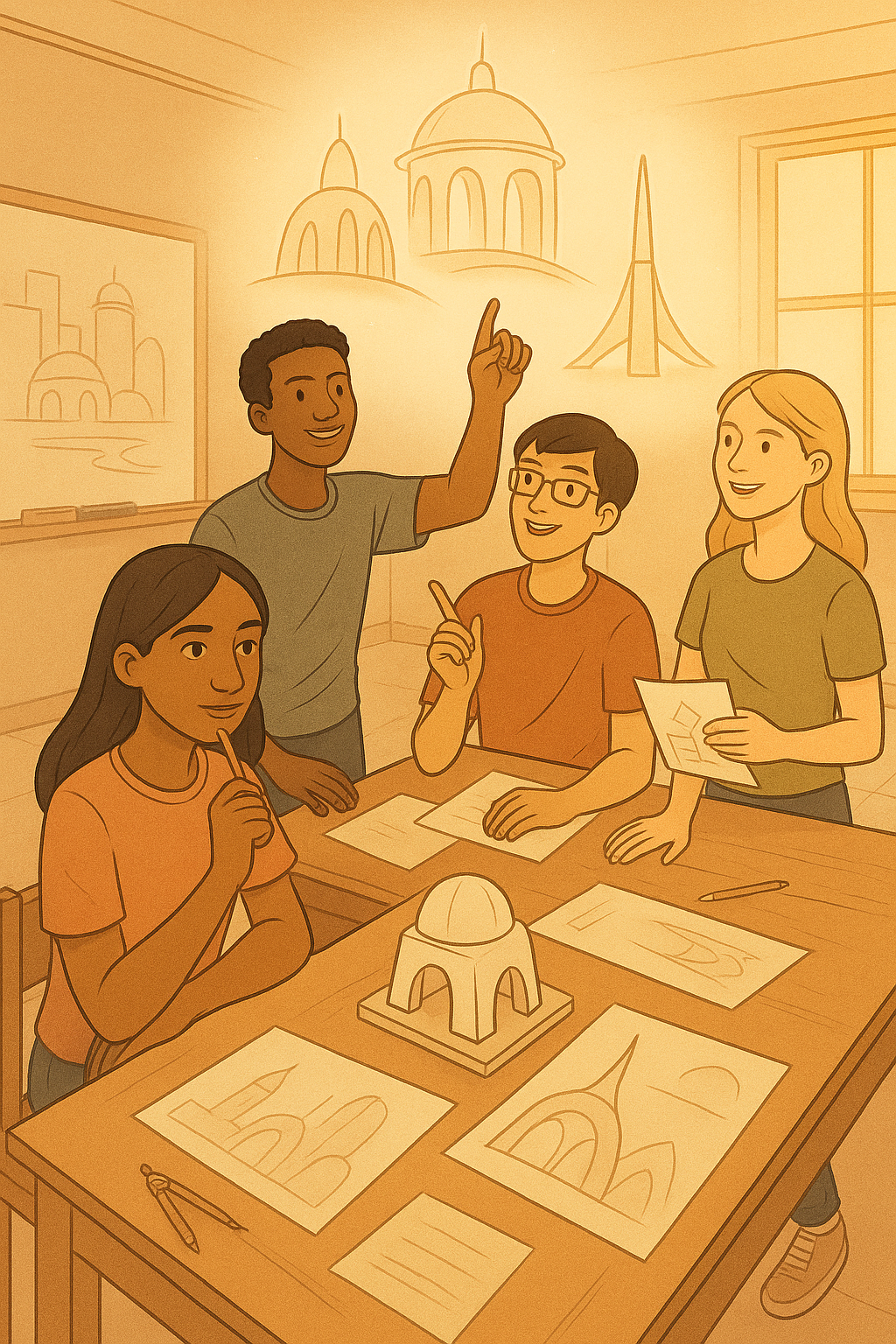
Future-Focused Teaching for Secondary Classrooms: Practical Ways to Build Agency, Relevance, and Deeper Learning
This guide offers practical strategies for secondary teachers to build student agency, real-world relevance, and deeper learning through creative thinking, wellbeing, project-based learning, authentic assessment, and metacognition.

Future‑Focused Secondary Teaching: Practical Moves to Build Agency, Relevance and Deeper Learning
This guide outlines future-focused secondary teaching strategies to build student agency, real-world relevance, deeper learning, and wellbeing, enhancing engagement and preparing learners for academic and life success.
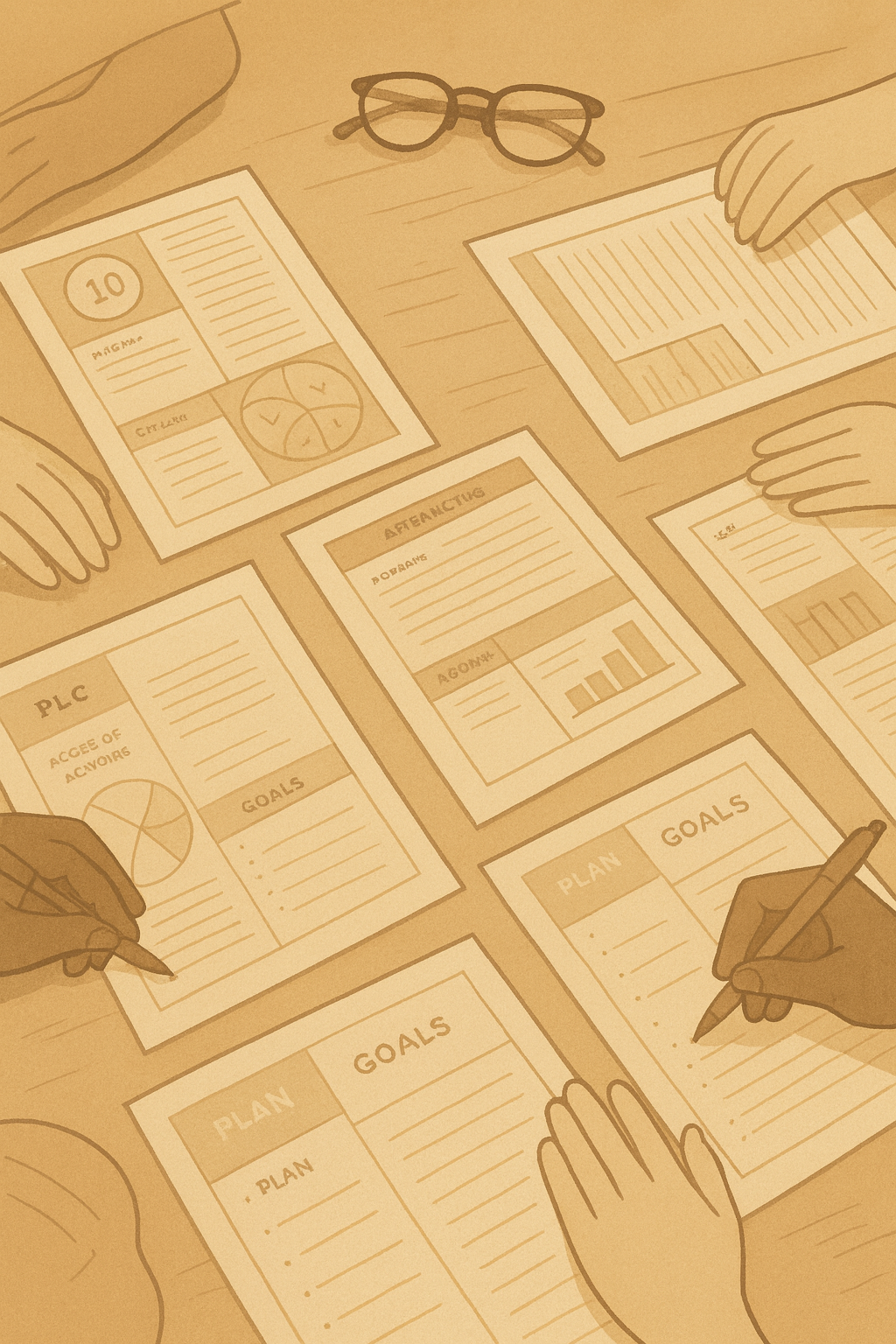
The Power of Protocols: Unlocking Discussion, Trust, and Independent Learning
Classroom protocols foster equitable participation, build trust, ensure psychological safety, and promote independent learning through structured routines, enhancing discussion, autonomy, assessment, and collaboration.
From Curriculum to Contribution: 8 Practical Moves for Real‑World Learning
This guide presents eight practical strategies to connect curriculum with community impact, boosting student agency, creativity, and real-world skills through inquiry, projects, authentic assessments, partnerships, and future-focused teaching.
How to Build a Future‑Focused Classroom: Practical Strategies for Busy Teachers
This guide offers practical strategies for teachers to build future-focused classrooms by fostering student agency, higher-order thinking, creativity, efficient routines, real-world learning, and wellbeing without added workload.
Higher‑Order Thinking, Made Simple: 7 Classroom Moves That Deepen Learning
This guide presents seven simple strategies to embed higher-order thinking daily, using Bloom’s Taxonomy, student agency, critical thinking activities, and project-based learning to deepen engagement and prepare students for future challenges.
How to create a human‑centred classroom that supports wellbeing and rigour
This guide outlines strategies to create a human-centred classroom that balances student wellbeing with academic rigour through positive culture, HOTS, student agency, project-based learning, and formative assessment.
Student Agency in Secondary Schools: Why It Matters and How to Support It
Student agency in secondary schools boosts engagement, wellbeing, and real-world skills by empowering students with choice, goal-setting, inquiry learning, co-creation, and self-assessment.
