


 Paul Slowey
Forget the tired lesson plans that leave students checked out before the bell rings. You know your secondary classroom needs more than just content delivery—it demands future-focused teaching that sparks student agency and deeper learning. This post lays out practical secondary classroom strategies that bring real-world relevance alive, with tools you can put to use right away. Ready to take your teaching further? Let’s get started. Learn more about future-focused teaching strategies here.
Building Student Agency

Feeling like your students are just going through the motions? Let’s change that. Discover how to empower them to take charge of their learning journey. This section will guide you to build a classroom where student voices matter.
Empowering Learner Voice and Choice
Start by embedding choice in everyday learning. Give students options on how they present their work. For example, a science project could be a written report, a video, or a model. This variety caters to different strengths and interests.
Encourage students to set personal goals and track their progress. This simple act can increase motivation and commitment. When students see their growth, curiosity ignites. They become more invested in what and how they learn.
Creating a classroom culture where questions are welcomed is vital. A curious classroom is a lively one. Invite students to ask their own questions about topics. This sparks deeper engagement and helps them take ownership of their learning.
Strategies for Inquiry-Based Learning
Inquiry-based learning transforms students into investigators. Start by posing a challenging question or problem. Allow students to explore solutions through research and experimentation.
Facilitate group discussions where students share findings and debate ideas. This interaction enhances critical thinking skills. When students learn from each other, they build a collaborative classroom community.
Provide real-world scenarios for students to solve. This approach connects classroom learning to life outside school, making it more meaningful and engaging. Check out this article on facilitating deeper learning for more tips.
Fostering a Sense of Ownership
Ownership of learning begins with accountability. Encourage students to self-assess their work. This practice develops reflective skills and a deeper understanding of personal strengths and areas for improvement.
Implement student-led conferences where learners present their progress to peers and teachers. This practice boosts confidence and communication skills. Students learn to articulate their learning journey and take pride in their achievements.
Provide opportunities for students to lead class activities. This can be as simple as conducting a warm-up exercise or leading a group discussion. When students see themselves as leaders, their engagement and responsibility skyrocket.
Real-World Relevance in Lessons
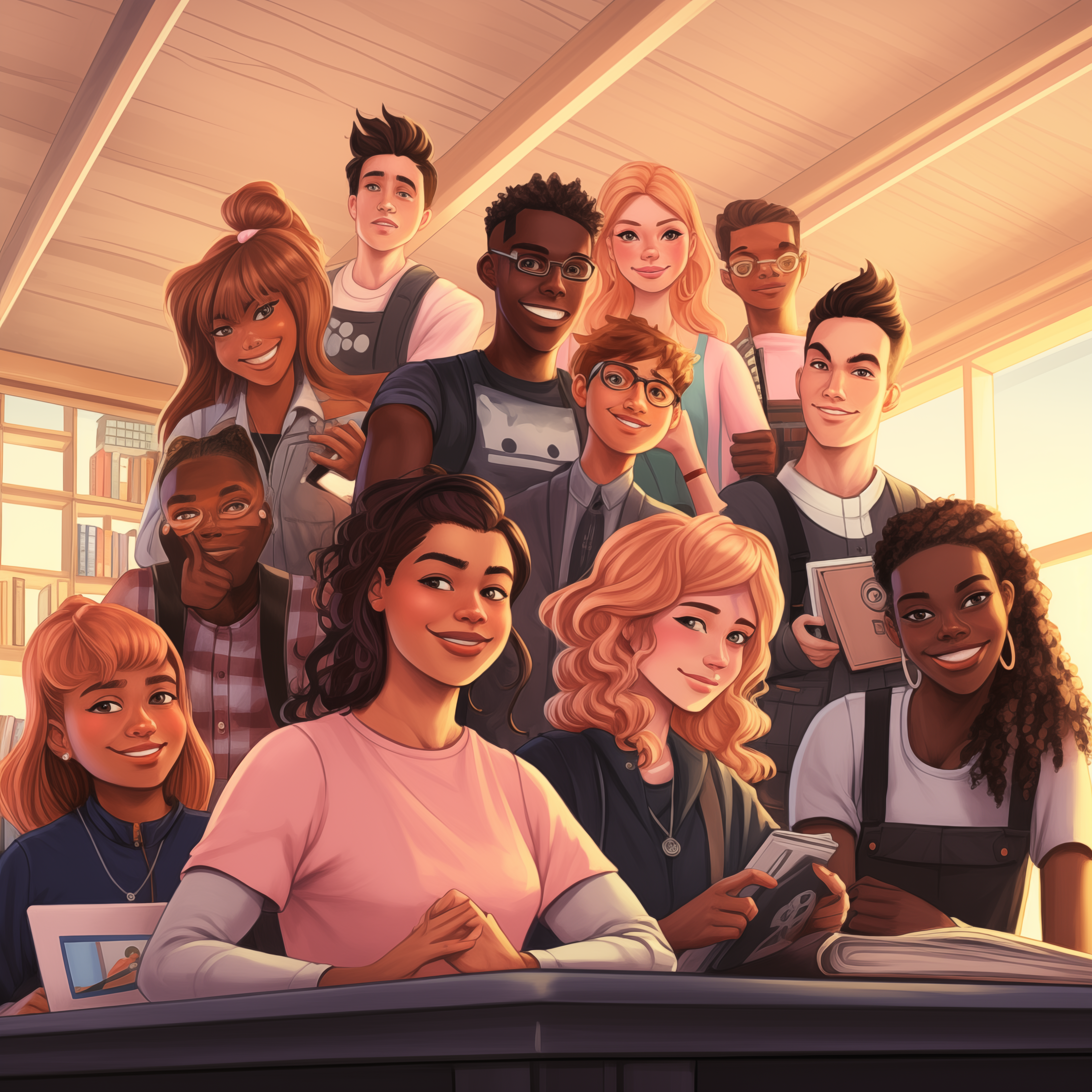
Engaging students means connecting lessons to their lives. Real-world relevance makes learning meaningful and memorable. Let’s explore how to bring the world into your classroom.
Cross-Curricular Tasks and Projects
Integrate subjects to show students the interconnectedness of knowledge. A history lesson can incorporate maths by analysing historical data. This approach enriches understanding and provides a holistic view of learning.
Project-based tasks that span multiple subjects can engage students on various levels. This integration helps them see how different disciplines interact in the real world. Cross-curricular projects also foster teamwork and communication.
Consider a project where students create a business plan. This task involves writing, maths, and arts, providing a comprehensive learning experience. The outcome? Students gain valuable skills applicable beyond the classroom.
Authentic Assessment Approaches
Traditional testing methods often miss the mark. Authentic assessment evaluates students’ ability to apply knowledge creatively. This approach gives a more accurate measure of their understanding.
Use portfolios to collect evidence of learning over time. Portfolios allow students to showcase their work, reflecting growth and creativity. They offer a broader picture than a single test score.
Encourage presentations and projects as part of assessments. These methods help students develop essential skills like public speaking and problem-solving. For more insights on authentic assessment, explore this resource on deeper learning.
Connecting Learning to Wellbeing 🌍
Linking learning to wellbeing can enhance student engagement. When students see the impact of their education on their lives, they become more motivated. Encourage projects that address community issues.
Implement activities that promote mindfulness and emotional health. Simple practices like reflection journals can help students manage stress and build resilience. These activities show students the importance of balancing academic and personal growth.
Consider incorporating themes of global citizenship in your lessons. Discuss topics like sustainability and social justice. These discussions foster empathy and a sense of responsibility, preparing students for global challenges.
Deeper Learning Techniques
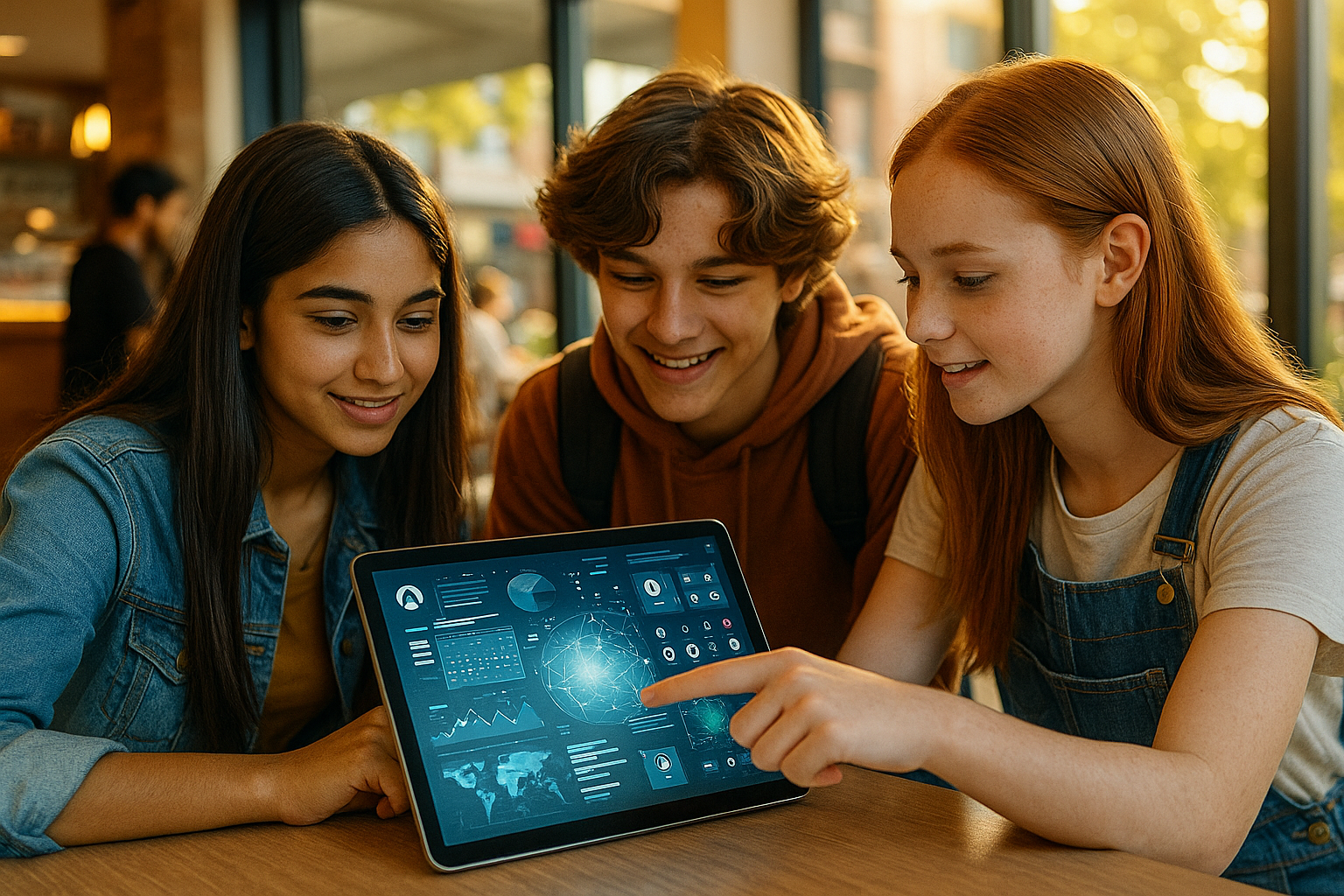
Ready to dive deeper? Deeper learning equips students with skills for the future. Let’s explore methods that push beyond surface understanding.
Higher-Order Thinking Skills (HOTS)
Developing higher-order thinking skills is crucial for future success. Encourage students to analyse, evaluate, and create. These skills go beyond memorisation, preparing them for complex problem-solving.
Use Bloom’s Taxonomy as a guide to create questions and activities. Questions that require analysis and synthesis deepen understanding. This technique challenges students to think critically and creatively.
Incorporate debates and discussions to promote critical thinking. These activities encourage students to consider different perspectives and build argumentation skills. Want to delve deeper into HOTS strategies? Visit Teach for Tomorrow’s HOTS course for more resources.
Engaging Metacognition Routines
Metacognition—thinking about thinking—helps students become self-aware learners. Start by encouraging students to reflect on their learning processes. This reflection can lead to improved strategies and outcomes.
Use think-alouds to model metacognitive strategies. As you solve a problem, verbalise your thought process. This modelling helps students understand how to approach tasks systematically.
Incorporate regular self-assessment to promote metacognition. When students evaluate their performance, they gain insights into their strengths and areas needing improvement. This self-awareness fosters lifelong learning habits.
Project-Based Learning (PBL) Opportunities 📚
Project-based learning turns classrooms into dynamic learning environments. Students tackle real-world challenges, developing practical skills. PBL encourages collaboration, creativity, and communication.
Start with a driving question that sparks curiosity. This question should relate to real-world issues students care about. The project culminates in a presentation, where students share their solutions.
Provide students with the freedom to explore and experiment. This autonomy fosters innovation and ownership of learning. Curious about integrating PBL in your classroom? Explore these future-focused success strategies for guidance.
In conclusion, future-focused teaching can transform your classroom into a vibrant community of learners. By building student agency, connecting lessons to the real world, and promoting deeper learning, you prepare your students for the challenges of tomorrow. Embrace these strategies and watch your students thrive.
