


 Paul Slowey
9 Future‑Focused Teaching Strategies for Secondary (High) Schools
Forget the old checklist of teaching tricks that barely hold students’ attention. You know your students need more than just facts—they need skills that prepare them for what’s next. These 9 future-focused teaching strategies offer clear, practical steps to build student agency, nurture higher-order thinking skills, and bring real-world learning into your classroom. Ready to reimagine your classroom and make tomorrow’s learning happen today? Explore more here.
Empowering Student Agency

Helping students take control of their learning is a vital step in preparing them for the future. By encouraging independent learning and fostering their voices, you build a classroom that thrives on engagement and innovation.
Encouraging Independent Learning
Imagine a classroom where students take charge of their own learning journeys. They become explorers, delving into topics that ignite their curiosity. You might start by setting small research projects. Encourage students to choose a subject they are passionate about. For example, let them pick a historical event or a scientific principle. They can then explore these topics through the resources you provide or those they discover themselves. This builds a sense of ownership and deepens their understanding.
Independent learning also involves reflecting on what they have learned. Have students keep journals where they write about their progress. Ask questions like, “What surprised you today?” or “How did you overcome a challenge?” This reflection nurtures their ability to think critically about their learning process.
Fostering Student Voice
A powerful classroom embraces student voices. Start by holding regular discussions where every student has a chance to speak. Pose open-ended questions related to current lessons. For instance, in a literature class, ask, “How does this character’s journey relate to our lives today?” This invites diverse perspectives, encouraging students to listen and respond thoughtfully.
You can also create platforms for students to share their ideas with a broader audience. Organise a classroom blog or a podcast where students can publish their thoughts and projects. This not only enhances their communication skills but also instills confidence as they realise that their ideas matter.
Higher-Order Thinking Skills
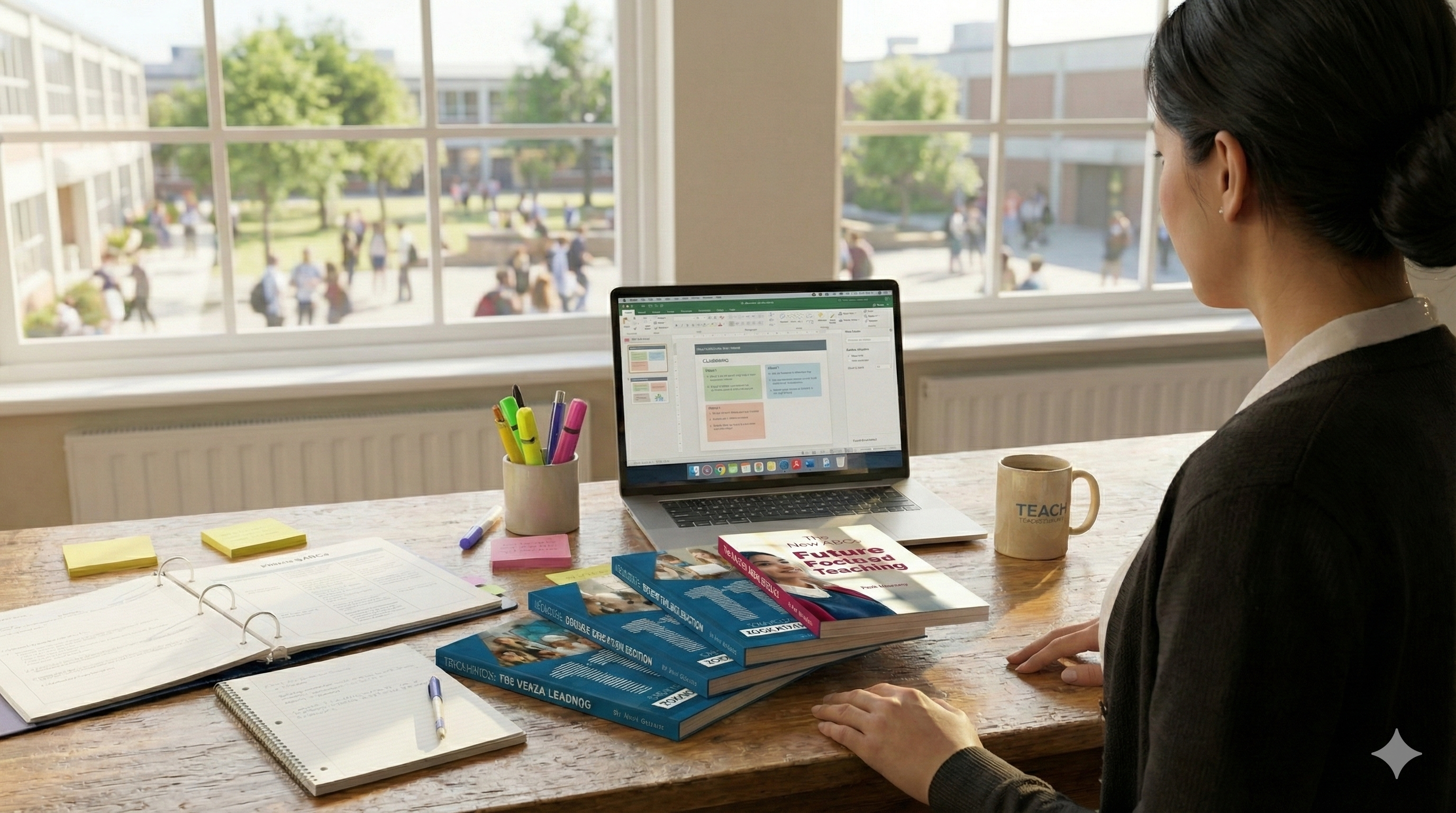
As you move towards developing higher-order thinking skills in your students, you’ll see them grow into critical thinkers and problem solvers. These abilities are crucial in understanding the world around them.
Promoting Critical Analysis
Teaching students to think critically involves guiding them to question and evaluate information. Start with simple exercises like comparing two different sources on the same topic. Encourage students to identify biases and analyse the credibility of each source. This skill is essential in an age where information is abundant and often misleading.
Introduce critical analysis through group activities. Divide the class into small teams and assign each a topic. Have them present their findings, focusing on the evidence and reasoning behind their conclusions. This promotes teamwork and helps students learn to construct and defend their arguments.
Engaging with Complex Problems
When students tackle complex problems, they learn to apply their knowledge creatively. Consider introducing project-based learning. For example, task your students with designing a sustainable city. They’ll need to integrate concepts from science, geography, and social studies, applying their learning to real-world scenarios.
Another effective method is through simulations or role-playing activities. Create scenarios related to current events or historical situations. Assign students roles, and let them navigate challenges and propose solutions. This hands-on experience reinforces their understanding and nurtures problem-solving skills.
Wellbeing in Schools
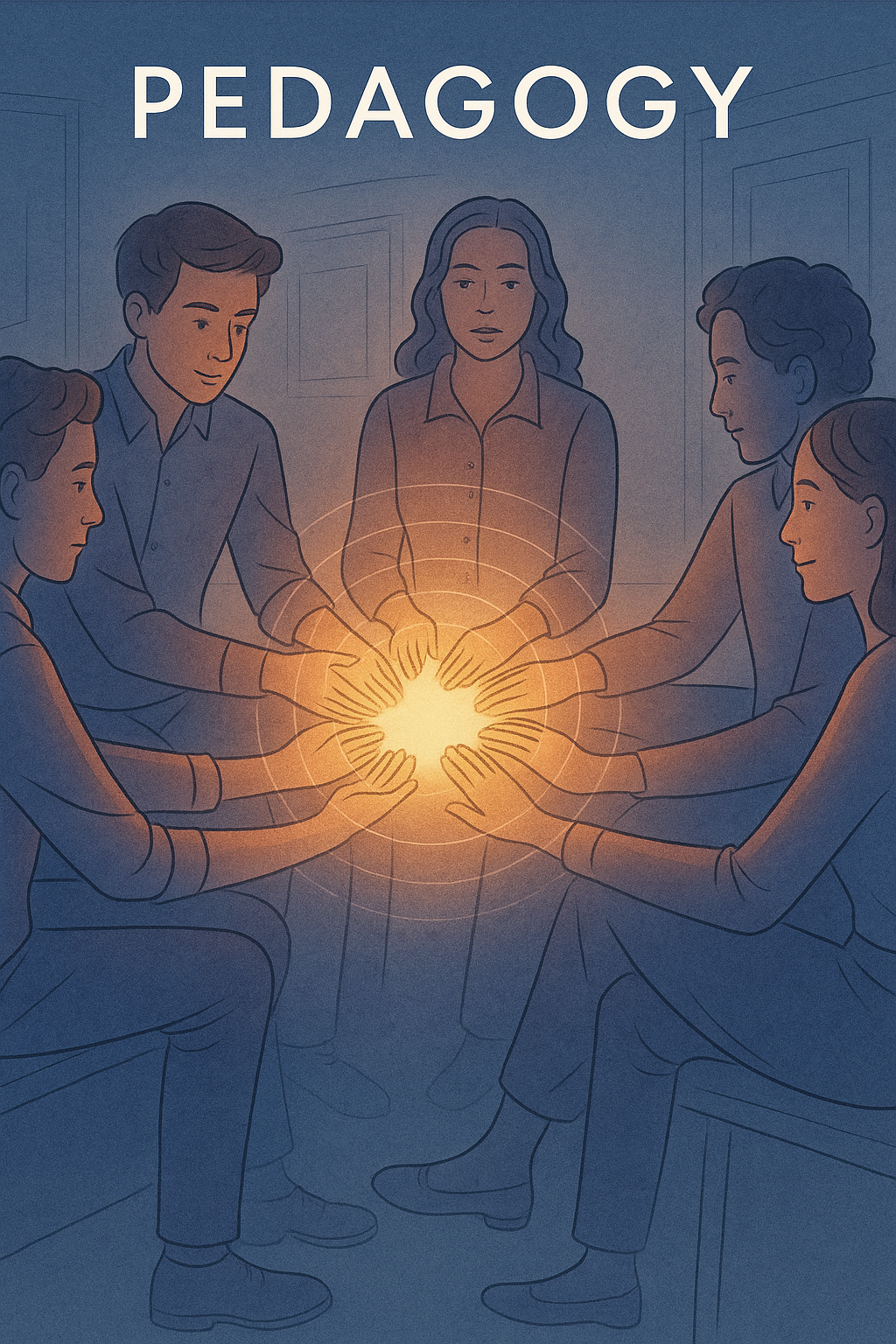
Focusing on student wellbeing creates a nurturing environment that supports learning and personal growth. By caring for their emotional health and building a supportive community, you ensure that students are ready to learn and succeed.
Nurturing Emotional Health
Students thrive when they feel emotionally supported. Introduce activities that build emotional awareness, such as mindfulness exercises. Encourage students to practice deep breathing or guided meditations at the start of class. This helps them settle into a learning mindset and reduces stress.
Create an open-door policy for students to discuss their feelings or challenges. Regular check-ins can help you identify those who may need extra support. Building a safe space for sharing emotions promotes trust and opens pathways for deeper learning.
Building a Supportive Environment
A classroom that feels like a community encourages students to support one another. Foster this by organising group activities that require teamwork. You might have students work together on classroom projects or community service initiatives. They learn to rely on each other and develop empathy and collaboration skills.
Celebrate successes, both big and small. Recognise achievements with awards or simple acknowledgments in front of the class. Positive reinforcement boosts morale and builds a sense of belonging among students. This supportive environment lays the foundation for lifelong learning and personal growth.
🌟📚
