


 Paul Slowey
Future-Focused Secondary Teaching: Practical Moves to Build Agency, Relevance and Deeper Learning
Most secondary classrooms still rely on yesterday’s teaching methods, leaving students disconnected and disengaged. You want strategies that spark real student agency and bring lessons to life with real-world relevance. This post shares practical future-focused teaching moves that build deeper learning and meet the demands of Key Stage 3 through A level. Take the next step: explore the 9 Steps to a Future-Focused Classroom course, grab the New ABCs (Second Edition) for your department, and subscribe to our YouTube channel for weekly, ready-to-use ideas. For more insights, consider reading this article on facilitating deeper learning.
Building Student Agency

Let’s begin with empowering students to take charge of their learning. Building agency is the key to cultivating lifelong learners who thrive on curiosity and creativity.
Strategies for Learner Autonomy
Imagine a classroom where students drive their learning journey. You can make this a reality by implementing learner autonomy strategies. Start by giving students choices in their assignments or projects. This choice fosters ownership and responsibility.
Encourage students to set personal learning goals. When they set goals, they become more invested in achieving them. Offer guidance on how to monitor their progress and reflect on their experiences. This helps build their confidence and self-awareness. You might find that even shy students start to speak up more.
Finally, integrate technology that supports independent learning, like educational apps that encourage self-paced study. These tools can empower students to explore topics they are passionate about, further enhancing their autonomy.
Metacognition in the Classroom
Next, let’s explore metacognition: the ability to think about one’s own thinking. Teaching students to be aware of their cognitive processes boosts their learning efficiency. Begin by having students reflect on their learning strategies. Ask questions like: “What worked well?” or “What could you do differently next time?”
You can also model metacognitive strategies by thinking aloud during lessons. Show students how to approach a complex problem step-by-step. This practice helps them develop self-regulation skills.
Incorporate regular check-ins where students assess their progress and adjust their strategies. These reflections encourage a growth mindset, where students see challenges as opportunities to learn and improve.
Oracy and Dialogue Skills
Communication is vital in every aspect of life. By focusing on oracy and dialogue skills, you prepare students for effective interactions in the real world. Start with simple group discussions to build confidence. Encourage students to express their ideas and listen actively to others.
Introduce structured debate formats, where students learn to construct arguments and consider opposing viewpoints. This improves critical thinking and empathy.
Regular practice with dialogue skills will enable students to articulate their thoughts clearly and collaborate effectively. These skills are essential for their future success, both academically and in their personal lives.
Enhancing Real-World Relevance
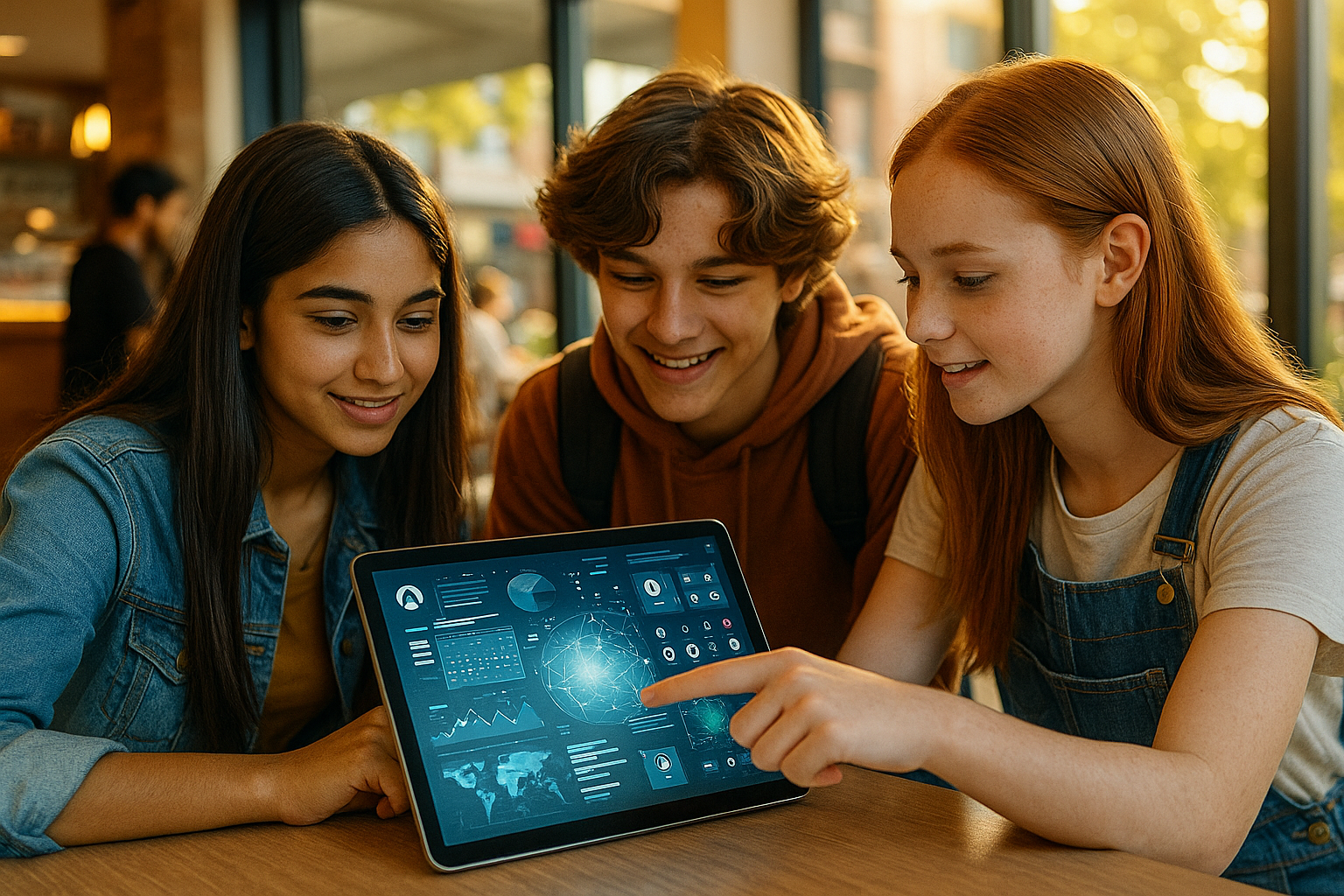
Now, let’s connect classroom learning to the real world. Making lessons relevant to students’ lives increases engagement and motivation.
Curriculum Design for Relevance
Designing a curriculum with real-world connections makes learning meaningful. Start by incorporating current events into your lessons. Discussing real issues helps students see the relevance of their studies.
Collaborate with local businesses or organisations to create projects with practical applications. Students might, for example, work on a community garden, applying biology principles.
By aligning the curriculum with real-world experiences, students develop skills that are directly applicable beyond the classroom. This approach prepares them for future challenges in a rapidly changing world.
Project-Based Learning (PBL)
Project-Based Learning (PBL) is a powerful way to make education relevant. It immerses students in real-world challenges and encourages deep exploration. Begin with a driving question that sparks curiosity. This question should be open-ended and connected to real-life issues.
Students then engage in research, collaboration, and problem-solving to create a final product. Throughout the process, they develop critical skills like teamwork and communication.
PBL not only enhances understanding of content but also fosters a love for learning. By working on projects that matter, students see the impact of their efforts and gain confidence in their abilities.
Assessment for Learning Techniques
Assessment is not just about testing; it’s a tool for deeper learning. Use formative assessments to guide instruction and provide feedback. These can include quizzes, discussions, and peer reviews.
Encourage students to self-assess their work. This reflection helps them understand their strengths and areas for improvement.
Consider using portfolios to track progress over time. Portfolios allow students to showcase their best work and reflect on their learning journey. This continuous assessment approach focuses on growth and mastery, not just final grades.
Fostering Deeper Learning
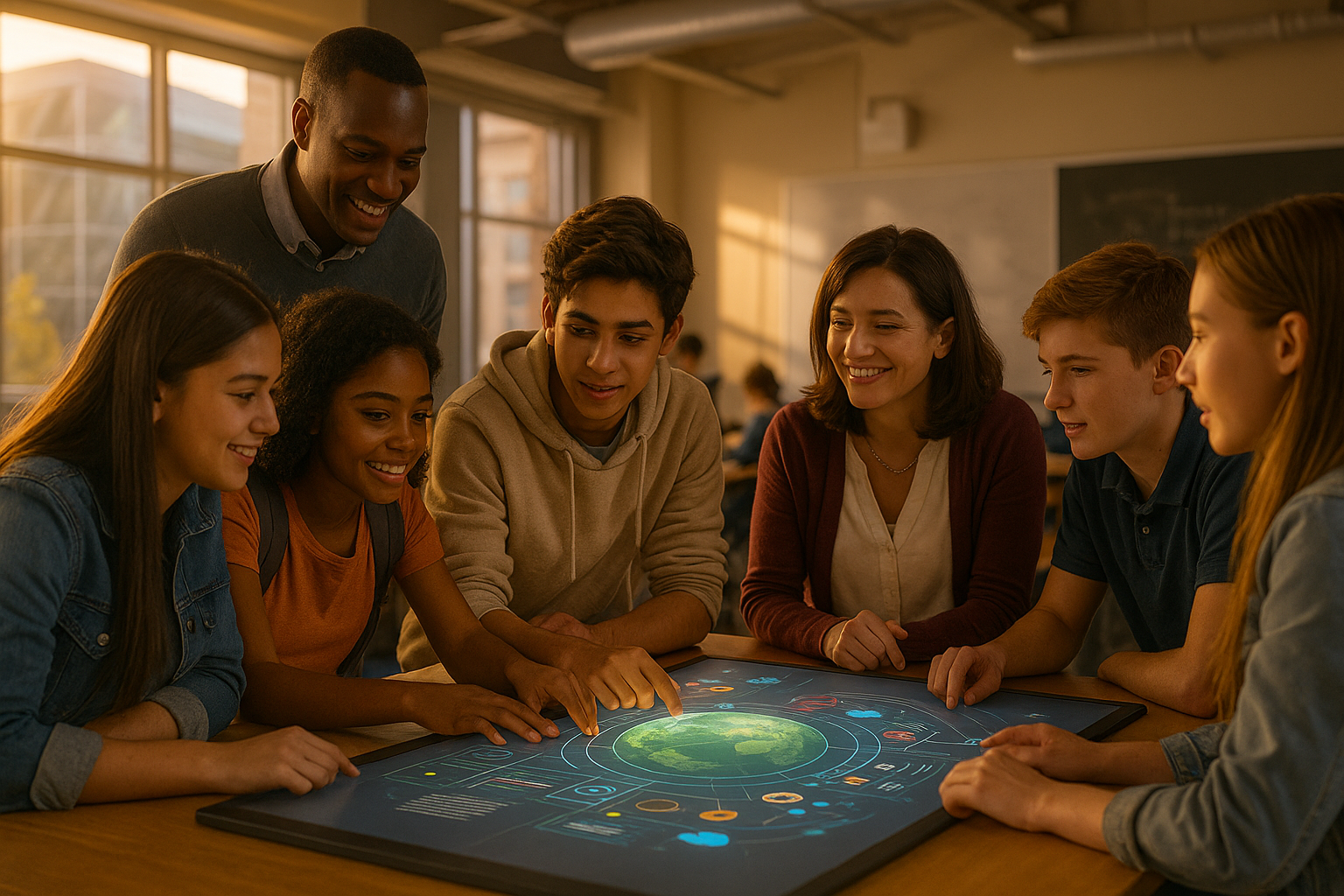
Let’s dive into strategies that go beyond surface-level understanding. Deeper learning empowers students to think critically and solve complex problems.
Higher Order Thinking Skills (HOTS)
Higher Order Thinking Skills (HOTS) are essential for deeper learning. Encourage students to analyse, evaluate, and create. Use open-ended questions that challenge them to go beyond memorisation.
Incorporate activities like Socratic seminars, where students discuss and debate ideas. This fosters critical thinking and the ability to see multiple perspectives.
By emphasising HOTS, you prepare students for the demands of the modern world. They’ll be ready to tackle complex problems with confidence and creativity.
GCSE and A Level Teaching Ideas
For those teaching GCSE and A Level students, focusing on deeper learning is crucial. Integrate interdisciplinary projects that connect different subjects. For example, combine science and art to explore the impact of climate change.
Use case studies to apply theoretical concepts to real-world scenarios. This practical approach helps students see the relevance of their studies.
By using innovative teaching ideas, you keep students engaged and motivated, ensuring they are well-prepared for their exams and future endeavours.
Wellbeing in Schools
Wellbeing is a critical component of successful learning. Create a supportive environment where students feel safe and valued. Encourage open conversations about mental health and stress management.
Incorporate mindfulness practices into your daily routine. Simple activities like deep breathing exercises can help students focus and reduce anxiety.
Prioritising wellbeing ensures that students are ready to learn and thrive. A happy, healthy student is more likely to engage deeply with their education.
In summary, by implementing these strategies, you’re setting the stage for a future-focused classroom. Empower your students with agency, connect their learning to the real world, and foster deeper understanding. These steps will prepare them not only for exams but for life beyond school.
