


 Paul Slowey
How to create a human‑centred classroom that supports wellbeing and rigour
Forget the old idea that wellbeing and rigour can’t coexist in your classroom. You’ve seen the struggle: keeping students engaged while pushing for deep, meaningful learning feels like walking a tightrope. This guide lays out a clear, practical path to build a human-centred classroom where wellbeing thrives alongside academic rigour, using proven frameworks from Teach for Tomorrow. Choose one strategy to try this week and start shaping a future-focused teaching practice that truly works. For more insights, visit this resource.
Building a Human-Centred Classroom
Nurturing Wellbeing in Schools
Balancing student wellbeing with learning goals can feel challenging, but it’s essential. When students feel safe and valued, they thrive. This section explores how to nurture that environment.
Elevating Academic Rigour
While supporting wellbeing is key, maintaining a strong academic focus is just as crucial. You can encourage students to reach higher while ensuring they’re supported. Let’s explore how this dual focus can be achieved without compromise.
Creating Classroom Culture
Classroom culture is the heartbeat of your teaching environment. It shapes how students interact and engage. A positive culture encourages both wellbeing and academic success. Learn how to foster this supportive atmosphere.
Practical Teaching Frameworks
New ABCs for Future-Focused Teaching
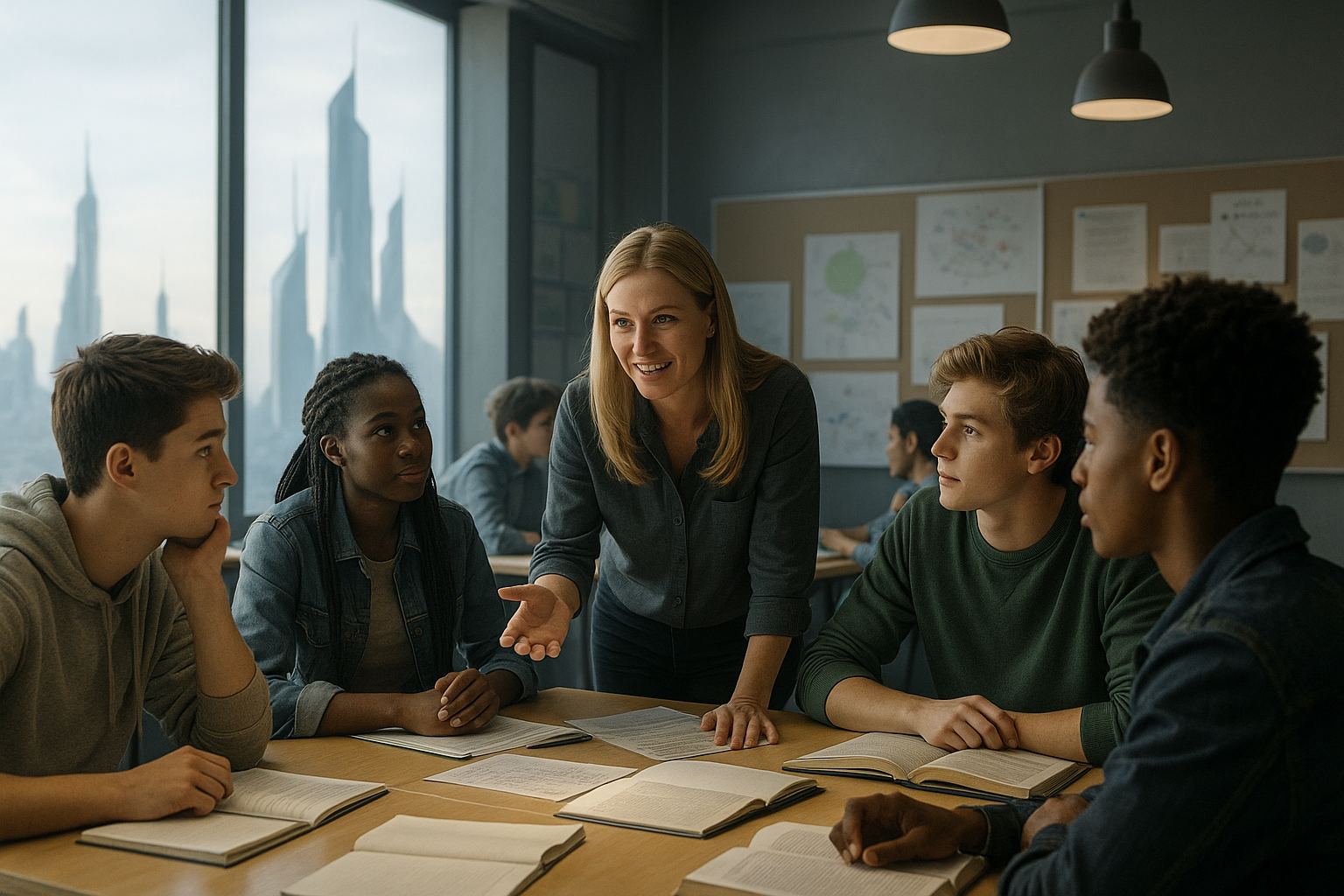
Future-focused teaching isn’t just about new tech or trends. It’s about preparing students for the world beyond school. The New ABCs provide a simple, actionable guide to do just that. Start with small changes that have a big impact. Encourage students to question, explore, and innovate. These steps are not just about knowledge, but also about developing skills they need for life.
Implementing HOTS Strategies
Higher-order thinking skills (HOTS) are essential for deep learning. They go beyond rote memorisation, encouraging students to analyse, evaluate, and create. By incorporating HOTS into everyday lessons, you open doors to deeper understanding and creativity. Encourage your students to question assumptions and think critically. This isn’t just about getting the right answer; it’s about understanding the process.
Co-Created Norms and Student Agency
When students help shape their learning environment, they feel more invested. Co-created norms allow students to take ownership of their classroom. This builds agency and responsibility. Start small by involving students in setting class rules. As they see the impact of their contributions, their confidence and engagement grow. This also enhances the sense of community within the classroom.
Engaging and Purpose-Driven Learning
Project-Based Enquiry and Rigorous Inquiry Tasks
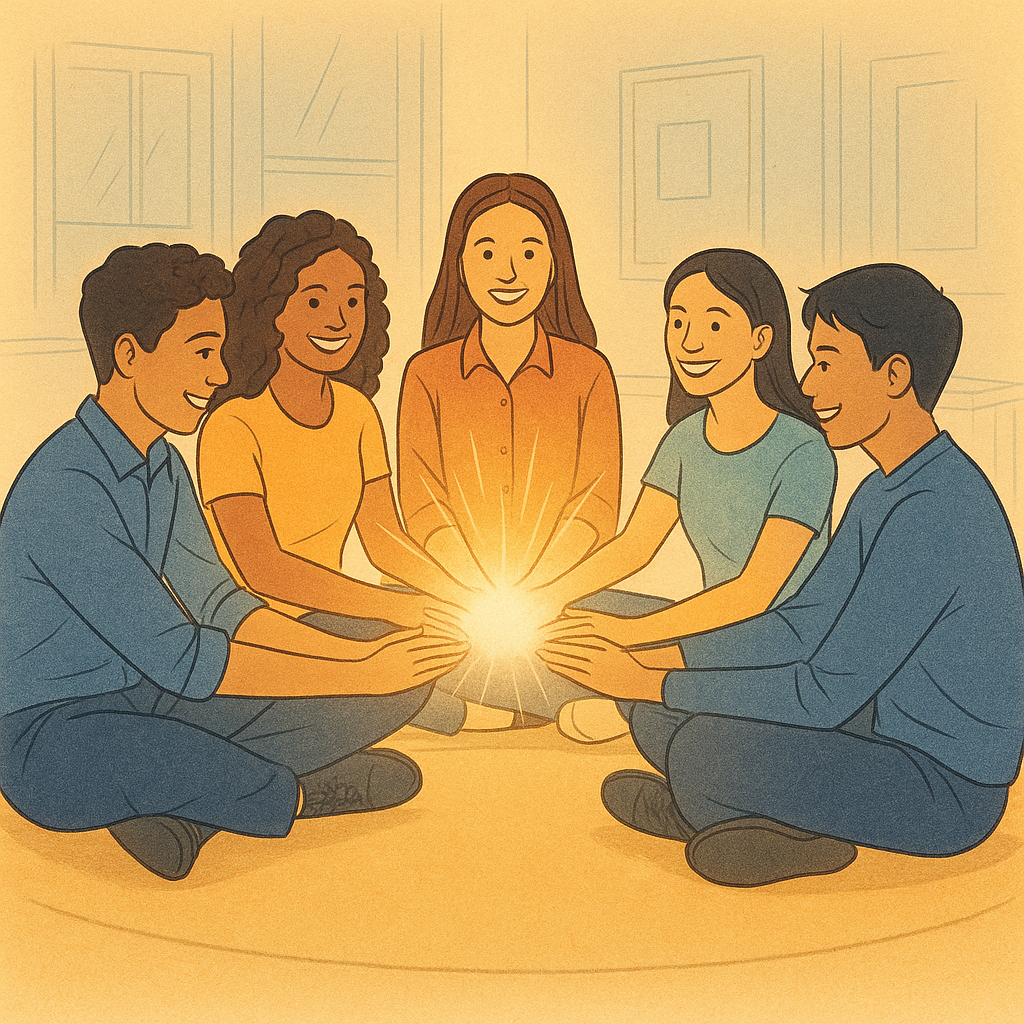
Project-based learning (PBL) encourages students to tackle real-world problems. It’s hands-on and engaging, making learning relevant. Introduce inquiry tasks that challenge students to explore and investigate. These tasks promote critical thinking and problem-solving, essential skills for future success. In PBL, students learn by doing, which cements their understanding.
Voice and Choice: Belonging in the Classroom
Giving students a voice in their learning fosters a sense of belonging. When students choose how to present their knowledge, they feel more connected to their work. This approach nurtures creativity and personal growth. It also respects diverse learning styles and preferences. Encourage students to express their understanding in ways that resonate with them.
Formative Assessment for Growth and Creativity
Formative assessment is about feedback and growth, not just grades. It’s a tool to guide learning and encourage creativity. By focusing on progress, you help students see their potential. Use regular check-ins and feedback to support their journey. This approach builds resilience and a growth mindset, key components of lifelong learning.
By integrating these practices, you create a human-centred classroom where wellbeing and academic rigour coexist. This balance prepares students for the challenges and opportunities of the future.
