


 Paul Slowey
From Curriculum to Contribution: 8 Practical Moves for Real‑World Learning
Most curriculum plans stop at theory, leaving teachers scrambling to connect lessons with real impact. You want your students to step beyond the classroom and contribute meaningfully to their communities. This post lays out eight practical moves that link curriculum to community through real‑world learning, boosting student agency and creativity without piling on your workload. Ready to build lessons that truly matter?
Practical Classroom Strategies for Real-World Learning
Connecting Curriculum to Community
Building a bridge from classroom lessons to community impact is not just ideal; it’s essential. Doing so helps students see the relevance of their learning and fosters a sense of purpose. Imagine lessons that inspire students to engage with their communities and apply their knowledge in meaningful ways.
Boosting Student Agency and Creativity
Giving students control over their learning can transform their educational journey. Allow them to choose projects that interest them and align with real-world issues. This not only boosts creativity but also empowers them to take ownership of their education. When students feel they have a say, engagement naturally increases.
Think about a time when you felt truly passionate about a project. It probably made you more invested in the outcome. The same goes for your students. Encourage them to explore topics that matter to them, and watch as their enthusiasm and commitment grow. They’ll not only learn academic skills but also develop a sense of responsibility and problem-solving.
Enquiry-Based Learning in Action
Curiosity is a powerful motivator. Encourage students to ask questions and explore different paths to find answers. This type of learning transforms the classroom into a dynamic environment where students drive their own discovery process.
To start, present a real-world problem and ask students to find solutions. Guide them by providing resources and support, but let them lead. This approach not only enhances critical thinking but also helps students understand the importance of perseverance and collaboration.
Project-Based Learning UK: Making a Difference
When students engage in projects that matter, they gain skills that extend beyond textbooks. This section focuses on how these projects can make a real difference in their communities.
Authentic Assessment Techniques
Assessments should reflect real-world applications, not just rote memorisation. By using authentic assessments, you can gauge students’ understanding in ways that traditional tests might miss. Consider portfolios, presentations, or community-based projects as ways to measure student success.
Authentic assessment is about showing what students can do, not just what they know. For instance, creating a community newsletter can show writing, research, and communication skills. These projects provide tangible outcomes that students can be proud of and that demonstrate their learning to others.
Interdisciplinary Projects for Higher-Order Thinking Skills
Combining subjects in one project encourages students to think critically and see connections between disciplines. For example, a project on environmental sustainability might include science, geography, and art.
When students see how subjects intersect, they understand the broader context of their studies. This approach develops their ability to think critically and creatively. It prepares them for real-world challenges where solutions require knowledge from various fields.
Community Partnerships in Schools
Forming partnerships with local organisations can enrich the learning experience. Collaborations with businesses, non-profits, or local government can provide students with insights and opportunities that are unavailable in the classroom.
These partnerships can lead to internships, mentorships, or guest speakers. They help students apply their learning in real-world contexts and foster a sense of community responsibility. By connecting with external partners, students see the impact of their work and gain confidence in their abilities.
Future-Focused Teaching for Wellbeing
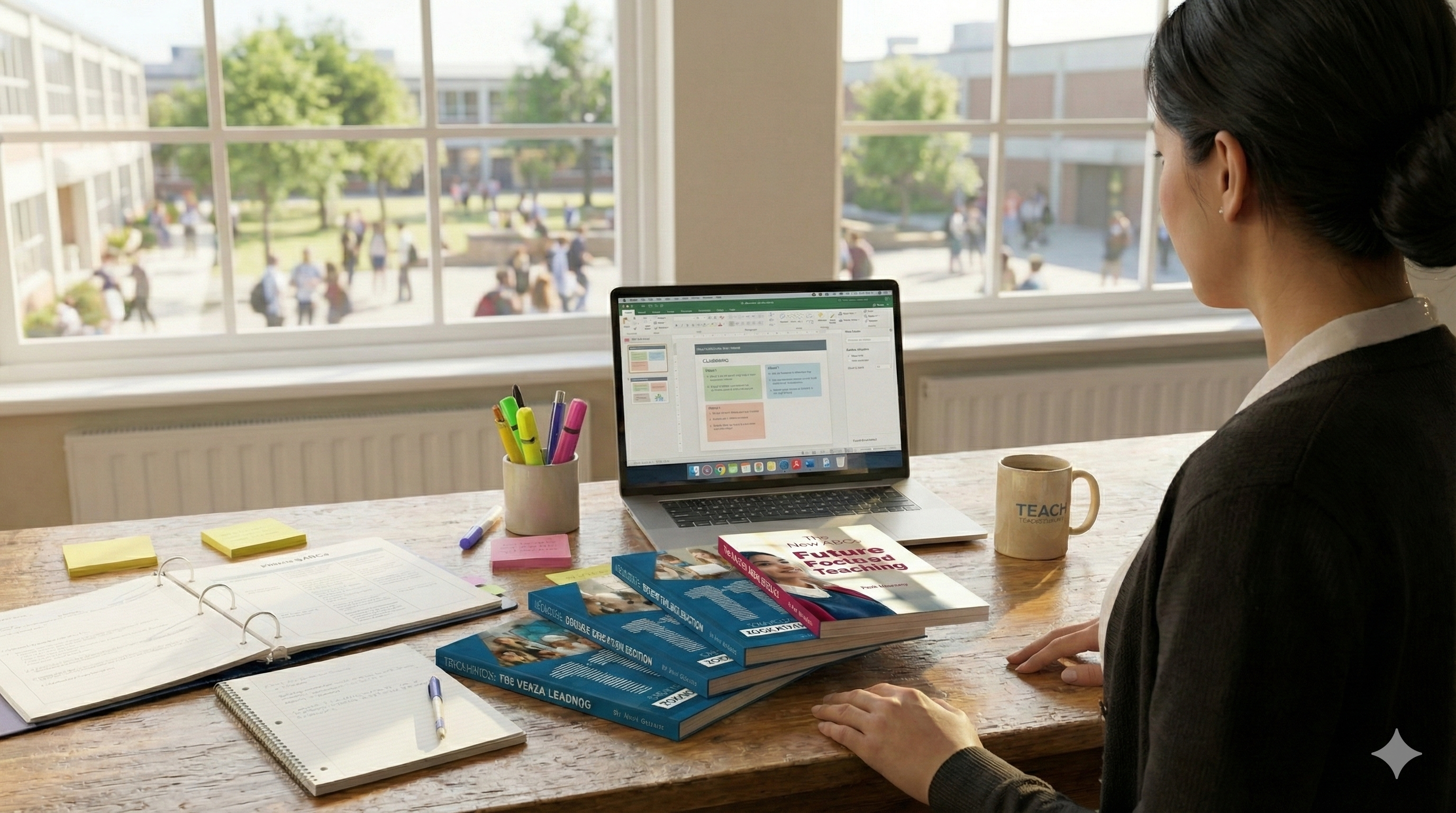
Preparing students for the future means focusing on their wellbeing as much as their academic success. This section explores how future-focused teaching supports student health and happiness.
Sustainable Development Goals in the Classroom
Integrating sustainable development goals into your curriculum can make learning more relevant and meaningful. By tackling global challenges, students learn about responsibility and the importance of contributing to the greater good.
Introduce projects that focus on these goals, like reducing waste or promoting clean energy. These topics not only align with curriculum standards but also inspire students to take action. They’ll learn how their efforts can lead to positive change in their communities and beyond.
Careers Education Links and Employer Engagement
Linking classroom learning with career opportunities helps students see the practical applications of their studies. Engaging with employers can provide insights into various career paths and help students understand what skills are necessary.
Invite local professionals to speak about their careers or organise visits to workplaces. These experiences can spark interest in different fields and motivate students to pursue further education or training. With a clearer picture of potential careers, students can make informed decisions about their futures.
Teaching for Contribution: A Supportive Approach
Fostering a classroom environment where students feel supported encourages them to contribute their ideas and efforts. Teaching for contribution means highlighting the importance of each student’s voice and ensuring they understand the value they bring to group work and discussions.
Encourage students to share their thoughts and collaborate on projects that matter to them. This approach builds a sense of belonging and community within the classroom. When students feel valued, they are more likely to engage and invest in their learning.
By implementing these strategies, you’ll not only enhance your teaching but also equip your students with the skills they need to thrive in the real world. 🌟📚💡
For more resources and ideas on integrating real-world learning into your curriculum, explore these helpful links:
