


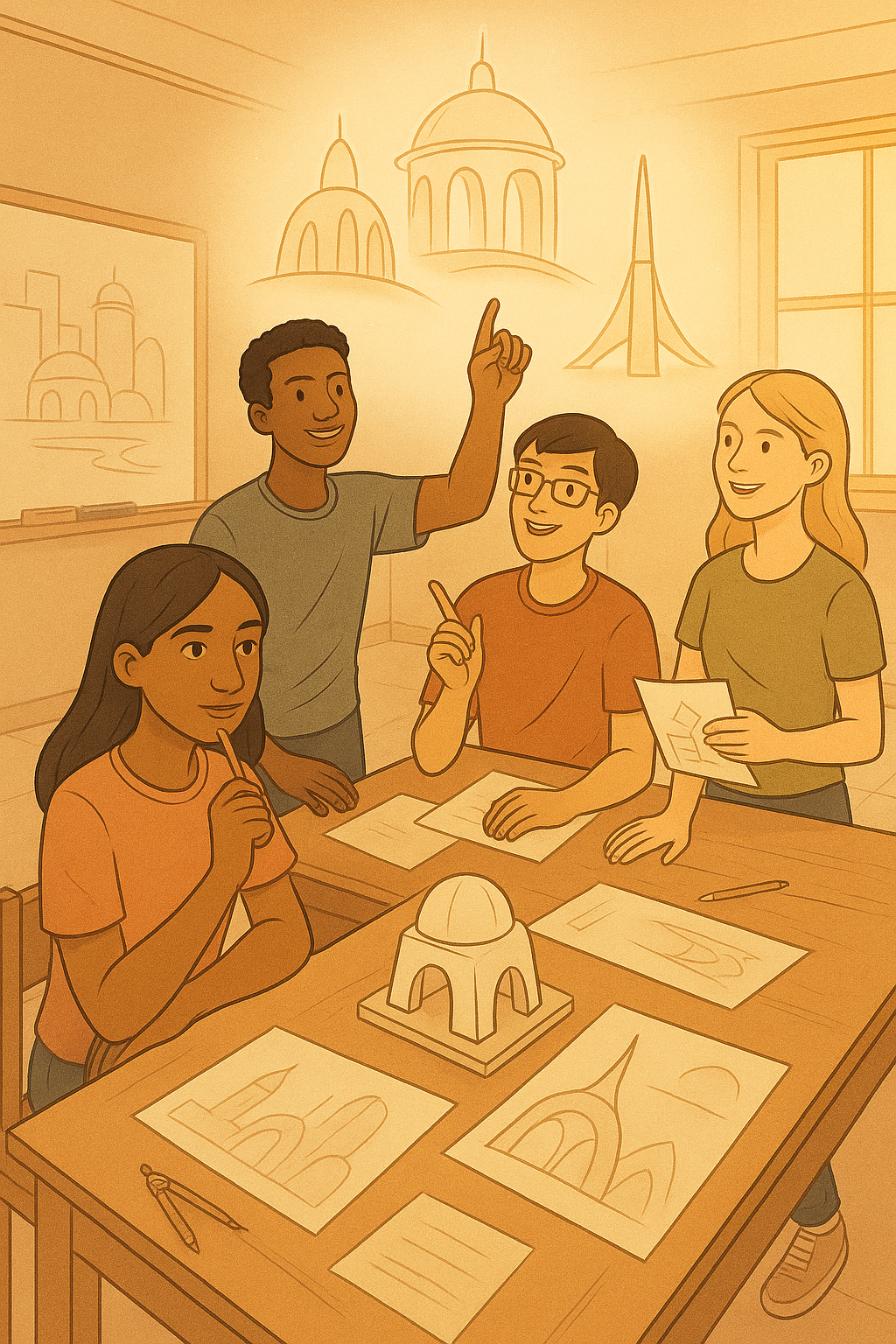
From Compliance to Curiosity: How Project‑Based Learning Boosts Student Engagement
Project-based learning boosts student engagement by shifting from passive compliance to active curiosity, fostering real-world connections, student agency, collaboration, and critical thinking.
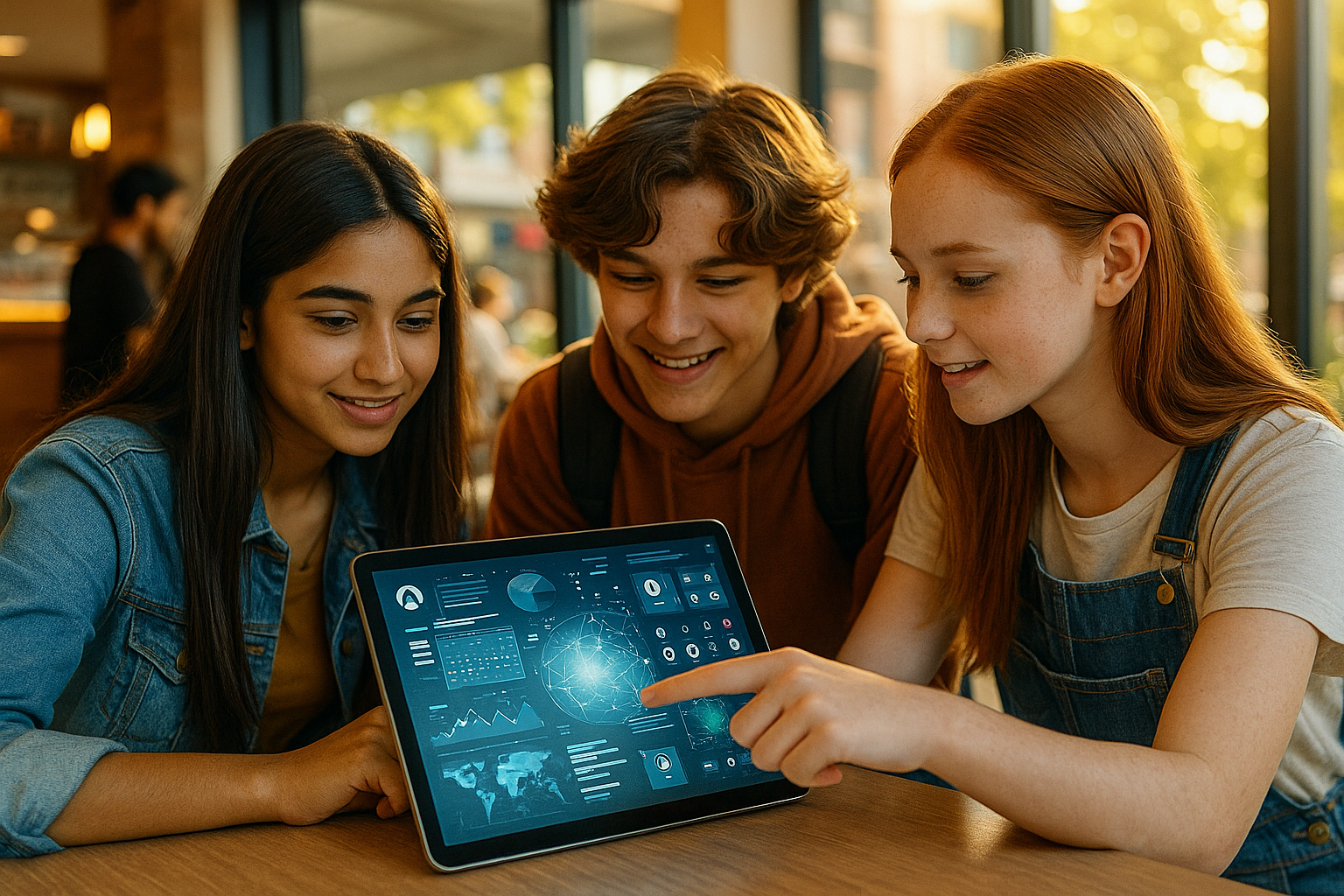
Personalised Learning That Works: Practical Pathways for Diverse Learners
This guide outlines practical strategies for personalised learning, boosting student agency, wellbeing, UDL, differentiation, learner profiles, formative assessment, and mastery to create inclusive, future-focused classrooms.
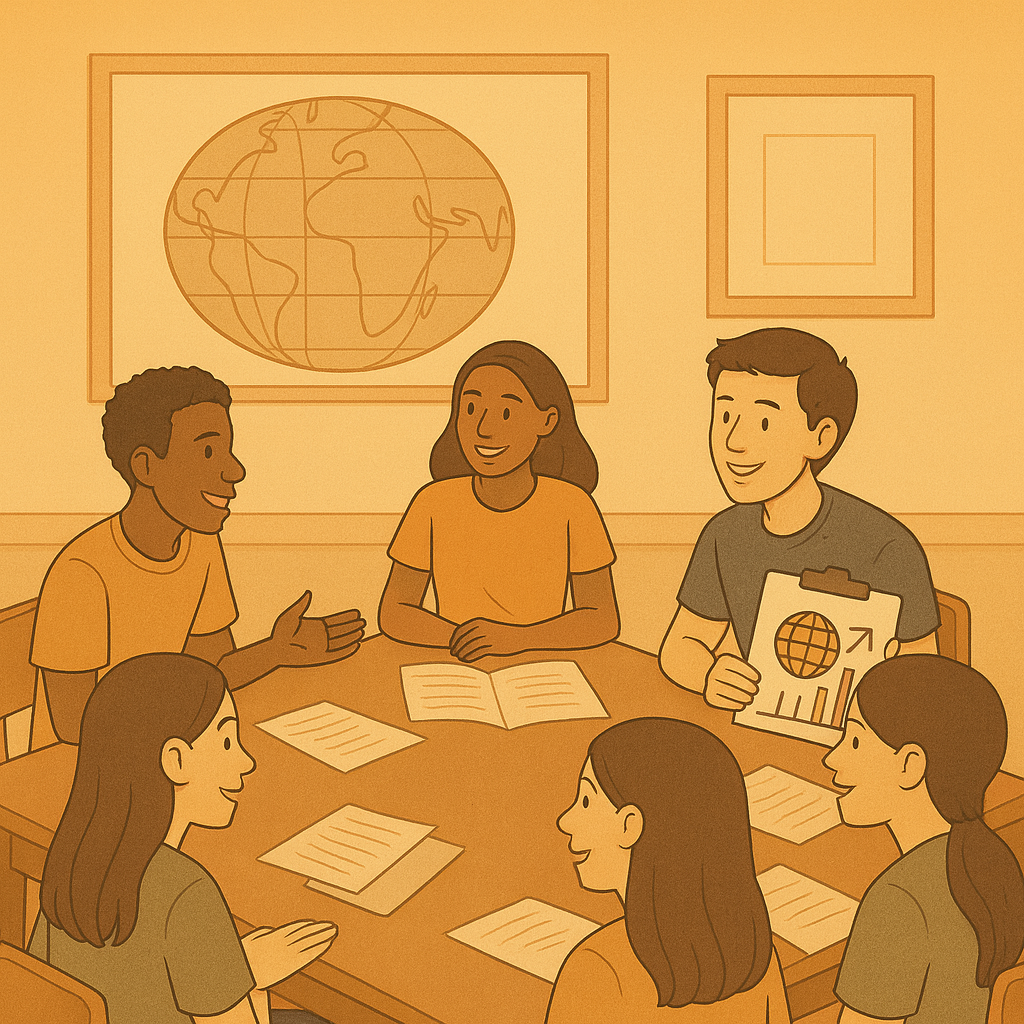
Ethics in Action: Practical Ways to Embed Ethical Decision‑Making in Secondary Classrooms
Embed ethical decision-making in secondary classrooms by integrating values across subjects, using practical protocols like case studies and role-play, fostering dialogue, real-world dilemmas, critical thinking, and student agency.
Future‑Focused Teaching Strategies for Secondary (High School) Educators
Future-focused teaching for secondary educators emphasizes student agency, creativity, real-world skills, and higher-order thinking, guided by the New ABCs and 9 Steps framework to enhance engagement and learning.
Making SEL Work in Secondary: Practical Ways to Embed Social and Emotional Learning Across the Timetable
This guide offers practical ways to embed SEL in secondary education by integrating it into lessons, routines, assessments, and promoting student agency, wellbeing, and future-focused teaching.
Student Agency, Sorted: 9 Practical Tools for Modern Classrooms
Nine practical tools—choice boards, learning contracts, co-designed criteria, goal-setting, check-ins, agency rubrics, student-led conferences, peer critiques, and authentic projects—boost student agency, engagement, and real-world learning with minimal extra workload.
9 Future‑Focused Teaching Strategies for Secondary Classrooms
Nine practical future-focused teaching strategies for secondary classrooms emphasize human-centered learning, student agency, creativity, project-based learning, metacognition, higher-order thinking, structured protocols, and continuous teacher development.
Celebrating Culture: Inclusive Teaching Practices for Future‑Focused Classrooms
Inclusive teaching honors cultural diversity by fostering belonging, student agency, and intercultural competence through human-centered methods, diverse resources, decolonized curricula, and collaborative classroom norms.
Resilience and Adaptability: Practical Ways to Help Students Thrive in a Changing World
This document outlines practical classroom strategies to build student resilience and adaptability, emphasizing routines, growth mindset, reflective practice, metacognition, real-world projects, inquiry learning, higher-order thinking, creative problem-solving, and learner autonomy.
Bridging Theory and the Real World with Project‑Based Learning
Project-based learning that links classroom theory with real-life challenges fosters creativity, critical thinking, and student agency. Integrating interdisciplinary projects, authentic assessments, collaboration, and community partnerships prepares students and supports educators for future-focused education.
