


 Paul Slowey
Why the Future of Education is Global and Collaborative: Building Bridges Across Classrooms
The old way of teaching in isolated classrooms won’t prepare students for what’s coming next. You need global education that connects learners across borders and sparks real collaboration. In this post, you’ll see why building global classrooms is key to future-focused teaching—and how collaborative learning shapes confident, capable citizens ready for tomorrow’s challenges. For more insights, visit The Global Forum on the Future of Education and Skills.
Global Education: A New Horizon

The world is shrinking, not in size, but in how connected we are. Global education opens doors to understanding cultures and perspectives, paving the way for enriched learning environments.
Bridging Cultural Divides
Imagine a classroom without borders. When students from different backgrounds come together, they share unique stories. This exchange fosters empathy and broadens horizons. For instance, a student in Japan discussing environmental practices with a peer in Brazil gains firsthand insights. They learn that while their contexts differ, their goals can align. This shared learning experience nurtures respect and understanding, crucial for today’s interconnected world. Explore more on how these interactions matter at Global Education Summit.
Preparing Students for Real-World Challenges
Today’s challenges transcend borders. Students need skills to tackle global issues like climate change, health crises, and technological shifts. When you teach in a global context, you prepare students to think critically and act responsibly. For example, discussing global health can spark innovative solutions from a young mind in India collaborating with a student in Canada. These discussions build problem-solvers ready for real-world challenges. The longer we wait to integrate global perspectives, the more we risk leaving students unprepared for a rapidly changing world.
Collaborative Learning: The Classroom of Tomorrow

Collaboration isn’t just a buzzword—it’s the future of learning. When students work together, they not only learn from each other but also develop invaluable social skills.
Teamwork Across Borders
Teamwork is no longer confined to the same room. With technology, students in different countries can collaborate on projects seamlessly. Picture students in Germany and South Africa tackling a science project together. They not only share scientific knowledge but also cultural insights. This collaboration builds communication skills vital for any career path. According to The Global College, these interactions prepare students for a global workforce where collaboration is key.
Building a Sense of Global Citizenship
When students learn to collaborate globally, they develop a sense of belonging to the world. They understand that their actions impact the planet and its people. This awareness fosters global citizenship, a mindset that values diversity and inclusion. For instance, students creating a community garden across continents learn about sustainable practices and cultural appreciation. These projects teach students to care for their community and the world, making them responsible citizens.
Future-Focused Teaching: The Path Forward
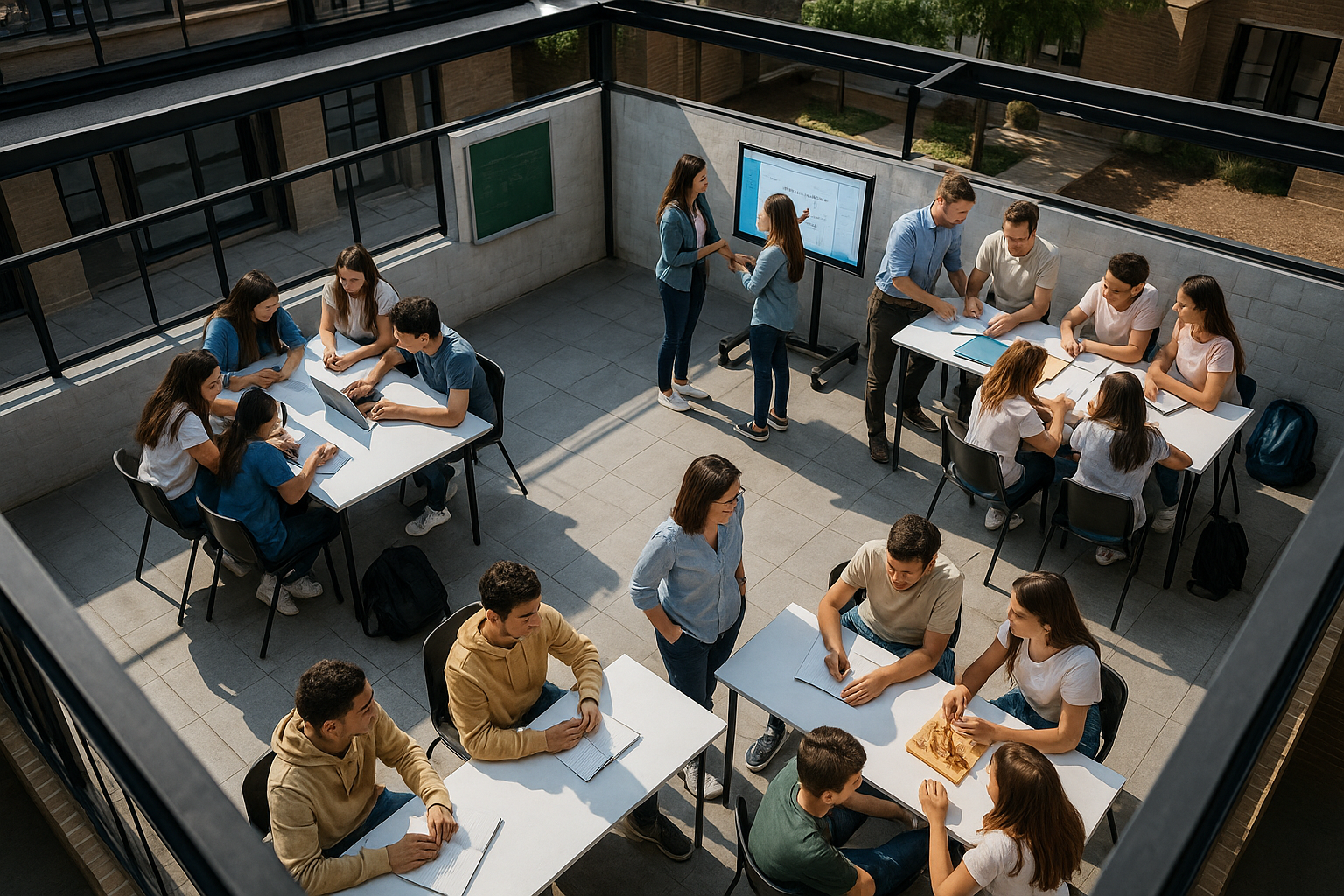
To stay relevant, educators must embrace change. Future-focused teaching equips students with skills for jobs that don’t even exist yet.
Tools for Educational Innovation
Educators have access to numerous tools that revolutionise teaching methods. From virtual reality to interactive apps, these tools make learning engaging and effective. Imagine using VR to explore ancient Egypt with students—it beats reading from a textbook. These innovations make learning exciting and accessible. Discover more at The Evolllution.
Creating Global Classrooms
Creating global classrooms involves more than just technology. It requires a mindset shift in teaching. Encourage students to think globally. Use case studies from different countries to highlight diverse solutions to common problems. For example, discussing renewable energy initiatives worldwide can inspire students to innovate locally. By integrating global perspectives, you create a dynamic learning environment that prepares students for any future.
🌍📚💡
Embracing global education and collaborative learning is not just an option—it’s essential for future-focused teaching. By building bridges across classrooms, we prepare students to tackle tomorrow’s challenges with confidence and compassion. Let’s inspire, innovate, and make a difference together.
