


 Paul Slowey
Revolutionizing Teacher Education: Embrace Modern Strategies for Tomorrow’s Classrooms
Old teaching methods no longer prepare students for today’s challenges. You know that modern teaching strategies demand creativity, agency, and higher-order thinking to shape tomorrow’s classrooms. In this post, you’ll explore practical ways to bring teacher innovation into your practice and build a future-focused education that truly engages your learners. Join the Teach for Tomorrow movement today and explore our resources to transform your teaching strategies! Discover more about these innovative methods here.
Modern Teaching Strategies for Educators
Let’s dive into some modern teaching strategies that are reshaping the way educators approach learning. You, as a dedicated educator, have the opportunity to explore and implement these strategies to make a lasting impact on your students.
Creativity in the 21st-Century Classroom
Creativity is not just an art class exclusive; it’s a vital element across all subjects. Imagine a scenario where students learn about biology by creating a mini-documentary. This approach helps them understand complex concepts in a fun way. By encouraging creative projects, you’ll see students engaged and excited about learning. When creativity becomes a part of your classroom, it fosters a love for learning that goes beyond textbooks.
Consider using storytelling or gamified lessons to transform mundane topics into exciting adventures. This not only makes learning enjoyable but also boosts retention. Students remember what they create, and they’ll cherish these experiences. Encourage them to take creative risks and watch their confidence soar.
Encouraging Student Agency
Empowering students to take charge of their learning journey is transformative. When students have a say in what and how they learn, it sparks a sense of ownership. Start with small steps, like letting them choose between two project topics. This simple choice can ignite their passion and motivation.
Another way to encourage student agency is through goal-setting. Guide your students to set achievable goals and track their progress. This practice develops self-reflection and accountability. You’ll be amazed at how goal-setting can turn hesitant learners into proactive achievers.
Fostering Higher-Order Thinking
Higher-order thinking is about moving beyond memorization to critical analysis and problem-solving. Challenge your students with real-world scenarios where they must think critically. For example, present a local community issue and ask them to brainstorm solutions.
Incorporate questioning techniques that prompt students to analyze, evaluate, and create. Questions like, “What would happen if…?” or “How can we improve…?” stimulate deep thinking. As they navigate these questions, you’ll witness their cognitive abilities expand.
Building a Future-Focused Education
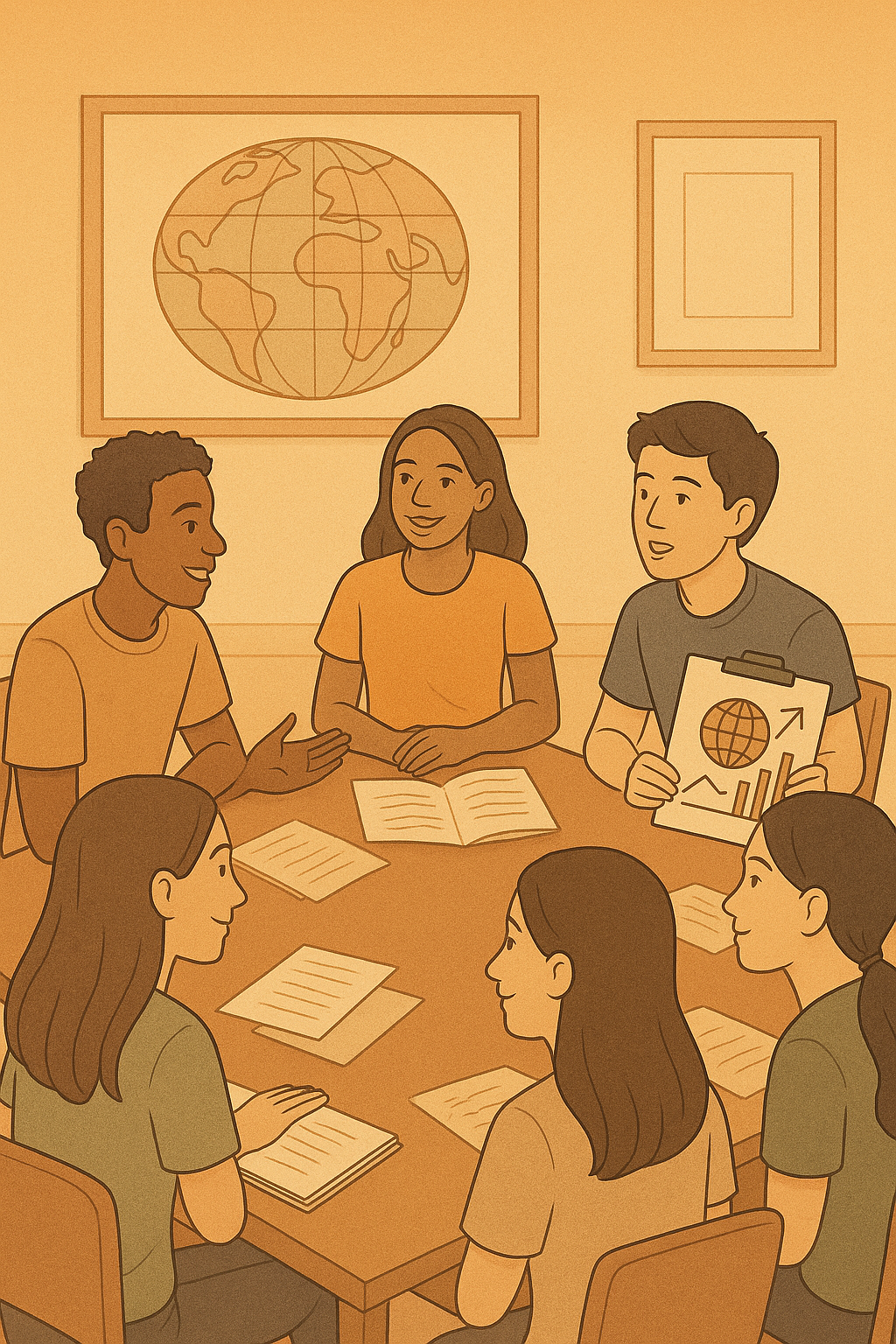
Now that we’ve explored modern strategies, let’s discuss how to build an education system that prepares students for an uncertain future.
Preparing for Tomorrow’s Challenges
The world is changing rapidly, and education must keep pace. Equip your students with skills such as adaptability and resilience. These skills are essential in navigating the challenges of the future. Introduce them to scenarios where they must adapt to unexpected changes, fostering flexibility and problem-solving abilities.
Moreover, emphasize collaboration and communication. Create opportunities for group projects where students learn to work together effectively. These experiences are akin to the work environments they will encounter in the future, making them better prepared.
Creating Engaging Learning Environments
An engaging learning environment is key to capturing students’ attention. Think of your classroom as a dynamic space where learning happens everywhere. Arrange your classroom to facilitate movement and interaction. A flexible seating arrangement encourages collaboration and creativity.
To maintain engagement, integrate technology thoughtfully. Use educational apps or virtual tours to enhance lessons. This not only adds variety but also aligns with the tech-savvy world students live in. By blending traditional teaching with digital resources, you create a balanced and exciting learning experience.
Innovative Teacher Training Resources
To support these strategies, let’s explore some resources that can enhance your teaching journey.
High-Impact Books and Workbooks
Books like the “New ABCs: Future-Focused Teaching” offer practical insights and activities. They provide step-by-step guides to infuse modern strategies into your teaching. Consider using these resources to inspire new ideas and approaches in your classroom.
Workbooks, on the other hand, offer hands-on exercises that you can implement immediately. These tools are designed to streamline planning and execution, making your teaching more effective and efficient.
Online Courses for Teacher Innovation
Online courses provide a flexible way to upskill and stay updated with the latest trends. Platforms offer courses on topics like Higher Order Thinking Skills or innovative teaching methods. These courses are designed to fit into your busy schedule, allowing you to learn at your own pace.
By investing in your professional development, you not only enhance your skills but also inspire your students with fresh perspectives. You’re not just a teacher; you’re a lifelong learner.
🌟📚
By embracing these modern strategies and resources, you’re paving the way for a brighter educational future. Your commitment to innovation not only benefits your students but also transforms you as an educator. Keep exploring, keep inspiring, and keep shaping the future of education.
