


 Paul Slowey
Embracing a Student-Centred Future in Education
Forget the old model where teachers just deliver content and students passively absorb it. Today’s classrooms need to spark creativity, agency, and real engagement. Student-centred education is more than a trend—it’s the future of education, shaping learners who think deeply and act boldly. Let’s explore teaching strategies that put learners at the heart of every lesson and see how you can join this educational transformation. Explore our Future-Focused Teaching Workbooks and Online Courses to start your journey towards a more student-centred classroom today! Learn more.
The Shift to Student-Centred Education
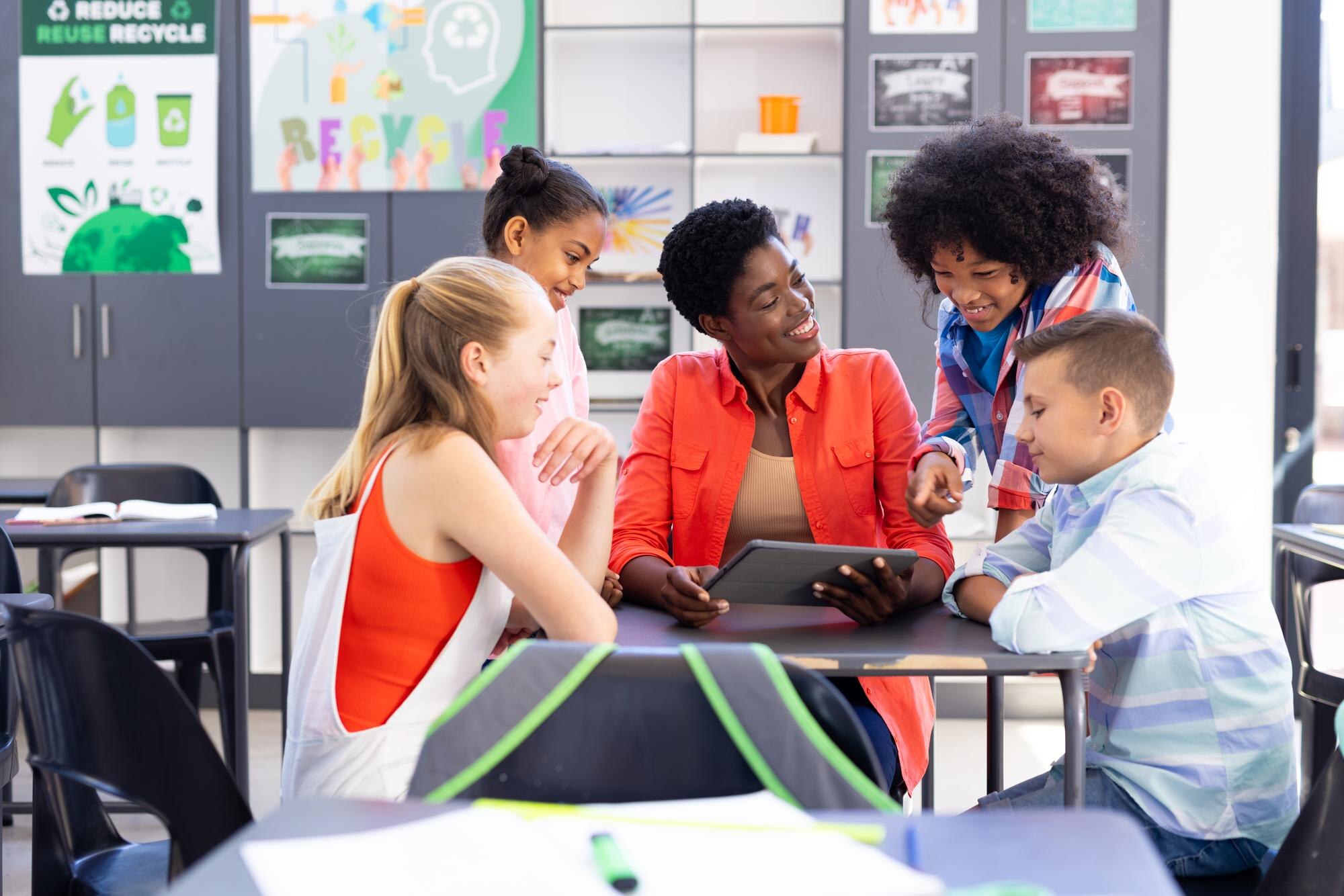
The transformation in education focuses on students actively participating in their learning journey. This shift promises a profound impact on both learners and educators, setting the stage for growth and innovation.
Benefits for Students
Engaging students in their own learning process turns passive listeners into active participants. Imagine students who not only learn facts but also question, explore, and create. This is the reality of a learner-focused approach.
Student-centred education encourages critical thinking and problem-solving skills. Students become adept at navigating challenges, an essential skill in the ever-changing world. They learn to collaborate, leading to better interpersonal skills and understanding diverse perspectives.
Research shows that students who are actively involved in their learning are more motivated and invested in their education. The sense of ownership and responsibility fosters confidence, preparing them for future success. Discover more about the rise of student-centred learning and its global impacts here.
Impact on Educators
Educators, you’re not just facilitators of knowledge—you’re guides in a transformative journey towards better learning outcomes. This student-centred approach redefines your role, making your work more impactful and rewarding.
Moving away from traditional teaching methods allows you to craft more engaging lessons. By focusing on what students need and how they learn best, you enhance your teaching strategies, making them more relevant and effective.
When students are engaged, the classroom becomes a dynamic environment. This shift reduces classroom management issues, allowing you to focus on teaching. Ultimately, this change leads to professional growth and fulfillment.
Future-Focused Teaching Strategies
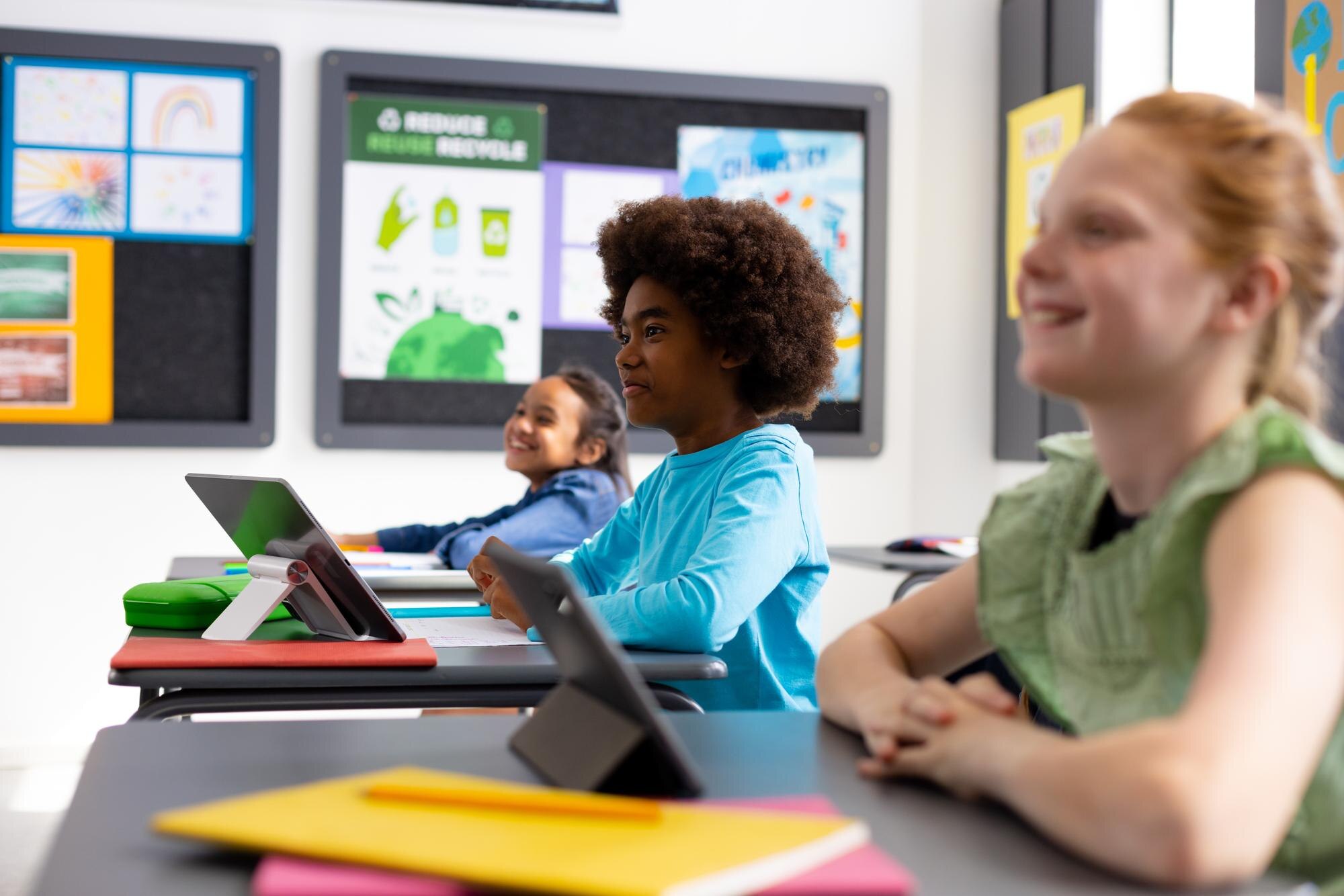
Implementing future-focused strategies requires reimagining your classroom environment—a space where innovation thrives and learning is exciting.
Creating Innovative Classrooms
An innovative classroom is a hive of activity, where students explore concepts through hands-on projects and experiments. By incorporating technology, such as interactive tools and digital platforms, you can enhance learning experiences further.
Use project-based learning to encourage exploration and creativity. This approach allows students to work on real-world problems, making learning relevant and engaging. Effective use of technology can also personalise learning, catering to each student’s pace and style.
By breaking away from traditional setups, you create an atmosphere where students feel free to express ideas and take risks in their learning journey. For more insights on how technology shapes classrooms, visit Digital Learning Institute.
Fostering Learner-Focused Environments
Creating a learner-focused environment starts with understanding your students’ needs. This approach values student input, making them co-creators of their educational journey.
Encourage student voice by involving them in decision-making processes about their learning topics and methods. This empowerment boosts motivation and engagement, creating a sense of ownership over their education.
Flexible learning spaces that allow for collaboration and independent study cater to different learning preferences. Such environments help students thrive, reinforcing the idea that learning is a personal adventure.
Making Educational Transformation a Reality

To bring about real change, educators need the right resources and a strong support network. Let’s explore what can help you make this transformation possible.
Resources from Teach for Tomorrow
Teach for Tomorrow offers a range of materials designed to support educators in this shift. From workbooks to online courses, these resources provide practical tools for implementing student-centred strategies.
Our resources are crafted to be easy to integrate into existing curriculums. They focus on developing skills that students need to succeed in the modern world, such as critical thinking and creativity.
Explore our Future-Focused Teaching Workbooks and Online Courses to start your journey towards a more student-centred classroom today. Find out more about these resources and how they can support your teaching efforts here.
Building a Supportive Community of Educators
Transformation is more sustainable when educators support one another. Building a community allows for knowledge sharing, collaboration, and mutual encouragement.
Join networks and forums where you can discuss challenges and successes with fellow educators. Sharing resources and ideas accelerates the adoption of innovative teaching methods.
By contributing to a community of like-minded educators, you not only enhance your own practice but also inspire others to embrace this educational shift. Learn more about building a strong educational community here.
🌟📚
This is the time to be part of a movement that is reshaping education for the better. Dive into these strategies and resources, and see the difference they can make in your classroom. The future of education is here, and it’s one where every student feels empowered to learn and grow.
