


 Paul Slowey
 Empowering Students: Developing Global Competencies for a Changing World
Old teaching methods used to prepare students for a world that no longer exists. Today’s classrooms need more than just facts—they require global competencies that equip young people with skills for the future. By weaving these competencies into your lessons, you open doors to meaningful learning in an interconnected world. Let’s explore practical ways to bring future-focused education into your teaching and ignite lasting change. For more information, visit this guide.
Fostering Global Competencies

Creating a classroom environment where students thrive starts with nurturing global competencies. These are the skills that prepare students to engage with a world that’s more connected than ever before.
Building a Global Mindset
To truly prepare students for the future, it’s essential to cultivate a global mindset. This begins with encouraging curiosity about the world. Imagine students as explorers, eager to learn about different cultures and perspectives. You can achieve this by incorporating international stories and case studies into your lessons. Consider a project where students research a country and present their findings—this not only builds research skills but also broadens their understanding of the world.
Another effective strategy is to discuss current global events. By connecting classroom topics to real-world issues, you help students see the relevance of what they’re learning. Encourage them to think critically about these issues and consider how they might solve them. This approach not only engages students but also empowers them as future problem solvers.
Embracing Cultural Awareness
Cultural awareness is a cornerstone of global competencies. It involves understanding and appreciating the diverse backgrounds of people around the world. Start by creating opportunities for students to share their own cultural stories. This not only enriches the classroom experience but also fosters respect and empathy among peers.
You can also introduce cultural events and celebrations into the classroom. For instance, set aside time to learn about and celebrate holidays from different cultures. This not only increases cultural awareness but also makes learning fun and memorable. By doing so, you encourage students to view cultural differences as opportunities for learning and growth.
Future-Focused Education Strategies
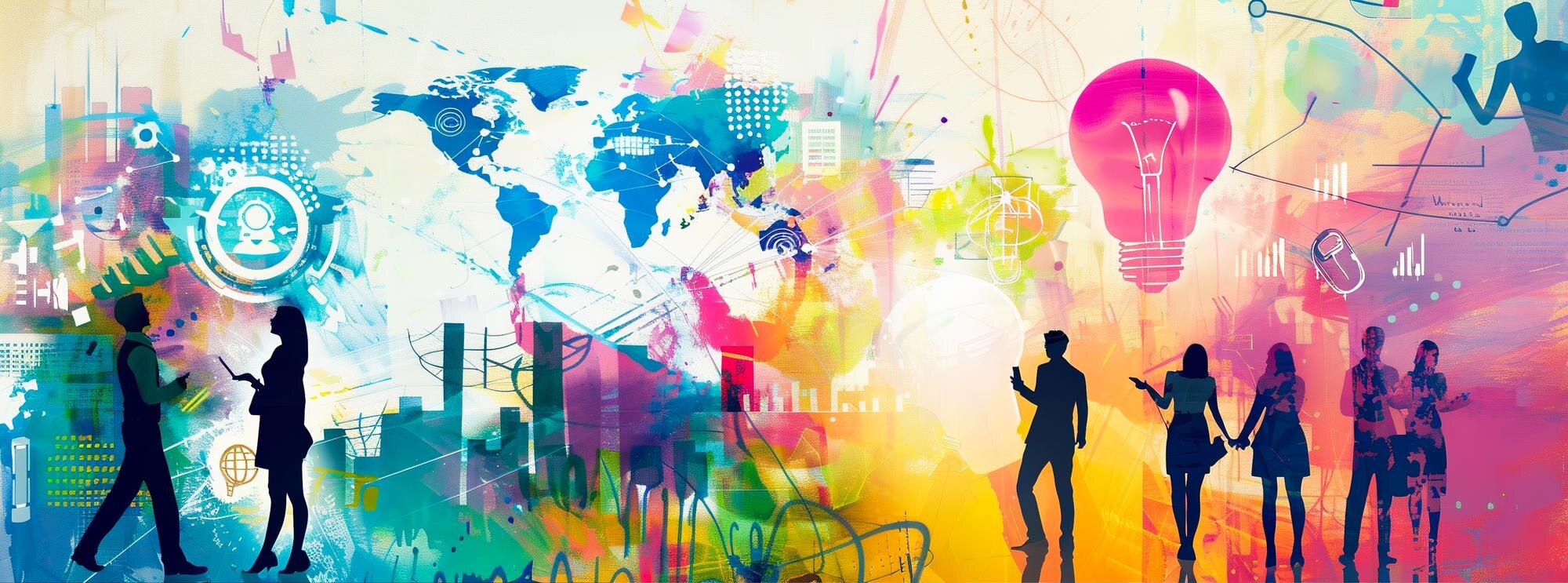
Once you’ve laid the foundation of global competencies, it’s time to focus on strategies that prepare students for the future. These strategies equip them with the necessary skills to navigate an interconnected world.
Skills for the Future
Building future-oriented skills is essential in today’s classrooms. One critical skill is adaptability. Encourage students to embrace change by designing activities that require them to think on their feet. This could be a problem-solving challenge that requires them to find creative solutions within a set time frame.
Collaboration is another key skill. Facilitate group projects where students must work together to achieve a common goal. This not only builds teamwork but also teaches them how to communicate effectively. Finally, digital literacy is indispensable. Integrate technology into your teaching by using online tools and resources that allow students to experiment and learn in dynamic ways.
Adapting to an Interconnected World
Adapting to our interconnected world means understanding its complexities and recognising the role we each play. Start by encouraging students to think globally and act locally. Assign projects that require them to address local issues with global implications. This approach not only makes learning relevant but also empowers students to make a difference in their communities.
Foster discussions that connect classroom topics to global challenges. For example, when teaching environmental science, explore the impacts of climate change worldwide. This not only enriches their understanding but also inspires them to contribute positively to global solutions.
Engaging with Educational Resources

Engaging with the right educational resources can make a significant impact on your teaching journey. These resources provide practical tools and connect you with a community of educators.
Teaching Tools for Tomorrow
Access to innovative teaching tools can transform your classroom. Use resources that offer interactive and engaging content. For example, online platforms that provide simulations or virtual field trips can bring lessons to life. These tools not only enhance learning but also keep students motivated and interested.
Explore resources that offer a variety of teaching strategies. Websites like ASCD and Edutopia provide articles and guides on implementing global competencies. These resources equip you with ideas and frameworks you can use immediately.
Joining a Community of Educators 🌍📚
Being part of a community of educators can provide support and inspiration. Engage with platforms that connect you with like-minded individuals. Share experiences, challenges, and successes to learn from each other. Consider joining online forums or social media groups dedicated to education.
Participate in professional development opportunities. Workshops and webinars offer fresh insights and innovative strategies. Websites such as Getting Smart and NEA Foundation provide access to resources and networks that support your growth.
In summary, integrating global competencies into your teaching not only enriches your students’ education but also prepares them for an ever-changing world. By implementing future-focused strategies and tapping into valuable resources, you can create a vibrant learning environment that inspires and empowers the next generation.
