


 Paul Slowey
Building Resilience in Education: Preparing for the Future
Most classrooms still teach the way they did decades ago—while the world around students changes faster than ever. Your challenge is clear: how do you build resilience in education so learners develop adaptive skills that last beyond tests and textbooks? This post shows practical ways to create future-ready classrooms where students thrive no matter what comes next. Join our global community of educators and access tools to build resilience in your classroom today! Learn more about building resilience here.
Resilience in Education: A New Approach

Creating a classroom that adapts to change begins with building resilience. It’s about preparing students not just for exams but for life. As an educator, you hold the key to this transformation.
Teaching Resilience in Classrooms
To foster resilience, rethink traditional teaching methods. Start with small, impactful changes. For instance, incorporating problem-solving exercises helps students face challenges head-on. When students tackle real-world scenarios, they learn to adapt and persevere.
Consider Amy, a teacher who replaced standard quizzes with group challenges. Her students not only improved academically but also learned to support each other in stressful situations. Key takeaway? Resilience grows in a supportive community.
Building Future-Ready Classrooms
The future is unpredictable, but your classroom can prepare students for it. Begin by creating a space where innovation flourishes. Introduce flexible seating arrangements or tech tools that encourage collaboration and creativity.
Think of your classroom as a launchpad. By equipping students with skills like critical thinking and collaboration, you’re setting them up for success, no matter what path they choose.
Practical Strategies for Adaptive Skills

Adaptive skills are critical for navigating an ever-changing world. Here’s how you can embed them into everyday learning.
Engaging Educational Resources
Access to dynamic educational resources makes a huge difference. Seek out materials that not only educate but also engage. Websites like Positive Psychology offer activities designed to build resilience through interactive learning.
Consider how introducing a simple weekly challenge can transform your classroom dynamics. These activities promote independence while sparking curiosity.
Encouraging a Growth Mindset
A growth mindset transforms setbacks into stepping stones. Encourage students to view mistakes as opportunities for growth. Highlight stories of perseverance, like those found in Mayo Clinic’s resilience strategies.
Create a classroom culture where questions are encouraged and exploration is celebrated. When students believe they can grow, they’re more likely to embrace challenges.
Join the Community of Educators
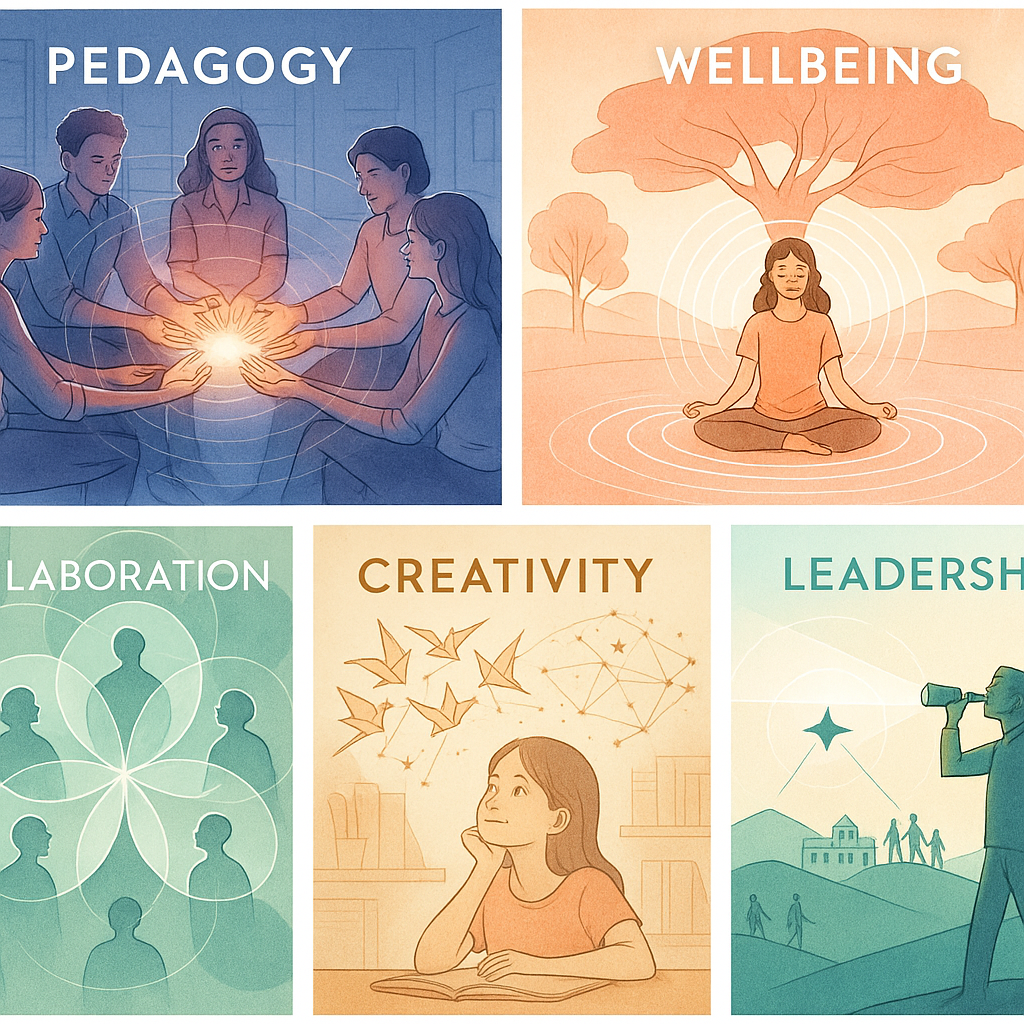
Being part of a community amplifies your efforts. Together, educators can share insights and strategies that work.
Connect with Like-Minded Teachers
Collaboration with peers offers fresh perspectives. Join forums or local groups to exchange ideas. You’ll find that collective wisdom often leads to innovative solutions.
Consider the power of connection demonstrated by the teachers who shared resilience strategies during the pandemic, as discussed in Yale Medicine’s article. Such networks are invaluable.
Access Innovative Teaching Tools
To enhance your teaching, leverage new tools and resources. Platforms offering professional development and innovative practices are great starting points. Visit Teach for Tomorrow’s online hub for ideas and resources that align with future-focused teaching.
In conclusion, resilience in education isn’t just a concept—it’s a practice. Equip your students with the skills to thrive amidst uncertainty. The longer you wait to implement these changes, the more opportunities pass by. Let’s transform education for a brighter future.
