


 Paul Slowey
Cultivating Ethical Minds: A Future-Focused Approach to Education
Teaching ethics isn’t just another topic to add—it shapes how young minds face tomorrow’s challenges. When you bring ethical education into your lessons, you equip students with moral reasoning skills that matter beyond the classroom. Let’s explore how future-focused learning can help you foster integrity and empathy every day, using practical tools from Teach for Tomorrow. Join us as we build classrooms where values come to life and students grow into thoughtful, responsible citizens. For more insights, you might find this article on moral development in children helpful.
Integrating Ethical Education

Understanding ethics is more important than ever. By focusing on ethical education, you prepare students for the complexities of modern life.
Cultivating Ethical Minds in Classrooms
Imagine a classroom where values are as important as facts. Here, students learn to think about their choices and how they affect others. Paul Slowey believes that teaching ethics helps develop critical thinking. It’s not just about right or wrong; it’s about understanding why. When students discuss real-life situations, they practice empathy and make connections. This groundwork encourages them to act responsibly. For practical tips, check out this guide on raising moral children.
Teaching Ethics for Real-World Challenges
Ethical education goes beyond textbooks. It prepares young minds to handle real-world issues. Students face challenges that require not just skills but also understanding. Talking about ethical dilemmas in the classroom builds a foundation for future decision-making. It’s about seeing different perspectives and making informed choices. This approach helps students become compassionate leaders. Want more strategies? This article on developing a conscience might be useful.
Paul Slowey’s Approach to Moral Reasoning
Paul Slowey’s teachings focus on the heart of ethical education. He emphasizes moral reasoning as a key skill. When students engage in discussions about ethics, they learn to argue thoughtfully. It’s about finding solutions that respect everyone involved. Slowey’s books offer frameworks that teachers can easily use. They are designed to fit into existing lesson plans without needing extra resources. His approach transforms classrooms into spaces where ethical thinking thrives.
Future-Focused Learning Strategies
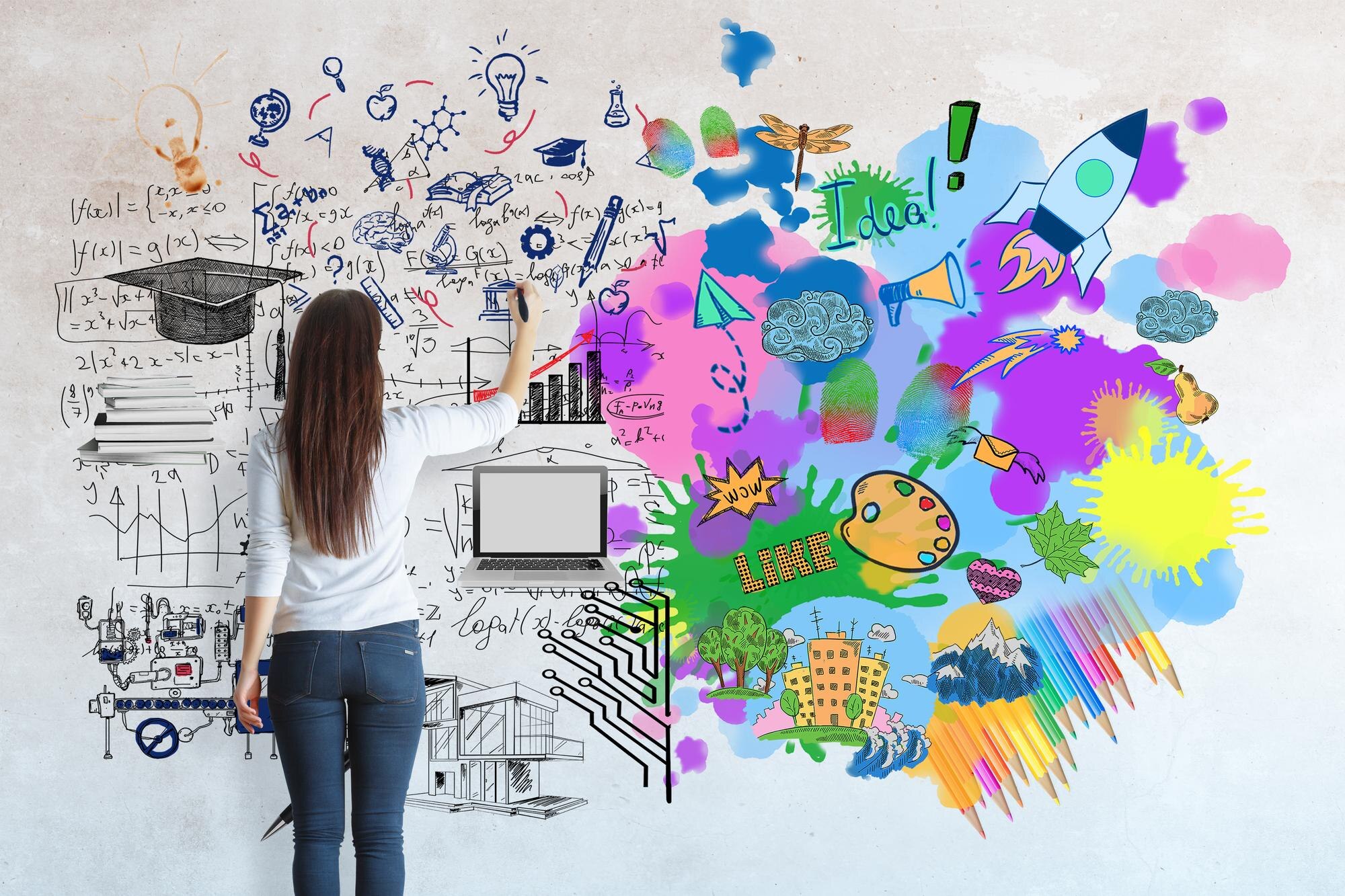
As we explore these strategies, remember they’re not just about today. They’re shaping tomorrow’s leaders.
Educational Resources for Ethical Growth
Resources play a crucial role in teaching ethics. Books, videos, and online materials provide diverse perspectives. They help students see beyond their own experiences. These resources can include stories that make abstract concepts real. For example, a simple story can illustrate the impact of honesty. Using varied materials keeps students engaged and opens their minds to different views. Find more on this topic in ethical behaviour in children.
Teach for Tomorrow’s Innovative Courses
Teach for Tomorrow offers courses that integrate ethics seamlessly into learning. These courses provide step-by-step guides for teachers. They focus on real-world applications, making ethics a part of everyday lessons. By using these courses, educators gain the tools to foster a morally aware classroom. Students learn to explore ethical dilemmas and find solutions. This practical approach ensures that students are ready for the future.
Building a Community of Ethical Educators
Being part of a community amplifies the impact of ethical education. When educators share experiences and resources, they create a supportive network. This community encourages innovation and shared learning. Educators can discuss what works and what doesn’t, refining their approaches. By building this network, teachers can inspire each other and their students. Joining a global community of ethical educators strengthens the commitment to teaching values.
Inspiring Hope and Responsibility
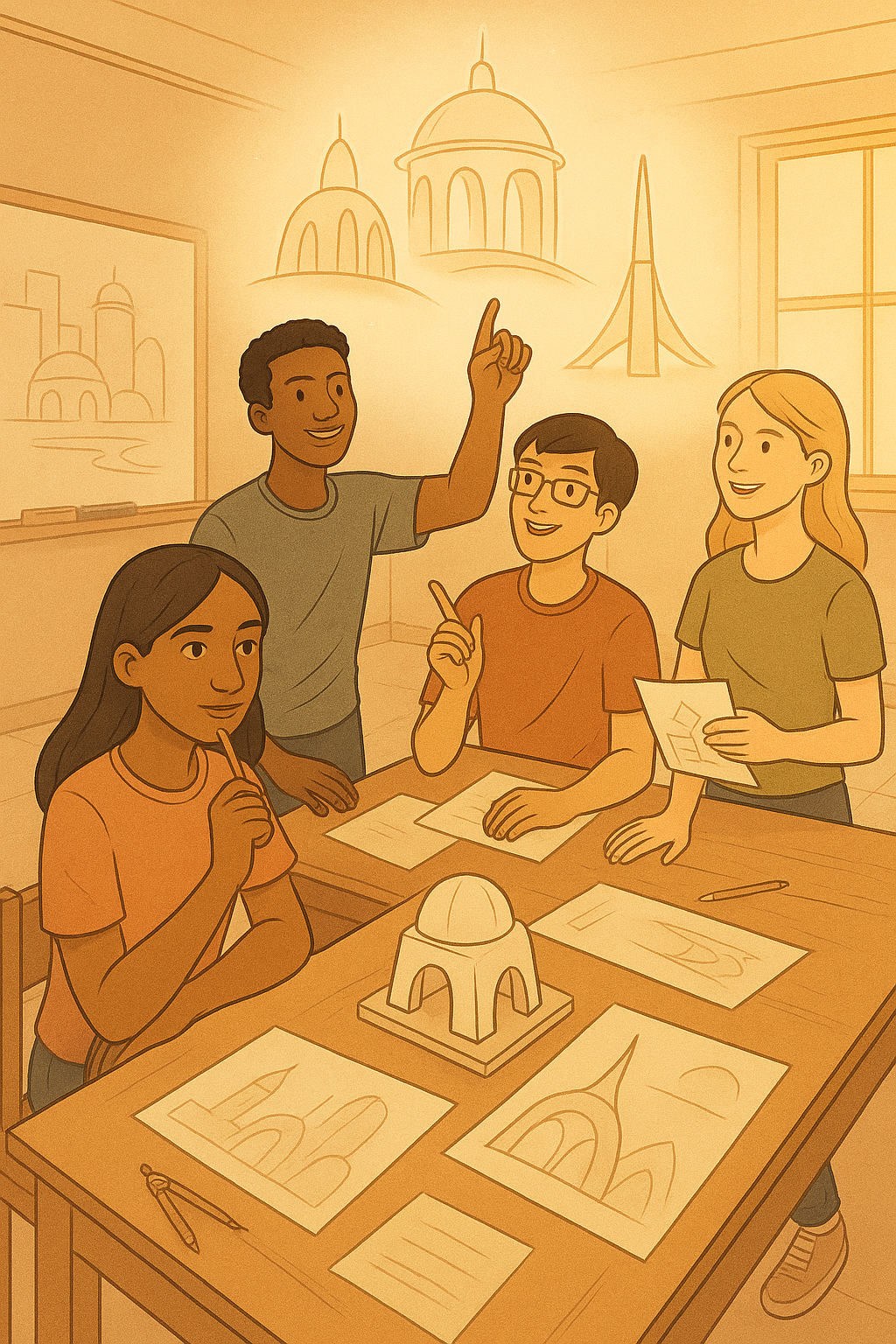
Ethical education is about more than knowledge. It’s about inspiring hope and responsibility in every student.
Empowering Students with Integrity and Empathy
Empowering students means giving them the tools to act with integrity. When students understand the importance of empathy, they become better citizens. It’s about listening and understanding different viewpoints. These skills are crucial in today’s world. By focusing on empathy, students learn to resolve conflicts peacefully. This empowerment stays with them beyond school, shaping their futures.
Fostering a Supportive Learning Environment
A supportive learning environment is key to teaching ethics. It’s where students feel safe to express their ideas and explore tough questions. Teachers play a vital role in creating this space. Encouraging open dialogue helps students learn from each other. It’s about making mistakes and learning from them. This environment fosters growth and understanding, essential for ethical development. For more insights, explore these parental strategies.
Join the Global Community of Educators 🌍
By joining a global community, educators can drive change together. Sharing ideas and resources makes ethical teaching more effective. This collaboration leads to new strategies and insights. Educators worldwide face similar challenges and can support each other. Together, they can create classrooms that value ethics as much as academics. Becoming part of this community is a step towards a better future for all students.
