


 Paul Slowey
Reflective Practice That Sticks: 10‑Minute Techniques for Future‑Focused Classrooms
Most teacher reflection strategies feel like just another task squeezed into busy days. What if you could build reflective practice techniques into your routine in just 10 minutes, with tools designed for future-focused teaching? This post shares simple, practical methods that fit right into your classroom flow—and points you to Teach for Tomorrow resources that make reflection both meaningful and manageable. Choose one technique and try it this week to see the difference it makes.
Simple Reflective Practice Techniques
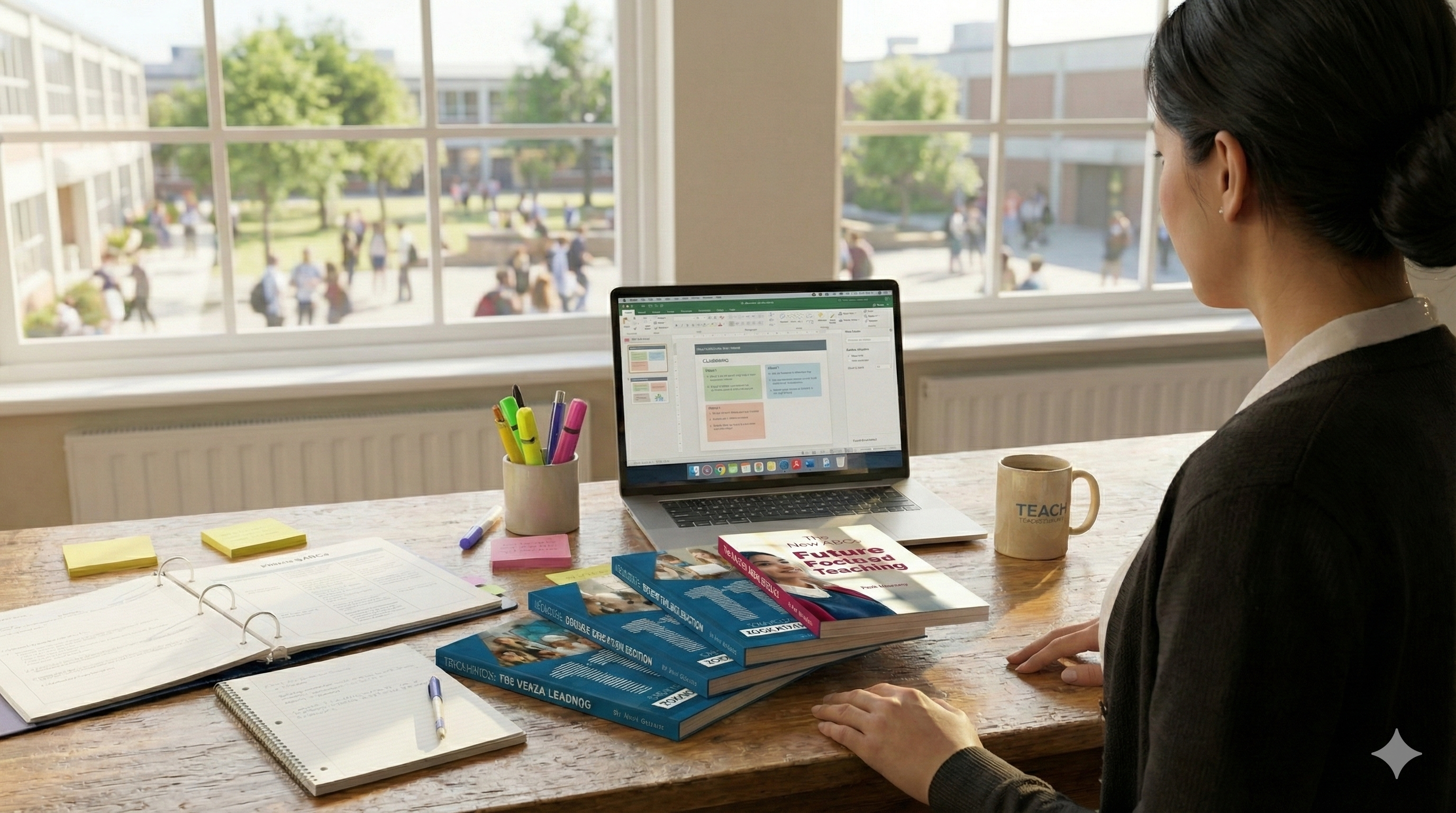
Reflecting on your teaching doesn’t have to be time-consuming. With these techniques, you’ll find ways to integrate reflection into your busy schedule seamlessly.
Quick Teacher Journalling Prompts
Imagine starting your day with a simple prompt. It can be as easy as jotting down one success and one challenge from the previous day. Journalling allows you to capture fleeting thoughts and turn them into actionable insights. A prompt like “What made you proud yesterday?” can shift your mindset positively.
Try setting aside 10 minutes in the morning or after class. Use this time to note strategies that worked well or areas that need adjustment. By maintaining this routine, you’ll not only track your growth but also identify patterns over time. This small habit can result in significant improvements in your teaching practice.
Exit Ticket Reflection Strategies
Ending a lesson with a question for your students can reveal much about their understanding. An exit ticket asks students to write a quick response to a question about the day’s lesson. This could be “What was the most important thing you learned today?” or “What question do you still have?”
Collecting these responses provides immediate feedback. It helps you gauge student comprehension and adjust future lessons accordingly. Plus, it empowers students to reflect on their learning process. Implementing this strategy takes only a few minutes but can transform your understanding of student needs.
Plus‑Delta Protocol in Action
The Plus-Delta Protocol is a straightforward method to identify what’s working and what isn’t. After a lesson, ask yourself or your students, “What went well?” (Plus) and “What could be improved?” (Delta). This reflective practice encourages continuous improvement.
Incorporate this into your weekly planning. By consistently evaluating your teaching practices, you can make informed changes that enhance learning outcomes. This technique fosters a growth mindset and aids in creating a responsive learning environment.
Building a Future-Focused Classroom
Reflective teaching is just the beginning. To truly prepare students for the future, you need a classroom that encourages critical thinking and adaptability.
Integrating Metacognitive Routines
Metacognitive routines encourage students to think about their thinking. You can start by asking them to reflect on how they approached a task. Questions like “What strategies did you use?” or “How would you tackle this problem differently?” promote self-awareness.
Introduce these questions during class discussions or written assignments. Over time, students will develop the habit of evaluating their learning processes, leading to greater independence and critical thinking skills. This approach not only supports individual learning but also cultivates a community of reflective learners.
Student Voice Reflection Techniques
Giving students a voice in their learning journey is powerful. Encourage them to share their thoughts and feelings about classroom activities. You might hold regular feedback sessions where students discuss what they enjoyed and what could be improved.
This practice builds a sense of ownership and engagement in learning. It also provides valuable insights for you as a teacher. By valuing student input, you create a classroom culture of respect and collaboration. This strategy aligns with future-focused teaching by preparing students to participate actively and thoughtfully in their education.
Self-Evaluation for Teachers
Reflect on your teaching methods regularly. Consider questions like “What new strategies did I try?” or “How well did I support diverse learning needs?” Self-evaluation helps identify strengths and areas for growth.
Set aside time each month to review your teaching practices. Use a structured template to guide your reflection, and consider sharing insights with colleagues for further feedback. By regularly assessing your practice, you ensure that your teaching evolves with the needs of your students.
Engaging Professional Learning Communities
Collaborating with peers can enhance reflective practices. Professional learning communities offer a platform for shared growth and development.
Peer Observation Protocol Tips
Watching a fellow teacher in action offers fresh perspectives. Arrange a schedule with colleagues to observe each other’s classes. Focus on specific teaching techniques or classroom management strategies.
After the observation, discuss your findings. Share what you learned and how it might influence your approach. This exchange of ideas fosters a supportive teaching community and encourages continuous professional development.
Creating a Learning Walk Checklist
Learning walks allow you to observe various classroom environments and teaching styles. Develop a checklist to guide your observations. Focus on student engagement, classroom culture, or specific teaching strategies.
Participating in learning walks expands your understanding of different teaching practices. It promotes reflection and inspires innovation in your own classroom. Moreover, it strengthens connections with colleagues as you share insights and experiences.
Stop-Start-Continue Routine Benefits
The Stop-Start-Continue routine is a simple yet effective reflective tool. Periodically, evaluate your teaching by asking yourself: “What should I stop doing?” “What should I start doing?” and “What should I continue doing?”
This exercise encourages regular self-assessment and adjustment. It prompts you to let go of ineffective practices and embrace new approaches. By consistently applying this routine, you maintain a dynamic and responsive teaching environment.
Each of these techniques and strategies aims to enhance your reflective practice, making it an integral part of your teaching routine. As you incorporate these methods, you’ll find more clarity and inspiration in your journey towards future-focused education.
