


 Paul Slowey
Building Student Resilience: Practical Strategies for Future‑Focused Classrooms
Building student resilience is no longer a nice-to-have—it’s essential for preparing young people to face tomorrow’s challenges with confidence. Many schools struggle to turn resilience from a buzzword into everyday practice. In this post, you’ll find clear, classroom-ready strategies that boost resilience in schools while fostering student agency and wellbeing. Choose one to trial this week and join a global community shaping future-focused teaching. For more insights, visit this article.
Cultivating Resilience in Schools
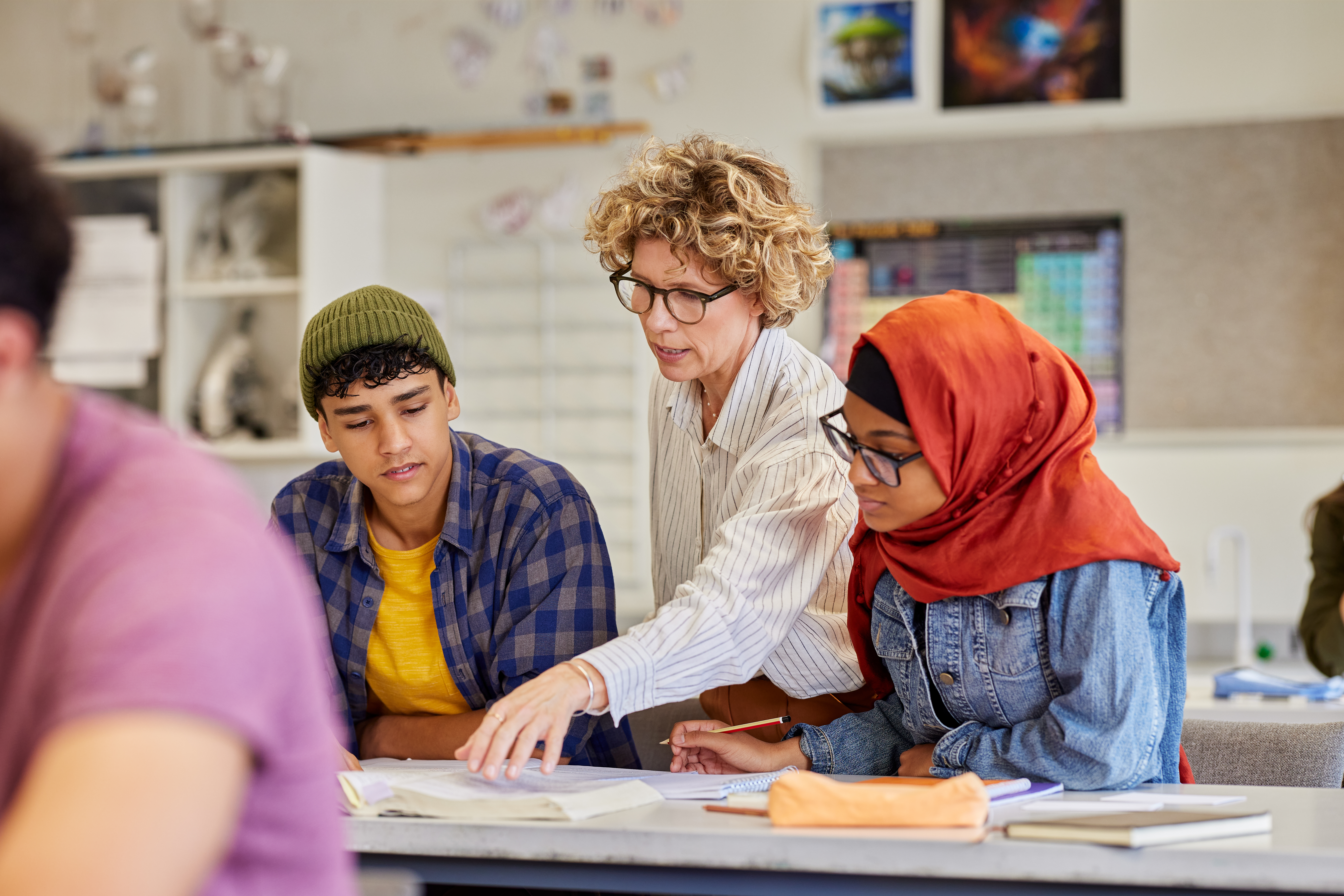
Creating a resilient student is akin to planting a seed that grows into a sturdy tree, capable of withstanding life’s storms. The path to resilience begins with understanding its essence.
Building Student Resilience: Key Concepts
Resilience helps students face challenges with courage and bounce back from setbacks. It’s about fostering a mindset that sees obstacles as opportunities for growth. When students learn to adapt, they become more confident and hopeful. This mindset is crucial in a world that constantly evolves. Experts suggest that resilience is built through consistency in routine and positive reinforcement. For more strategies, explore this guide.
Human-Centred Education Approaches
Human-centred education focuses on nurturing every student’s unique strengths and interests. It encourages collaboration and empathy, helping students connect deeply with their peers and teachers. This approach sees each student as an individual with potential, enhancing their learning journey and personal growth. Imagine a classroom where students feel valued and understood, leading to better engagement and learning outcomes. Learn more about these approaches here.
Practical Strategies for Teachers

With key concepts in place, we now turn our attention to practical strategies. Let’s explore how you can integrate these ideas into your teaching practice.
Classroom Routines for Growth Mindset
Establishing routines that promote a growth mindset can transform how students perceive their abilities. Start with simple daily reflections where students identify one thing they’ve improved on. This activity not only boosts self-esteem but also encourages continuous learning. Additionally, create a wall of achievements where students can pin their small and big wins. This visual reminder of their progress can be incredibly motivating.
A powerful method is “mistake of the day,” where students share and learn from errors. This normalises mistakes as a part of learning. It’s essential to foster an environment where students feel safe to express themselves without fear of judgment. By doing so, you cultivate a thriving learning atmosphere.
Metacognition Strategies for Learner Agency
Metacognition, or thinking about one’s own thinking, empowers students to take charge of their learning. Encourage students to set personal learning goals and reflect on their progress. This fosters a sense of ownership and self-motivation.
Introduce metacognitive journals where students record what strategies worked and what didn’t. This practice enhances self-awareness and helps students identify effective learning methods. By actively engaging in metacognitive practices, students develop critical thinking and problem-solving skills essential for their future.
Embedding Wellbeing in the Classroom
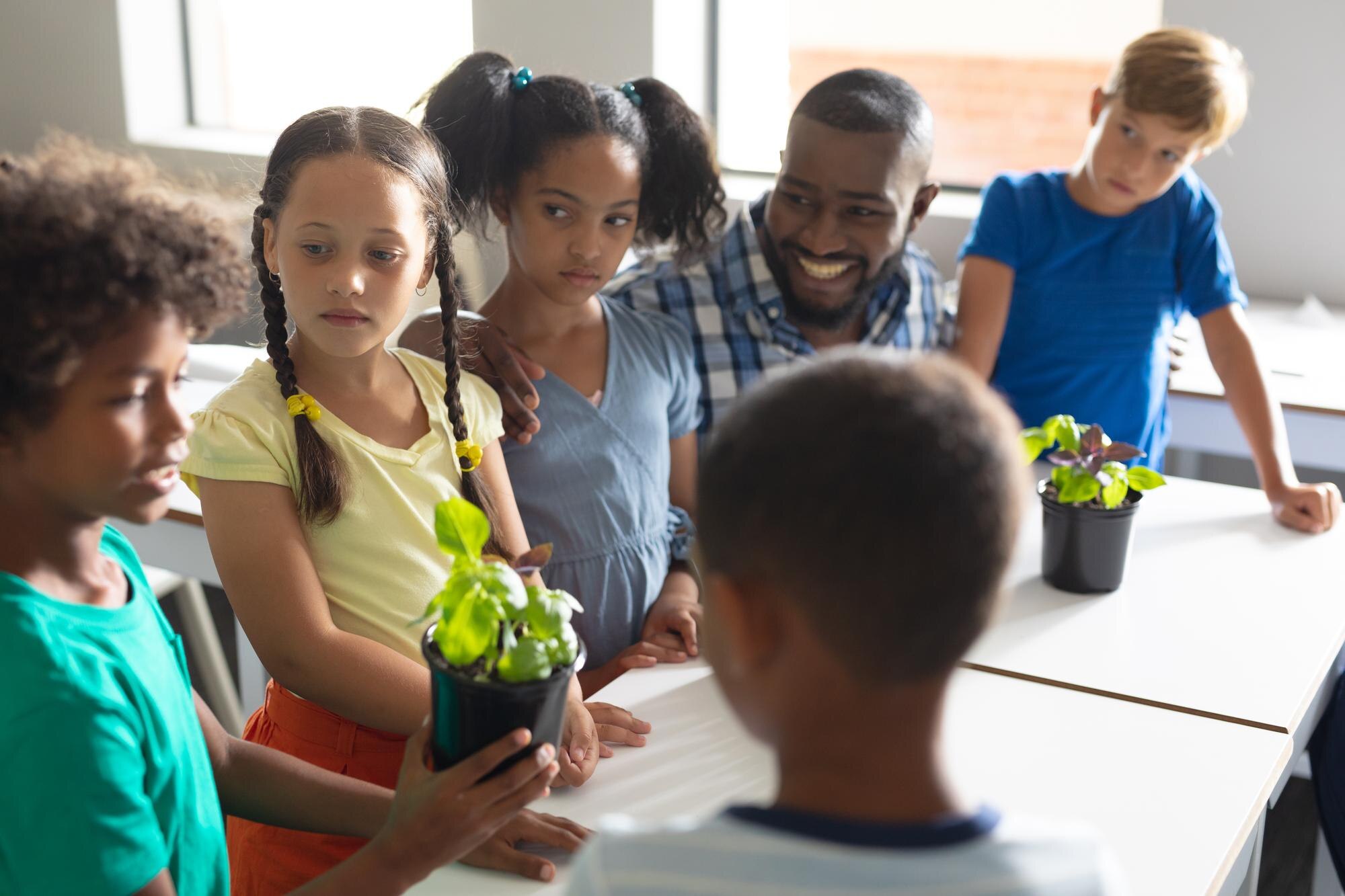
The next step is embedding wellbeing into everyday classroom experiences, ensuring students feel supported and valued.
Promoting Student Agency and Voice
Student agency is about giving learners the power to influence their education. Start by involving students in decisions about classroom activities and projects. This not only boosts their confidence but also makes learning more relevant and engaging. Consider regular class meetings where students can voice their opinions and suggest improvements. This inclusive environment fosters a sense of belonging and community.
Engage students in peer teaching, allowing them to share knowledge and skills with classmates. This approach builds collaboration and respect, essential elements of a supportive classroom.
Developing a Supportive Classroom Culture
A supportive classroom culture is the backbone of student wellbeing. Begin by establishing clear expectations and a respectful communication style. Celebrate diversity and encourage students to share their backgrounds and experiences. This creates an inclusive environment where every student feels valued.
Introduce activities that focus on empathy and teamwork, such as group projects or community service. These experiences teach students the importance of working together and supporting one another. Remember, a classroom built on trust and respect provides a solid foundation for student growth and resilience.
By embedding these strategies in your teaching practice, you empower your students to face future challenges with resilience and confidence. The journey to building student resilience is ongoing, and every step you take contributes to shaping a brighter future.
