


 Paul Slowey
Unleashing Creativity: The Ultimate Superpower in Modern Classrooms
Creativity in education isn’t just a nice extra—it’s the secret weapon that sparks real engagement and sharpens problem-solving skills. If your classroom feels stuck in routine, adding creative teaching methods can change everything. You’ll see how future-focused teaching brings fresh energy and deeper learning to your students. Explore our resources to start transforming your classroom into a hub of creativity today. Learn more about creativity as a superpower in education.
The Magic of Creativity in Education

Engaging Students through Creative Teaching Methods
Imagine walking into a classroom where students are excited to learn. That’s the power of using creative teaching methods. They captivate attention and spark curiosity. For instance, using storytelling or interactive games can make lessons unforgettable. These approaches turn passive listeners into active participants, fostering a love for learning that goes beyond the textbook.
Think about a student who struggles with traditional methods. By introducing art projects or role-playing, you provide new avenues for understanding. This approach helps all types of learners find their stride. With creativity at the helm, you transform lessons into adventures. And as students engage more, their confidence grows.
Teachers who adopt creative methods often notice a ripple effect. Students begin sharing ideas and working together more seamlessly, which builds a positive classroom environment. This transformation doesn’t just benefit students; it reinvigorates teachers as well. You get the joy of seeing bright eyes and eager minds every day.
Real-World Problem Solving with Future-Focused Teaching
When lessons mirror real-world challenges, students grasp their relevance. Future-focused teaching bridges the gap between education and application. Through projects that tackle real issues, students learn critical thinking and problem-solving. This preparation is vital for their future careers.
Consider a project where students design solutions for environmental issues. They research, brainstorm, and test their ideas, simulating real-world processes. This hands-on experience reinforces classroom learning and boosts retention. As students see the impact of their work, their motivation soars.
Most people think traditional methods are enough, but integrating real-world problems makes learning more impactful. Students develop skills that employers value, like collaboration and creativity. As they tackle these challenges, they grow into adaptable, resilient individuals ready to face the future.
Sparking Classroom Innovation
Building a Hub of Creativity
Creating a classroom that thrives on creativity starts with small changes. You don’t need a complete overhaul—sometimes, it’s about using everyday opportunities differently. For example, try rearranging your space to promote collaboration. Group desks into clusters to encourage dialogue and idea sharing.
Incorporate technology to broaden horizons and connect students with global issues. Online platforms can bring diverse perspectives into your classroom, sparking new ideas. When students see their work affecting peers worldwide, it ignites a sense of purpose and excitement.
Breaking away from routine can inspire both students and teachers. You become an innovator, a leader of change in your educational environment. This shift helps students see school as a place where their ideas matter, nurturing a lifelong love for learning.
Encouraging a Community of Educators
Change isn’t a solo journey—it’s a community effort. Connect with educators who share your passion for innovative teaching. This network can offer support, share resources, and inspire new ideas. By engaging with this community, you become part of a movement towards better education.
Attend workshops or join online forums where educators exchange experiences. These platforms are treasure troves of practical advice and creative solutions. You’ll find tips for integrating creativity into your teaching, drawn from real-life successes and challenges.
Most educators yearn for support and collaboration. By fostering these connections, you enrich your own teaching and contribute to the wider educational landscape. Together, we can create classrooms that are not only centres of learning but also hubs of inspiration.
Resources for Future-Ready Skills
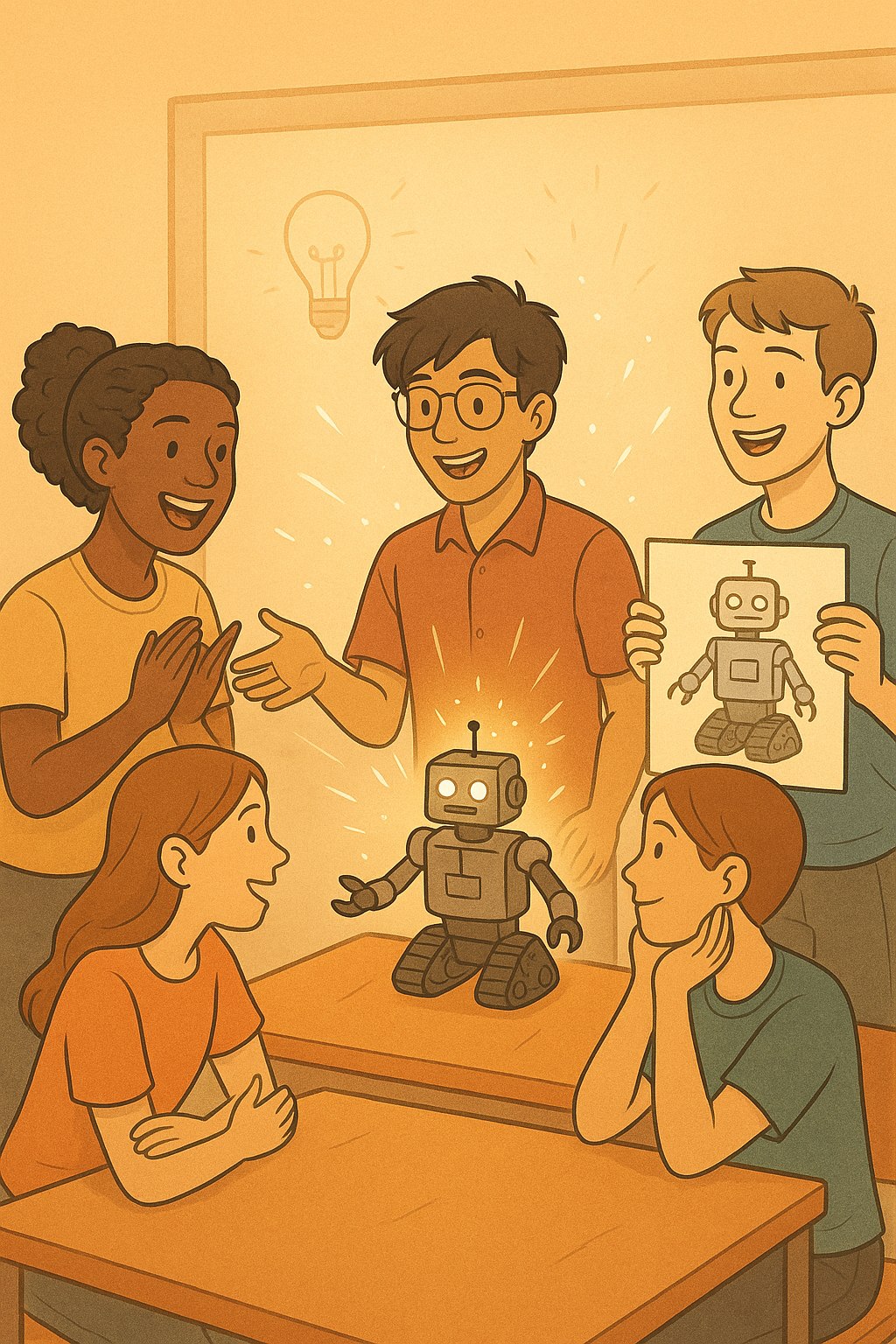
Practical Tools for Creative Teaching
Equipping yourself with the right tools can make all the difference. Start with resources that are easy to implement yet powerful in their impact. Consider using interactive apps or online platforms that make learning dynamic and engaging. These tools can simplify complex topics, making them accessible to all students.
Look for lesson plans or activities that encourage exploration and creativity. These resources should align with your curriculum but offer flexibility for adaptation. As you integrate these tools, you’ll notice a boost in student participation and enthusiasm.
By investing time in finding the right resources, you set the stage for a transformative classroom experience. Your students gain skills that are essential for the future, such as critical thinking and adaptability. And you, as an educator, gain satisfaction from seeing their growth and success.
Online Courses for Empowering Educators
Continual learning is key to staying ahead in education. Online courses offer a convenient way to enhance your skills and bring fresh ideas into your classroom. From creative teaching strategies to advanced technology integration, these courses cover a breadth of topics.
Enrol in courses that focus on future-focused teaching. They provide insights into current educational trends and equip you with practical skills. As you apply these lessons, you’ll see your teaching style evolve, positively impacting your students.
The longer you wait to embrace new methods, the more opportunities slip away. By pursuing further education, you empower yourself and your students. Together, you embark on a journey of growth and discovery. Ready to take the leap? Explore resources that can transform your educational approach.
