


 Paul Slowey
3 Quick Tips to Make Your Teaching More Future-Focused
Most teaching methods still focus on yesterday’s skills, leaving students unprepared for what’s next. You want your lessons to spark creativity, real-world learning, and 21st-century skills—but fitting that in feels overwhelming. These three quick tips will help you shift to future-focused teaching with practical strategies you can use tomorrow. Explore how small changes can create big impact in your classroom today. [https://servelearn.co/blog/teaching-strategies-of-the-future-9-concepts-to-consider/]
Embrace Real-World Learning
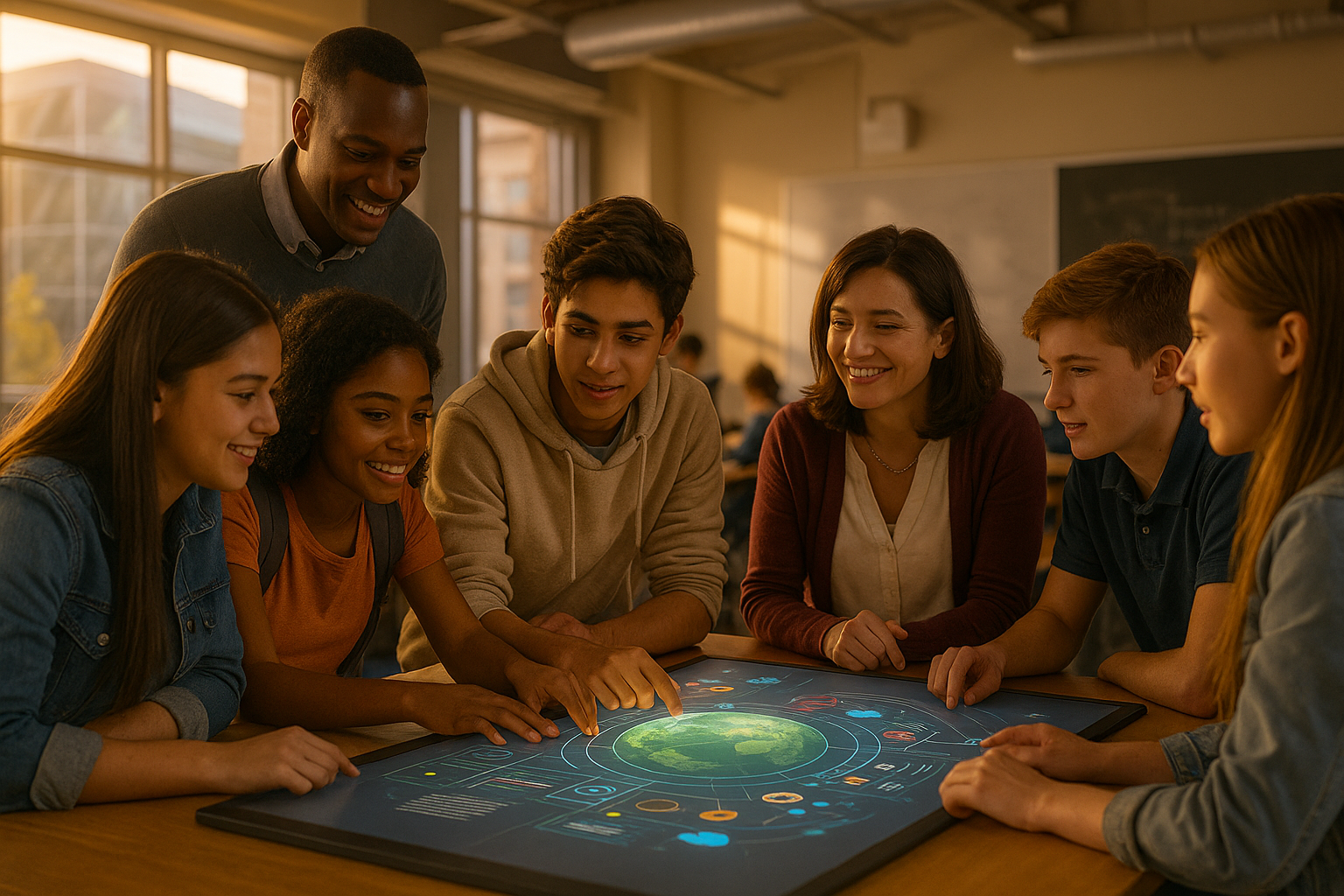
Drawing connections from classroom to careers is key to preparing students for the real world. Let’s delve into how you can bring this transformation into your teaching.
Connect Lessons to Careers
Imagine a student learning maths and seeing its application in architecture or finance. This bridges the gap between theory and practice. By inviting professionals to speak or organising visits to local businesses, you can show students the paths their studies might lead to. Real-world applications make lessons more engaging and relevant. According to a study, students are 30% more likely to pursue careers they’ve experienced firsthand. Highlight how data analysis in sports or coding in game design could be their next step. Explore more on teaching strategies here.
Foster Problem-Solving Skills
Incorporate real-world problems into your curriculum. Encourage students to brainstorm solutions for issues like recycling or traffic congestion. This develops their critical thinking and creativity. As they work through these challenges, they gain confidence in their abilities. A classroom that mimics real-life problem-solving nurtures future innovators. Encourage collaboration by having students work in teams, mirroring workplace dynamics. 85% of employers look for teamwork skills when hiring. Through structured group projects, students learn to listen, negotiate, and lead. Learn more about engaging students in problem-solving.
Encourage 21st-Century Skills
Once students see the real-world value of their lessons, you can focus on equipping them with essential skills for the future. Here’s how you can cultivate these abilities.
Cultivate Critical Thinking
Critical thinking is like a muscle; the more you use it, the stronger it becomes. Start small by questioning assumptions in your daily lessons. For instance, when discussing history, challenge students to consider alternative outcomes of key events. This not only deepens understanding but also sparks curiosity. Encourage debates where students must defend their viewpoints with evidence. Critical thinking exercises prepare students for unexpected challenges in the world beyond school. Find strategies to enhance critical thinking.
Promote Digital Literacy
In today’s digital age, being tech-savvy isn’t just an advantage; it’s essential. Introduce digital tools like coding platforms or blogging software in your lessons. Students will learn to navigate technology confidently, a skill critical in nearly every career. Encourage creating digital portfolios where students showcase their work. This not only builds a tech skillset but also a sense of accomplishment. By integrating technology, you prepare students for a future where digital literacy is as necessary as reading and writing. Discover more about digital literacy.
Adopt Future-Focused Teaching Strategies
By now, your students are gaining both practical insights and essential skills. It’s time to look at teaching strategies that future-proof your classroom.
Integrate Creative Projects
Creative projects allow students to explore their passions and talents. Whether it’s designing a sustainable city or producing a short film, these projects encourage innovation. Provide students with choices, letting them take ownership of their learning. This autonomy boosts engagement and fosters a love for learning. Teachers who integrate such projects see increased student motivation. 93% of students report higher satisfaction when given creative freedom. Encourage experimentation and celebrate the process as much as the final product.
Encourage Student Agency
Empower students by giving them a voice in their education. Let them set personal goals and choose projects that interest them. This not only increases motivation but also teaches self-regulation. When students feel in charge, they become more invested in their success. Encourage reflection sessions where students evaluate their progress and plan next steps. This process mirrors real-life decision-making and fosters independence. As students take control, they transform from passive learners to active participants in their education journey.
🌟📚✨
Through embracing real-world learning, encouraging 21st-century skills, and adopting future-focused strategies, you’ll create a vibrant classroom that prepares students for tomorrow’s challenges. Let’s embark on this journey together and make a lasting difference today.
