


 Paul Slowey
Mastering Curriculum Pressure: Effective Planning for Future-Focused Classrooms
Curriculum pressure weighs heavily on many teachers, leaving little room for creativity or connection with students. You know the struggle: tight deadlines, packed syllabuses, and the push to prepare learners for what lies ahead. This post offers clear strategies for curriculum planning that support future-focused teaching and help you regain control of your classroom. Explore practical tools designed to lighten your load and inspire your practice—let’s make teaching feel possible again. For more insights on overcoming curriculum barriers, check out this resource: [https://online.fitchburgstate.edu/degrees/education/curriculum-and-teaching/barriers-to-curriculum-implementation/].
Effective Curriculum Planning
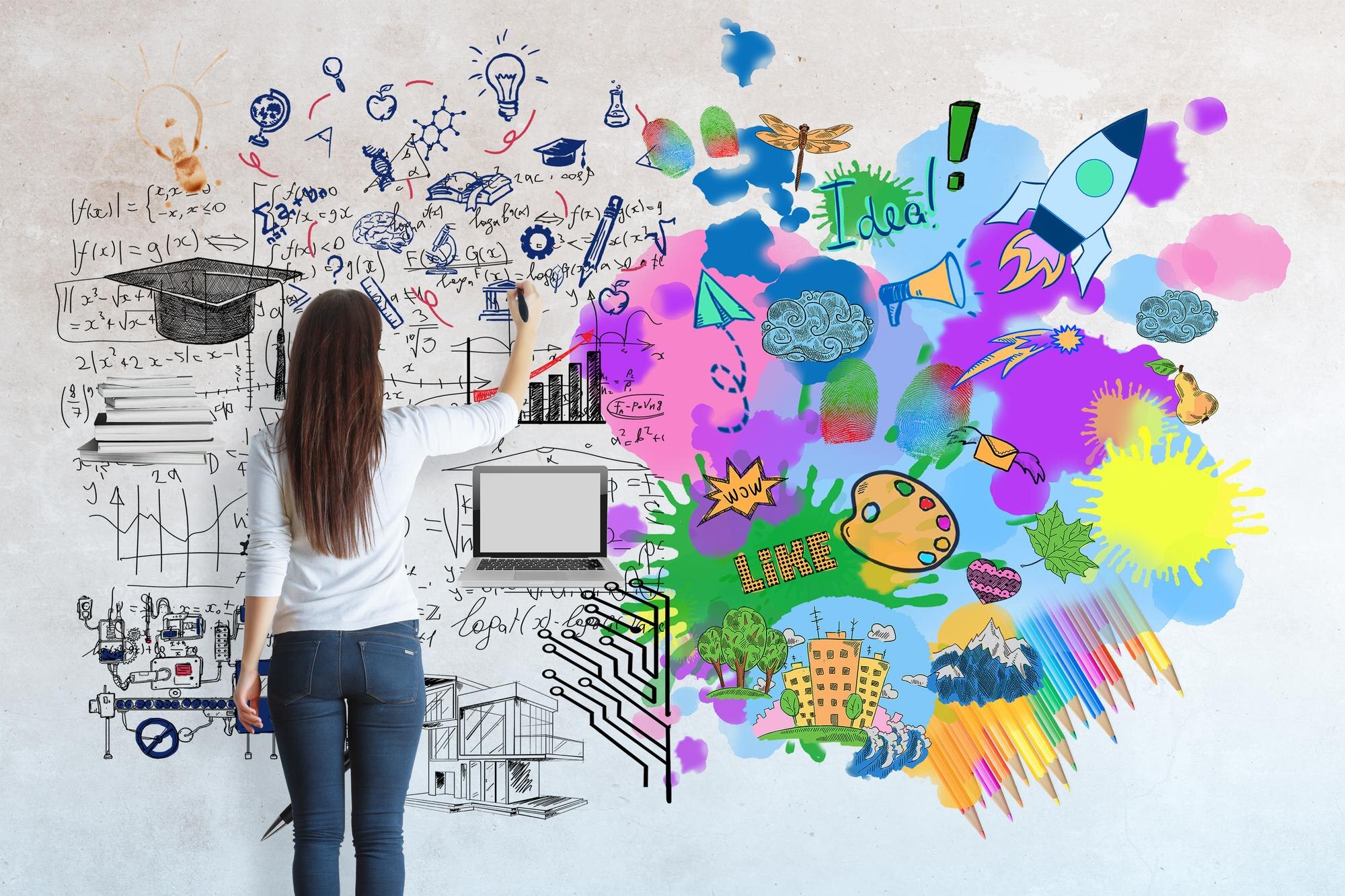
The heart of successful teaching lies in planning. By refining your approach, you can craft lessons that empower students and ease your workload.
Streamlining Lesson Objectives
Clarity is your best ally. Identify core objectives—what must students truly grasp? By narrowing focus, you teach what matters most. This approach not only benefits students but also frees up your time. For example, instead of covering every historical event, concentrate on key themes that illustrate the broader picture. This method ensures that students gain a deeper understanding without being overwhelmed. The OECD report highlights how focusing on essentials can combat curriculum overload.
Balancing Depth and Breadth
Teaching often feels like a tug-of-war between covering material and diving deep. Striking a balance is crucial. Begin by mapping out your curriculum, ensuring you allocate time for in-depth exploration of complex topics. This can be done by incorporating projects or discussions that encourage students to think critically about the subject matter. By doing so, students develop critical analysis skills while still covering necessary content. A strategic approach to planning can make this balance achievable, as detailed in this strategic planning guide.
Future-Focused Teaching Strategies

As we prepare students for an uncertain future, our teaching strategies must evolve. Let’s explore how to nurture skills that will stand the test of time.
Encouraging Critical Thinking
In a world flooded with information, the ability to think critically is invaluable. Encourage your students to question, analyse, and draw connections. Start with simple exercises, like analysing a news article, and gradually introduce more complex tasks like debates or group projects. These activities foster an environment where students learn to evaluate information critically and form reasoned conclusions. Most educators feel teaching facts is enough, but nurturing thinkers prepares students for real-world challenges.
Integrating Technology in Lessons
Technology can transform learning into an interactive adventure. Use tools like digital simulations or collaborative platforms to engage students. For instance, virtual labs allow students to experiment without the constraints of physical resources. Such tools not only make learning more engaging but also prepare students for a tech-driven world. This approach makes lessons more dynamic, breaking away from traditional methods. The ERIC article provides further insights into integrating technology effectively.
Leveraging Educational Resources
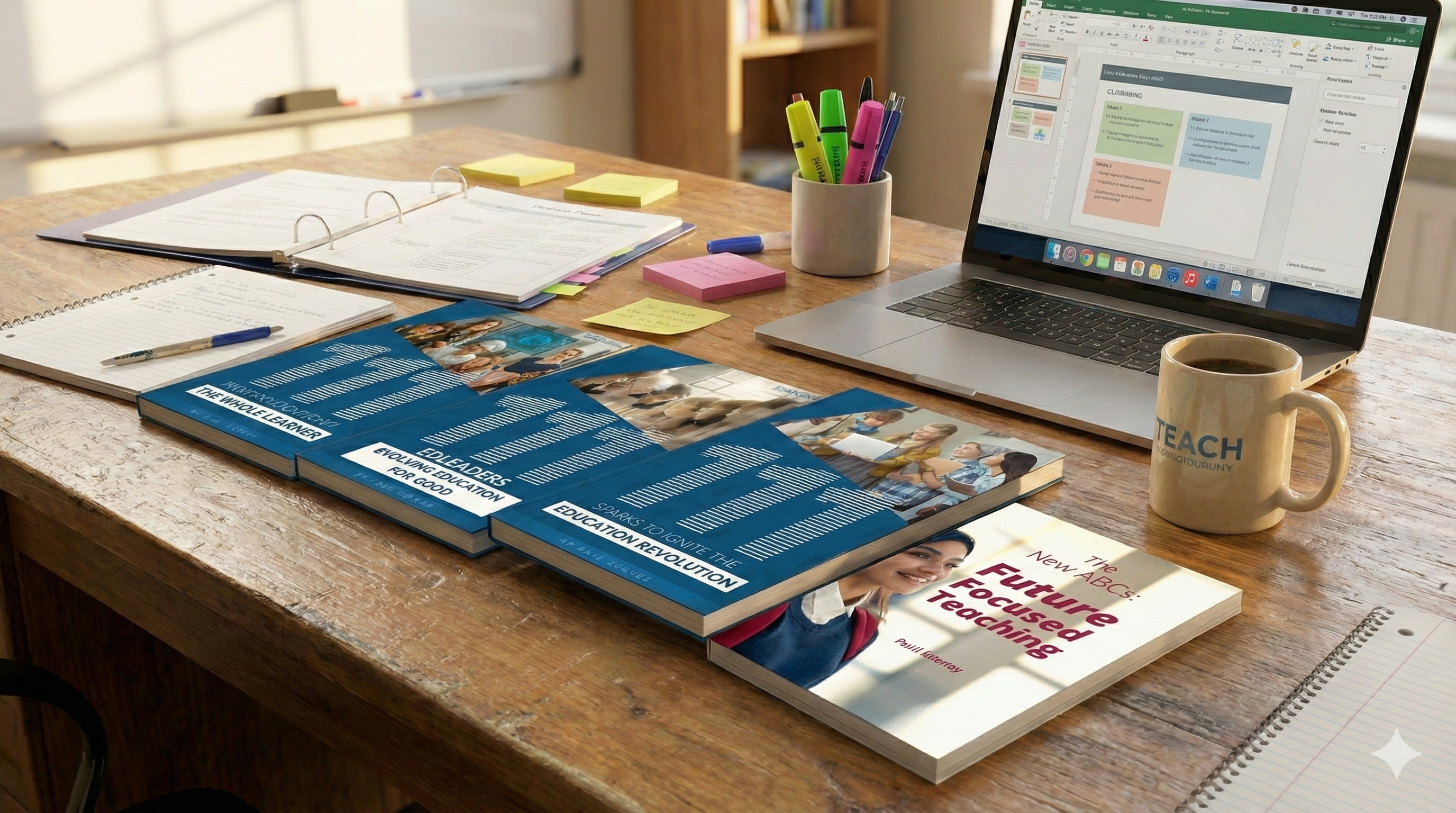
Resources are the backbone of teaching. Selecting the right ones can elevate your lessons to new heights.
Utilising Workbooks and Guides
Workbooks and guides can be a game-changer. They offer structured approaches that simplify lesson delivery. Choose resources that align with your objectives and adapt them to your students’ needs. For example, a workbook focused on problem-solving can help students apply what they’ve learned in practical scenarios. Such resources can lighten your load, providing a blueprint for effective lessons. For strategies on curriculum development, explore this guide.
Online Courses for Teachers
Professional growth is integral to teaching. Online courses offer a convenient way to learn new strategies and stay updated with educational trends. Look for courses that provide practical insights and tools you can implement immediately. For instance, courses on future-focused pedagogy can equip you with innovative methods to engage students. Continuing to learn and adapt keeps your teaching fresh and relevant, benefiting both you and your students.
📚✨
In conclusion, effective curriculum planning is not just about covering content but creating a learning experience that prepares students for the future. By refining your strategies, leveraging resources, and embracing technology, you can transform your classroom into a space where students thrive.
