


 Paul Slowey
Unlocking Student Potential: Strategies to Boost Engagement and Real-World Relevance
Most classrooms still struggle to keep students truly engaged and connected to what matters beyond school walls. You know the challenge: how to make learning feel relevant and spark real curiosity every day. Let’s explore teaching strategies that bring student engagement and real-world relevance together, helping you create lessons that prepare young minds for what’s next. Join our global community of educators and explore our resources to transform your teaching today! For more insights, visit this link.
Boosting Student Engagement

Creating a classroom environment where students are eager to learn is every teacher’s goal. Let’s dive into how interactive techniques and collaboration can make this happen.
Interactive Learning Techniques
Interactive techniques breathe life into lessons. When you involve students actively, their focus soars. Start with simple tech tools like online quizzes and interactive videos. These not only capture attention but also cater to various learning styles.
Consider game-based learning. Games encourage participation and make complex subjects approachable. Picture a history class where students role-play historical events. This method transforms passive learning into an engaging experience.
Another approach is peer teaching. Students often learn well from one another. Assigning topics for students to teach the class boosts confidence and understanding.
To explore more strategies fostering engagement, check out this blog.
Collaborative Classroom Activities
Teamwork can turn a dull lesson into an exciting discovery. Group projects allow students to learn from each other. Begin with small groups where everyone has a role. This structure ensures that each student contributes and learns.
Project-based learning (PBL) is an effective way to use collaboration. Students work together to solve real-world problems. For example, designing a community garden combines math, science, and social studies. This approach not only engages but also develops critical thinking skills.
Incorporate brainstorming sessions where no idea is too wild. This openness fosters creativity and encourages students to think outside the box.
For more on enhancing collaboration, visit Modern Campus.
Real-World Relevance in Education

Making learning relevant prepares students for the future. Let’s see how connecting lessons to real life can inspire students.
Connecting Curriculum to Careers
Building bridges between classroom topics and career paths ignites interest. When students see a direct link to their future, they’re more invested. Introduce career days where professionals share insights on how subjects apply in their fields.
Incorporate career-focused projects. For example, a math class could involve budgeting exercises. This not only teaches math skills but also financial literacy.
Expose students to internships or job shadowing. Experiencing workplaces firsthand provides inspiration and context for classroom learning.
Discover more ways to align curriculum with careers at Xello.
Integrating Real-World Challenges
When students tackle real-world issues, they learn more deeply. Start by identifying community problems that relate to your curriculum. Engaging in service learning projects helps students apply knowledge to real situations.
Use case studies to simulate real-world challenges. This method helps students think critically and develop solutions.
Encouraging students to present their solutions to local leaders or peers can boost their confidence and communication skills.
Find more about integrating real-world challenges in education at CMOHS.
Future-Focused Teaching Strategies
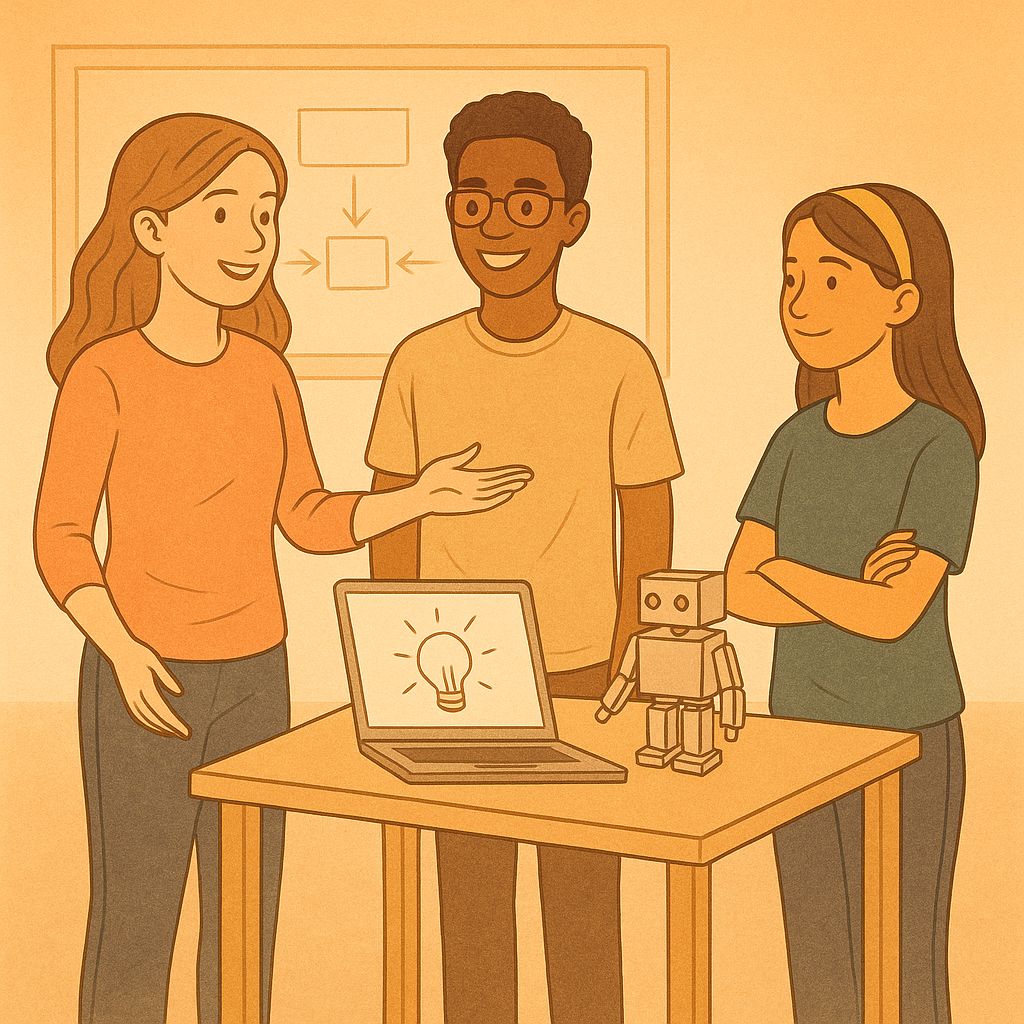
To truly prepare students, teaching must evolve. Here’s how technology and critical thinking can shape future-ready learners.
Embracing Technology in Education
Technology opens new doors for learning. Using virtual reality (VR) and augmented reality (AR) can transform abstract concepts into tangible experiences. Imagine exploring ancient civilizations in 3D or conducting virtual science experiments.
Coding is another crucial skill. Start with simple programs to introduce students to problem-solving and logic. This skill is not just for future tech jobs but also enhances analytical thinking.
Utilizing online platforms for collaboration connects students globally. This exposure to different cultures and ideas broadens their perspectives.
Encouraging Critical Thinking Skills
Critical thinking is vital in today’s world. Encourage students to question and analyze information. Use debates to foster this skill. Debates develop the ability to construct and defend arguments.
Introduce problem-solving exercises where students must think on their feet. Puzzles and logic games are fun ways to develop these skills.
Teach students to reflect on their learning. Reflection journals help students make connections and consider improvements in their thinking.
🌟
Incorporating these strategies not only boosts student engagement but also prepares them for a dynamic future. The key insight here is that education can be both engaging and deeply relevant when we connect it to the real world and future possibilities. Keep exploring, keep innovating, and watch your students thrive.
