


 Paul Slowey
Creating Collaborative Learning Environments That Mirror Real Life: A Guide for Educators
Forget the old classroom model where students sit quietly and absorb facts. Today’s learners need collaborative learning environments that reflect real-life skills to thrive beyond school walls. When you design spaces that encourage teamwork and problem-solving, you prepare students for challenges they will actually face. Join us as we explore practical ways to bring classroom collaboration to life and build future-focused teaching into every lesson.
Designing Collaborative Learning Spaces

Creating collaborative learning spaces means embracing the skills students will need in the real world. By redesigning classrooms, you empower students to engage actively. Let’s uncover how you can transform your space into a thriving learning hub.
Encouraging Real-Life Skills
Imagine a classroom where students actively exchange ideas, just like in a buzzing workplace. This is not just about moving desks around; it’s about fostering an environment that mirrors real-world job settings. When students work together, they develop essential skills like communication and teamwork. These are the abilities employers value the most.
Consider setting up stations where small groups tackle different challenges. Each student takes on a role, encouraging responsibility and leadership. This approach enables them to learn by doing, which is far more engaging than traditional lectures. A study revealed that 72% of students remember skills learned through interactive methods.
Moreover, collaborative spaces encourage creativity. When students bounce ideas off each other, innovation flourishes. Your classroom becomes a breeding ground for new thoughts and problem-solving strategies. By nurturing these skills, you’re preparing students for a future that demands adaptability and out-of-the-box thinking.
Strategies for Classroom Collaboration
Creating effective collaboration in the classroom requires intentional strategies. Start by incorporating group projects that mimic real-world scenarios. Assign roles like project manager or researcher to each student. This not only gives them a sense of ownership but also boosts their confidence in handling responsibilities.
Another strategy is using digital tools that facilitate collaboration. Platforms like Google Workspace allow students to work on shared documents simultaneously, fostering a sense of a digital office environment. This practice builds their tech-savvy skills, vital for the modern workplace.
Peer feedback is also crucial. Encourage students to assess each other’s work. This process teaches them to give and receive constructive criticism, a skill they will find invaluable in their careers. Regular reflection sessions where students discuss what worked well and what didn’t can enhance these learnings.
For more inspiration, explore this resource on setting up collaborative learning spaces. Each method empowers students to partake in their learning process actively, equipping them for the future.
Future-Focused Teaching Techniques
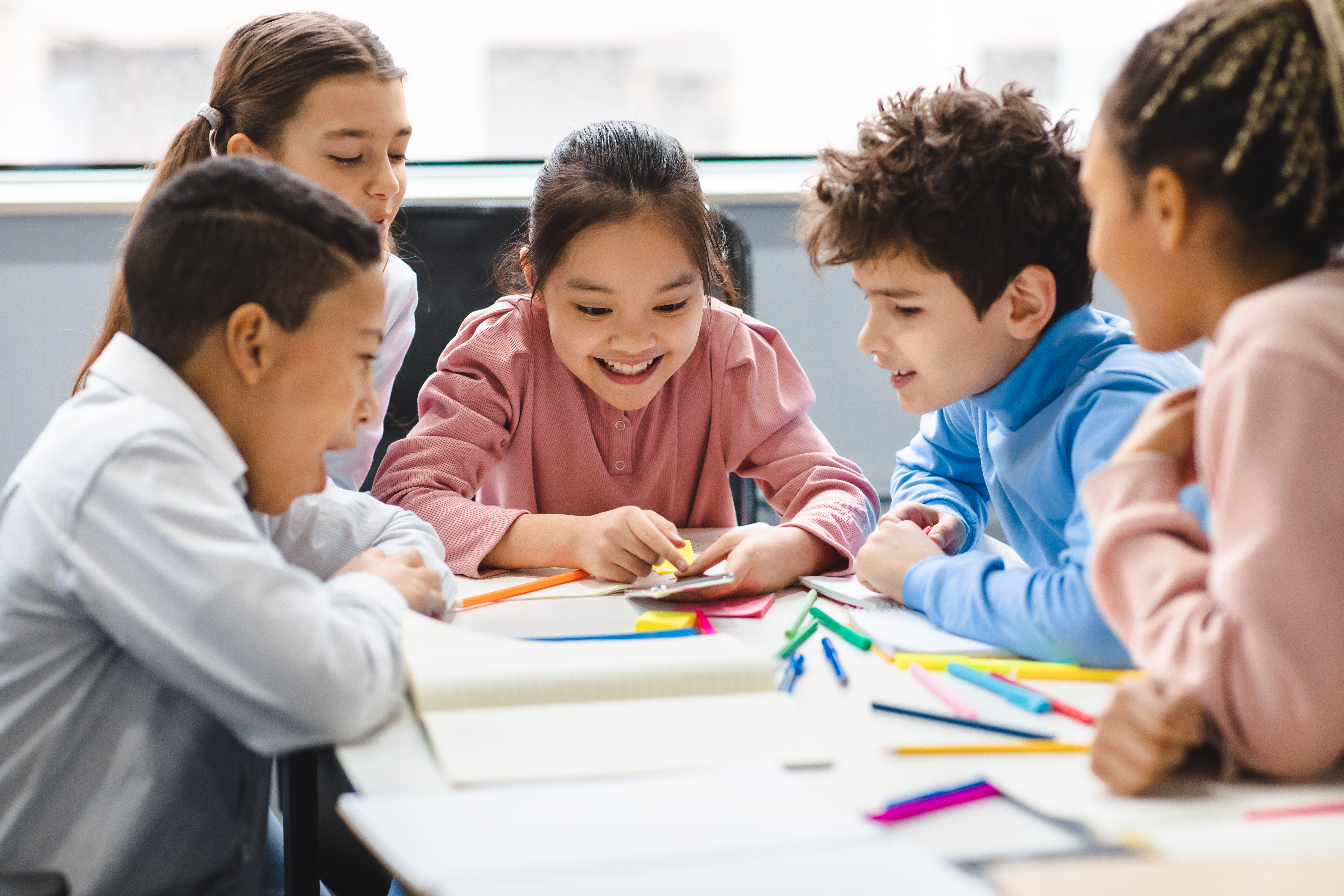
As we look toward the future, it’s crucial to equip students with relevant skills. Future-focused teaching techniques can transform how students learn and apply knowledge. Let’s dive into some approaches that can make a significant impact.
Practical Steps for Educators
To start, integrate project-based learning into your curriculum. Projects that connect to real-world problems ignite curiosity and drive. For instance, a class project on sustainable practices could have students develop their own eco-friendly products. This encourages ingenuity and concern for societal issues.
Flipped classrooms are another method. Here, students review material at home and apply it in class through activities. This approach shifts the learning responsibility to students, fostering independence. By discussing concepts in class, you guide them in applying knowledge, rather than passively consuming it.
Encourage inquiry-based learning by posing open-ended questions. This method pushes students to explore and research answers independently. It’s a powerful way to cultivate critical thinking and problem-solving skills. The outcome? Learners who are prepared to tackle complex challenges.
For more strategies, check this article that outlines practical steps for educators. Implementing these steps can transform your teaching practice and significantly benefit your students.
Engaging Resources for Teachers
The right resources can make a world of difference in teaching. Start by using online libraries and educational platforms that offer a wealth of materials for innovative teaching. Websites like Khan Academy provide free access to various subjects, making learning more accessible.
Consider joining professional networks where educators share experiences and resources. Platforms like Documind offer insights into collaborative strategies and are great for exchanging ideas with peers.
Interactive tools, such as Kahoot for quizzes or Padlet for brainstorming, keep students engaged. These resources allow for creativity and active participation, making learning fun and memorable. By leveraging these tools, you enrich your teaching methods and enhance student involvement.
Building a Community of Educators
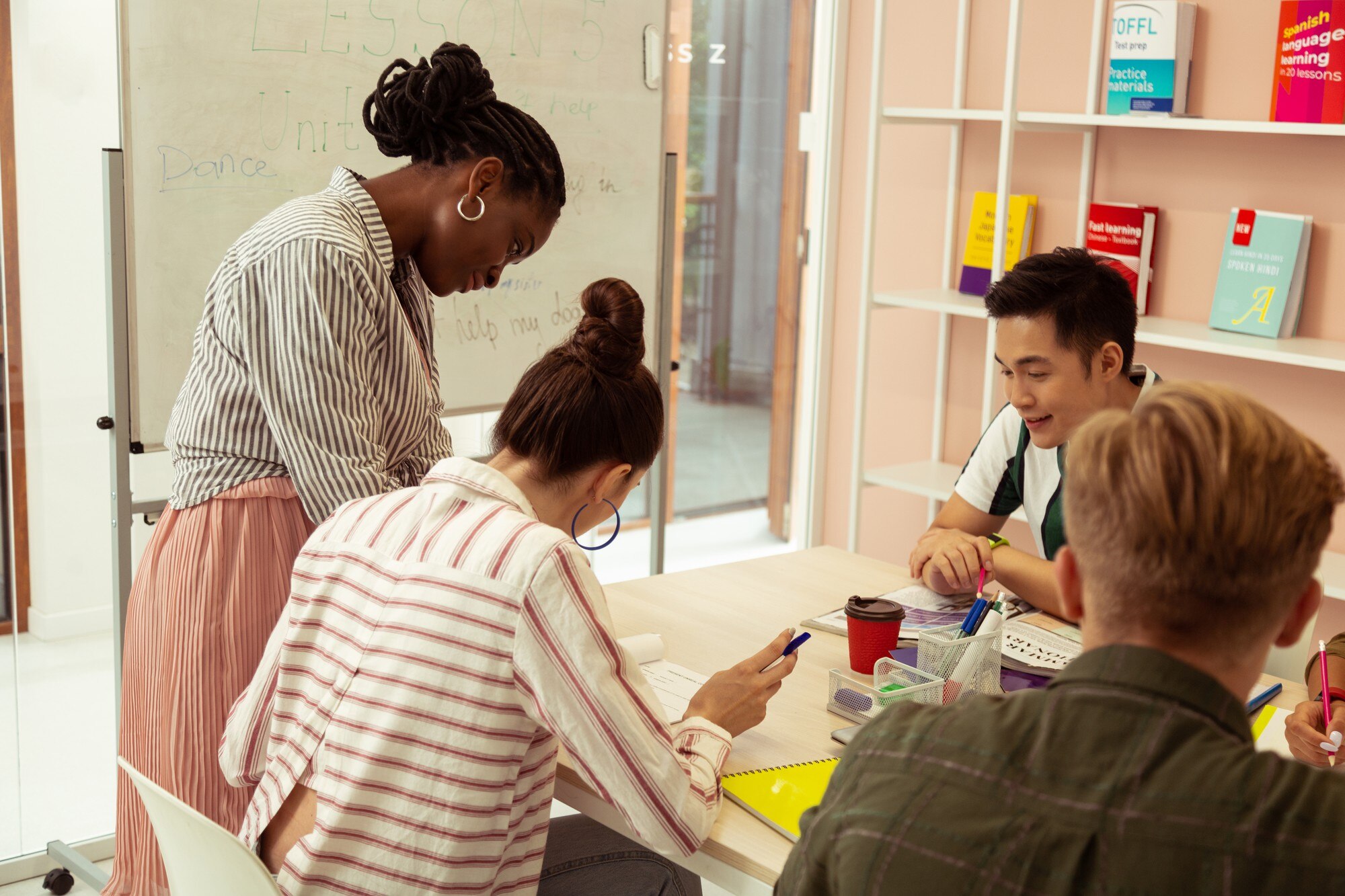
Developing collaborative learning environments isn’t just about the students; it’s also about the educators. Building a community of like-minded teachers fosters growth and support. Let’s explore how you can create and nurture such a community.
Sharing Success Stories
Sharing success stories within the teaching community breeds inspiration and motivation. When educators hear about effective strategies from their peers, it encourages them to try new things. Consider organizing regular meet-ups or online forums where teachers can exchange stories and advice.
Highlighting achievements, like improved student engagement or innovative projects, can spark ideas in other classrooms. It’s important to celebrate these victories, no matter how small they seem. This collective wisdom can lead to significant advancements in teaching practices.
Support and Growth Opportunities
Support networks are vital for continuous growth. Engaging in professional development programs allows teachers to learn new skills and stay updated with educational trends. Workshops and online courses provide a platform for this growth.
Encourage collaboration by forming peer groups within your school or district. These groups can work on joint projects or discuss challenges. The support from peers who understand the unique demands of teaching can be invaluable.
Explore opportunities through this network that connects educators worldwide. By building strong relationships, you create a supportive environment where everyone is committed to improving teaching and learning.
In summary, designing collaborative learning environments mirrors the skills students need for the future. By fostering real-world skills, employing future-focused teaching techniques, and building a supportive educator community, you equip students for success. Let’s continue to innovate and inspire in our teaching journey.
