


 Paul Slowey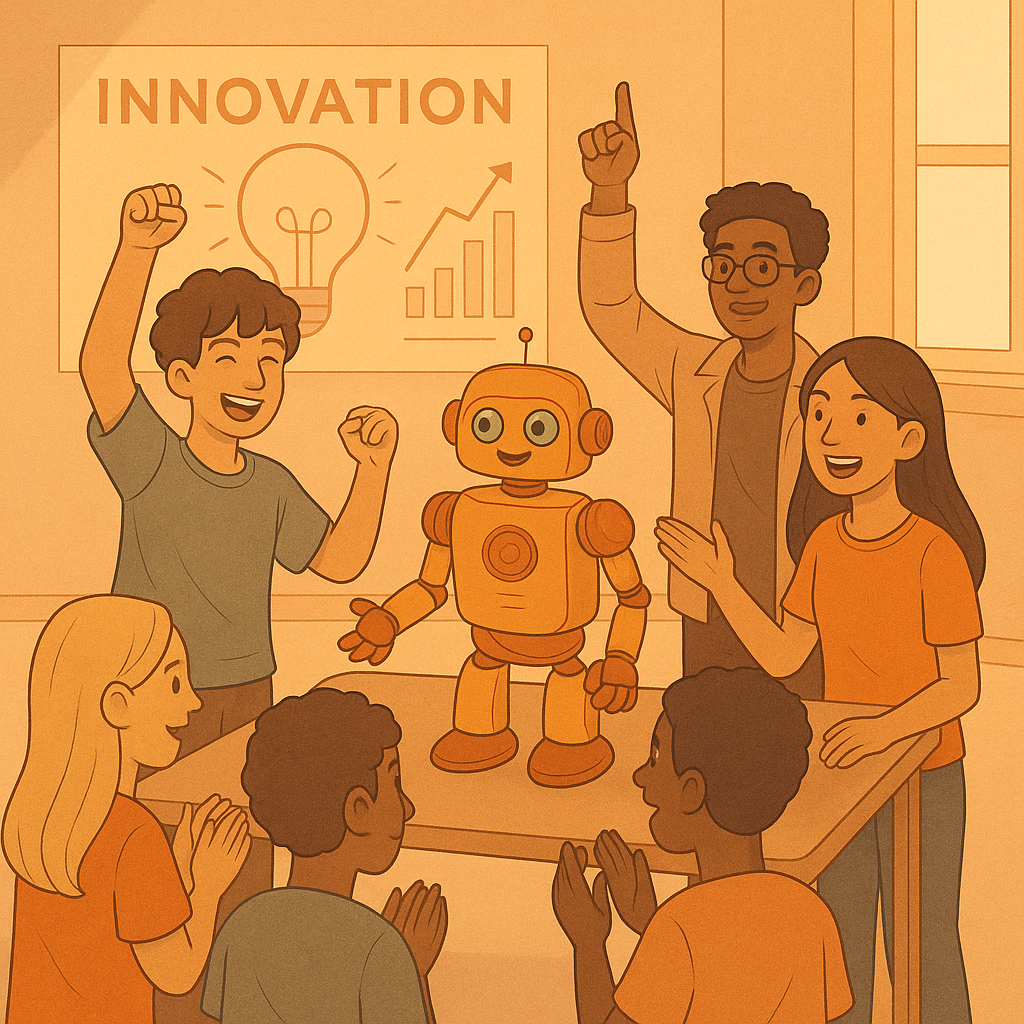
Balancing Creativity and Responsibility: A Modern Classroom Approach
Creativity in education often feels at odds with the demand for structure and standards. Many educators wrestle with this tension daily, trying to spark imagination without losing focus on clear learning goals. In this post, you’ll find modern classroom strategies that respect both creativity and responsibility—helping you craft lessons that inspire and deliver. Explore our Future-Focused Teaching resources to transform your classroom into a hub of creativity and responsibility.
Fostering Creativity in Education
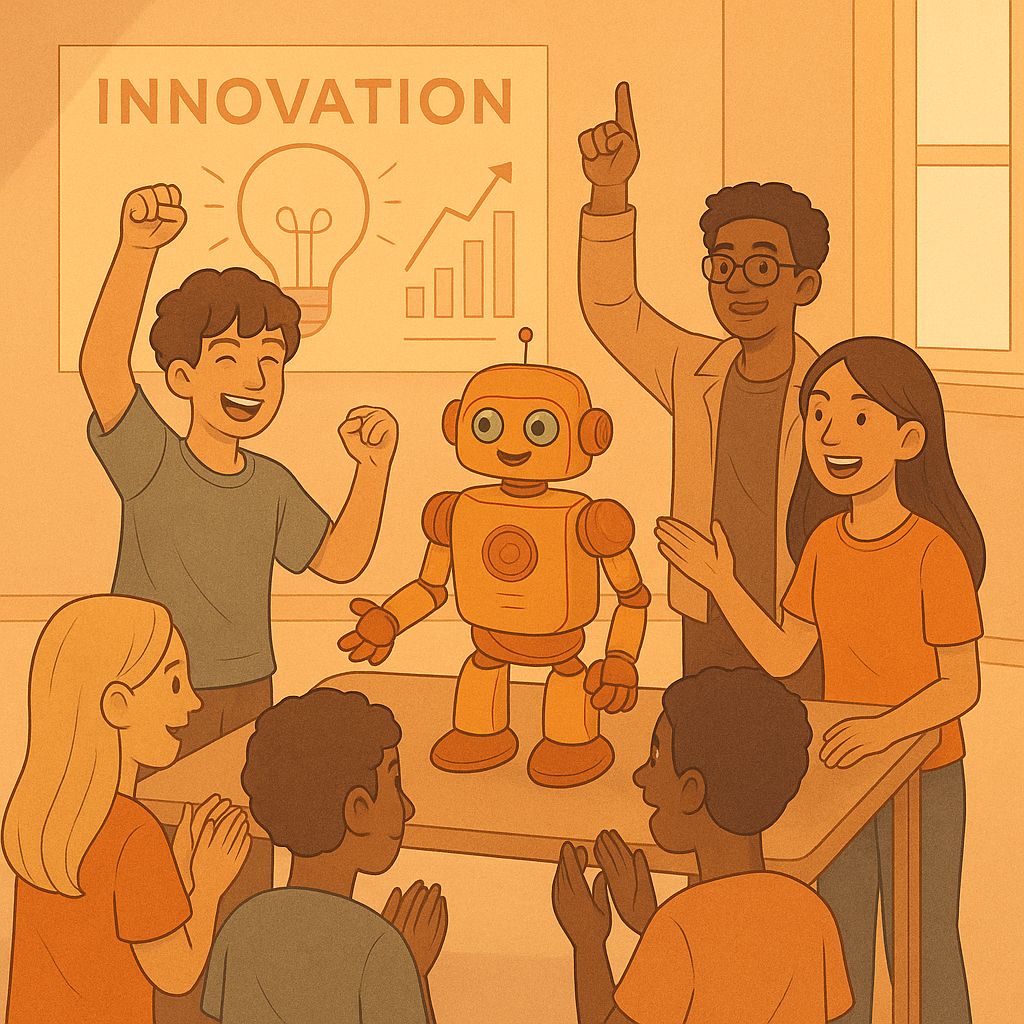
In a world of rapid change, sparking creativity in education becomes essential. It’s not just about making art or music; it’s about original thought and problem-solving.
Encouraging Original Thought
Encouraging original thought in the classroom means giving students the freedom to explore ideas. Imagine a classroom where students feel they can question and suggest. One teacher set up a “question corner” where students post questions they ponder throughout the week. This simple practice led to lively discussions and deeper thinking. Curiosity becomes the stepping stone to innovation. Use these ideas to cultivate an environment where new thoughts are not just accepted but celebrated.
Creative Problem Solving in Class
When you introduce creative problem-solving, students see challenges as opportunities. One technique is to use real-world problems. Suppose a class attempts to address local environmental issues. Students might brainstorm solutions and test them within their community. This approach not only teaches problem-solving but also fosters a sense of responsibility. Hands-on projects encourage students to apply knowledge in creative ways. They learn that there’s often more than one way to find a solution.
Balancing Responsibility with Standards
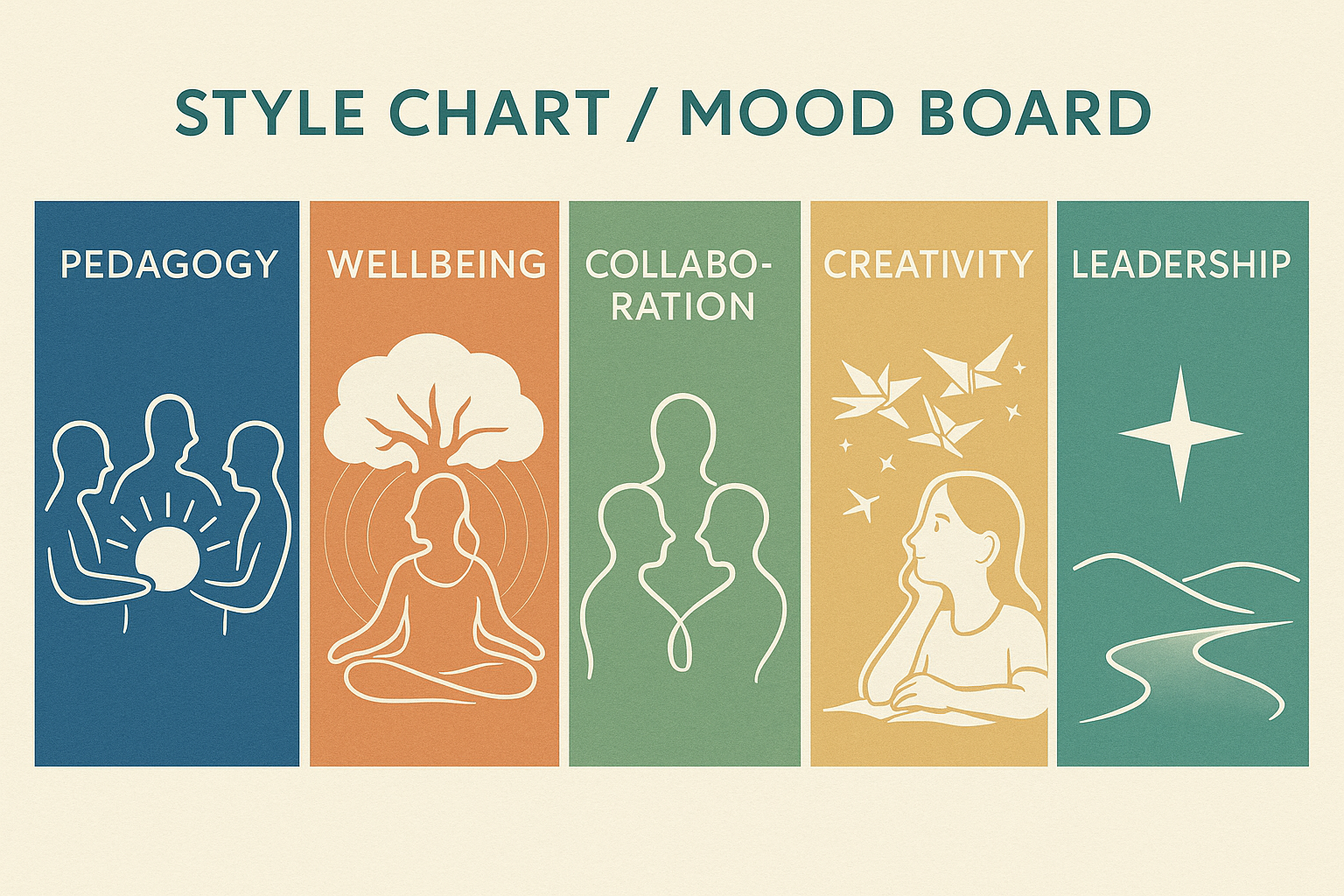
While creativity is vital, balancing it with educational standards is equally important. This ensures students meet academic benchmarks while exploring creative avenues.
Meeting Educational Benchmarks
Meeting educational benchmarks doesn’t mean sacrificing creativity. Integrate it with your lesson plans by aligning creative tasks with curriculum goals. For instance, a history teacher could have students create a short film about a historical event. Not only does this meet learning goals, but it also allows students to express their understanding uniquely. Look for ways to incorporate artistic expressions and storytelling to make learning standards more engaging.
Addressing Diverse Student Needs
Every student learns differently, which means diversity in teaching approaches benefits all. By understanding individual strengths, you can tailor tasks that resonate with each student. Use varied materials, like videos and interactive tools, to engage different learners. Personalised learning plans can address the needs of both the creative thinker and the methodical learner, ensuring no student is left behind.
Modern Classroom Strategies for Future-Focused Teaching

Future-focused teaching strategies are essential in preparing students for an ever-changing world. These strategies aim to develop critical thinking and adaptability.
Integrating Future Skills
Integrating future skills means teaching beyond the textbook. Critical thinking, collaboration, and adaptability are crucial for today’s learners. Start by incorporating group projects that require students to work together towards a common goal. This encourages students to think critically and collaboratively, preparing them for real-world challenges. Find out more about cultivating these skills from this resource.
Teacher Resources for Educational Innovation
Embracing educational innovation means having the right resources. Access to online courses, workshops, and teaching communities can provide fresh ideas and support. Platforms like Edutopia offer valuable insights into cultivating creativity within standard-based frameworks. Engaging in these communities can bring new inspiration and methods to your teaching practice, proving that learning is a never-ending journey.
👩🏫✨
This approach to balancing creativity and responsibility in education not only enhances student engagement but also equips them with the skills needed to thrive. Implement these strategies today to transform your classroom into a dynamic and inspiring space.
