


 Paul Slowey
Building Strong Professional Learning Communities: The Key to Future-Focused Education
Building strong professional learning communities isn’t just a nice idea—it’s what separates schools that prepare students for tomorrow from those stuck in outdated routines. When educators collaborate deeply, they spark fresh approaches that put future-focused education within reach. In this post, you’ll learn how to create and nurture these communities, turning your teaching environment into a place where both teachers and learners thrive. Join our global community of educators today and transform your teaching environment! Learn more here.
Cultivating Professional Learning Communities
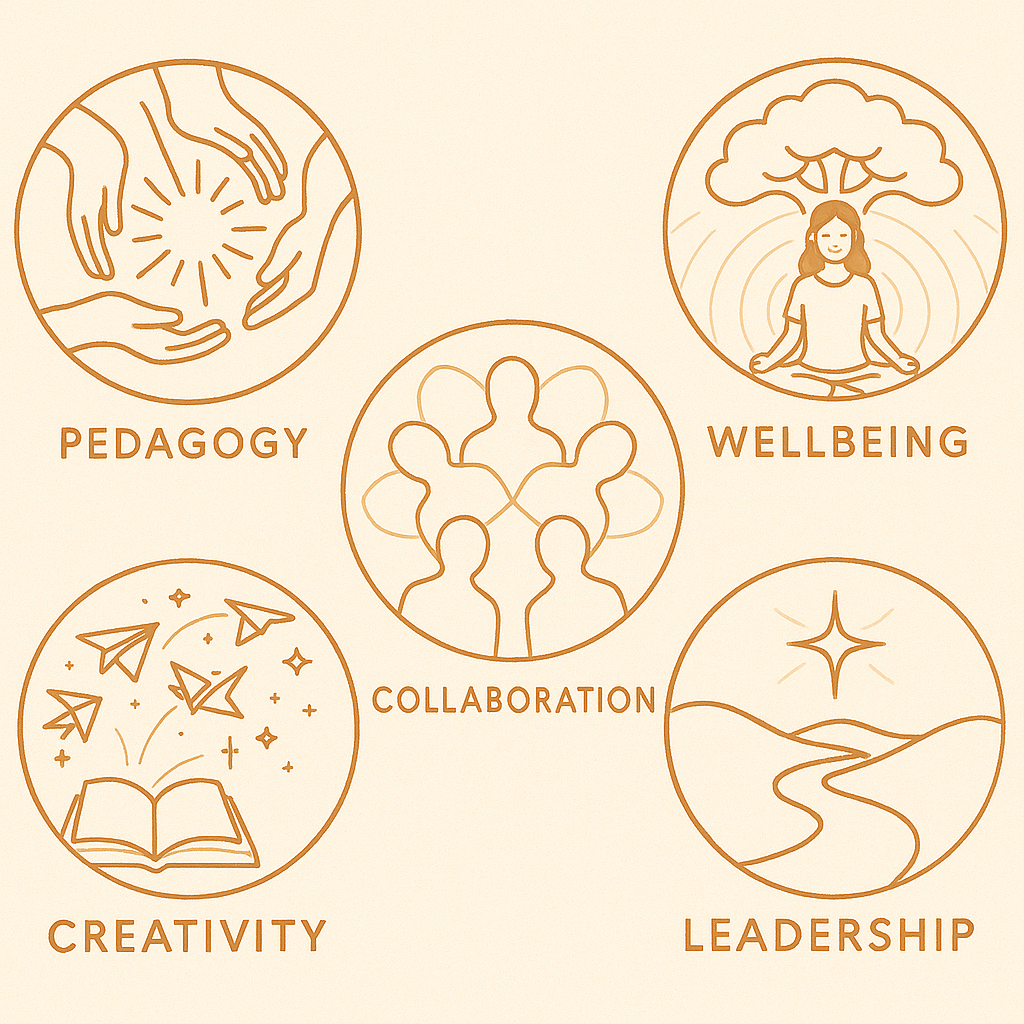
Creating a community of educators is more than just sharing a workspace—it’s about fostering growth and innovation. Here’s where the magic begins.
Fostering Teacher Empowerment
Imagine a place where your voice is heard and valued. That’s the essence of teacher empowerment. In these communities, every educator has the chance to lead and innovate. You might start by sharing a successful lesson plan or a creative classroom activity. Your insights could ignite a spark in someone else’s teaching practice.
Here’s the key insight: when teachers feel empowered, they’re more likely to experiment with new methods. This flexibility leads to improved student outcomes. Consider setting up regular meetings where you and your colleagues can discuss challenges and triumphs. This open dialogue not only strengthens your community but also bolsters your confidence as an educator. According to a study, empowered teachers often see a 20% increase in student engagement.
Building Collaborative Networks
Connections are the backbone of any vibrant educational network. Think of your school as a web of potential collaborations. Maybe you’ve got a knack for integrating technology in lessons, while your colleague excels in student engagement strategies. By pooling your strengths, you can create a powerhouse of resources.
Here’s a common belief: many assume collaboration is time-consuming. But, in reality, structured and purposeful collaboration can save time and energy in the long run. By sharing resources and strategies, you reduce redundancy and enhance creativity. For example, a science teacher might team up with a history teacher to design an interdisciplinary project, providing students with a richer learning experience. For more strategies, check out these best practices for professional learning communities.
Future-Focused Education Strategies

As we move forward, the focus on education must shift to prepare students for the future. Let’s dive into how schools can adapt to these changes.
Embracing Change in Schools
Change is the only constant. Rather than resisting it, schools must learn to embrace it. This might mean incorporating new technologies or adopting innovative teaching methods that better align with today’s digital world. It’s about being proactive rather than reactive.
Consider this: students today will enter careers that might not even exist yet. Schools must adapt by integrating skills like critical thinking and problem-solving into their curriculums. One strategy is to bring in guest speakers from various industries to provide real-world perspectives. Most people think traditional education is enough, but future-focused education demands adaptability and foresight. The longer you wait to implement these changes, the more you risk falling behind.
Preparing Students for Tomorrow
Preparing students for tomorrow means equipping them with the right skills today. Focus on cultivating abilities like resilience and adaptability. These are the skills that will carry them through unknown challenges. For instance, project-based learning can be an effective way to simulate real-world scenarios.
Here’s the key insight: projects that encourage collaboration and innovation help students learn by doing, rather than merely observing. This approach not only enhances their learning but also boosts their confidence. A study showed that students in project-based environments demonstrated a 25% increase in knowledge retention. For more ideas, explore these strategies for building a professional learning community.
Join the Global Educational Community

The educational landscape is vast, but joining a global community can provide support and inspiration. Let’s explore how you can connect and grow.
Connect with Like-Minded Educators
Connecting with fellow educators from around the globe opens doors to new perspectives and ideas. It’s about building a network that supports and challenges you. Consider joining online forums or attending international conferences where ideas are exchanged freely.
Most people think connecting globally is daunting, but with the right platforms, it’s easier than ever. By participating in discussions with educators from different backgrounds, you gain insights that can transform your teaching practice. These connections can be the catalyst for change in your classroom. For more insights, see 10 strategies for building a professional learning community.
Resources for Innovative Teaching Methods
In your quest for innovation, having the right resources at your fingertips is crucial. Whether it’s new teaching techniques or the latest educational tools, access to these resources can make a significant difference.
Here’s a common assumption: resources are scarce and hard to find. But, with a little exploration, you can uncover a treasure trove of tools designed to enhance your teaching. Websites, educational blogs, and online courses offer a wealth of knowledge. By regularly updating your toolkit, you ensure your teaching methods remain fresh and effective. Dive into comprehensive resources available at ERIC Education Resources.
🌟✨📚
