


 Paul Slowey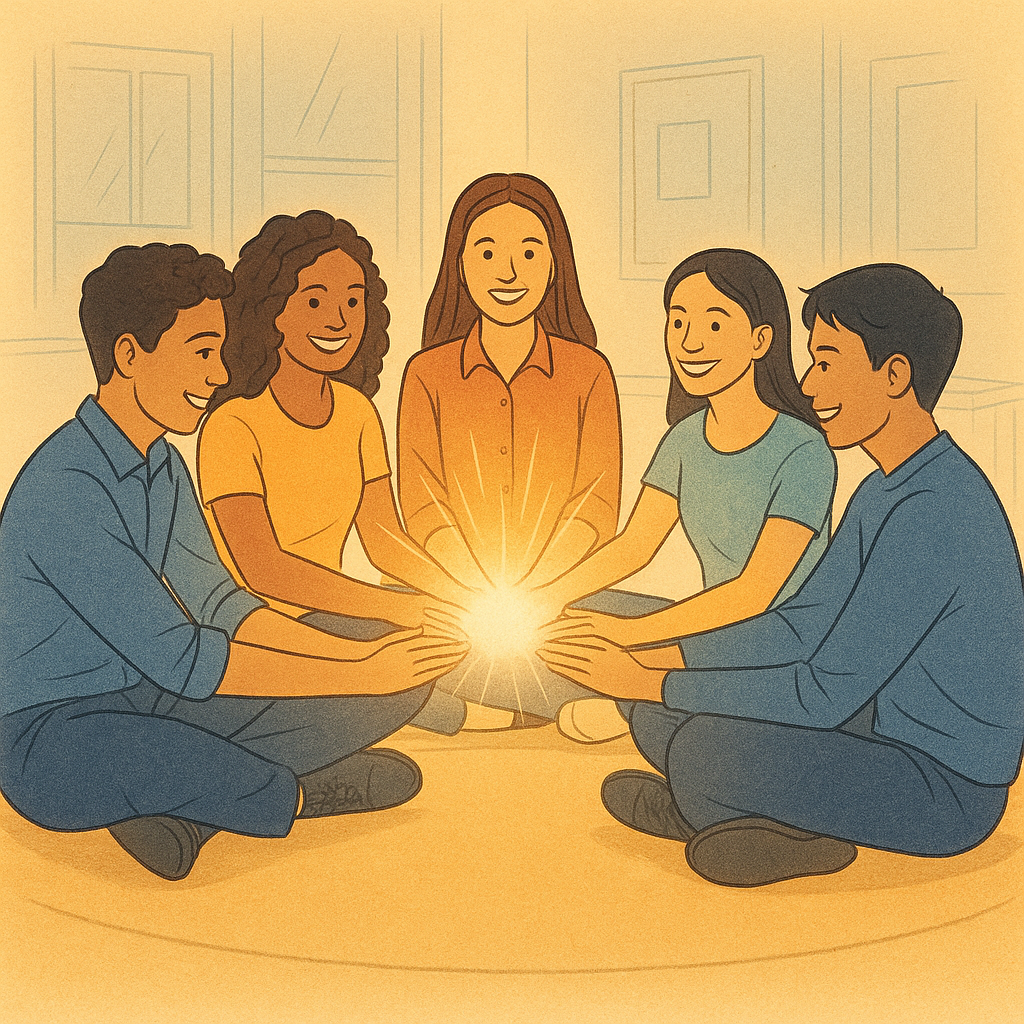
Creating Inclusive Classrooms: Strategies for Every Educator
Creating an inclusive classroom isn’t just a goal—it’s a necessity for meaningful learning today. When your teaching strategies embrace diverse learning styles, every student finds a place to thrive and contribute. In this post, you’ll find practical ways to build equitable education that sparks student engagement and honours classroom diversity. Ready to reshape your approach and prepare learners for what’s ahead? Visit this resource for more insights.
Fostering an Inclusive Classroom
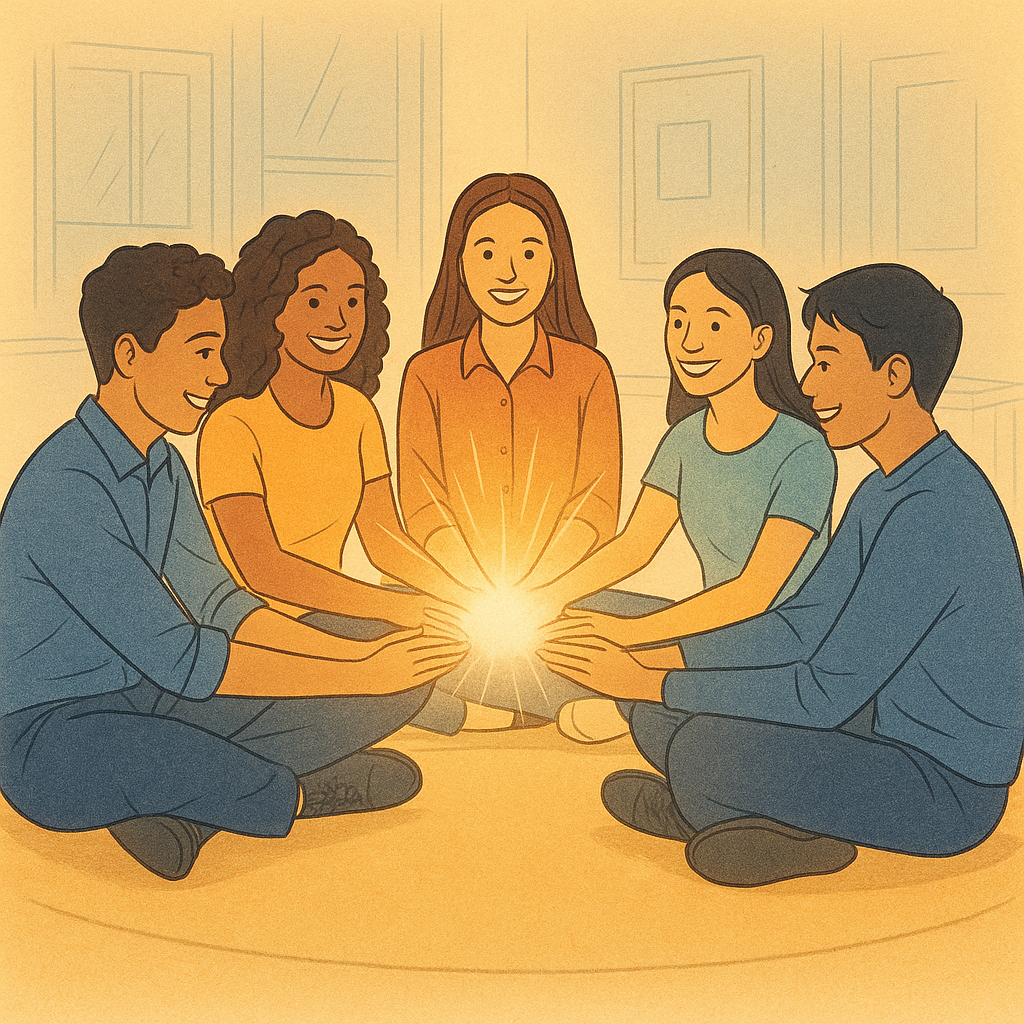
An inclusive classroom serves as the foundation for all students to feel valued. It sets the stage for mutual respect and understanding among learners, facilitating a positive learning experience.
Building a Supportive Environment
Creating a supportive space starts with understanding each student’s unique needs. Think about how you can make your classroom welcoming for everyone. Use flexible seating arrangements to cater to different learning preferences. Encourage open communication by holding regular class meetings where students can voice their ideas and concerns.
Consider integrating stories or role-playing scenarios where students explore different perspectives. This can promote empathy and understanding. For example, a student might share a story about a cultural festival they celebrate, and others can ask questions and learn about its significance. These activities not only build cultural awareness but also strengthen classroom bonds.
Explore more ways to build an inclusive environment.
Encouraging Classroom Diversity
Diversity in the classroom enriches the learning experience. Celebrate it by incorporating diverse materials and resources in your teaching. Use books and media from different cultures to show varied perspectives. When students see themselves reflected in the curriculum, it fosters a sense of belonging and motivation.
Invite guest speakers from different backgrounds to share their experiences. This not only educates but also inspires students to appreciate diversity. A great example is inviting a local artist to discuss their cultural heritage and how it influences their work. Students gain insight into different cultures and creative processes.
Promoting Equitable Education
Equitable education ensures that all students have access to the same opportunities. Tailor your teaching methods to address individual learning styles. For instance, use visual aids for visual learners and interactive activities for kinesthetic learners.
Assess students using varied methods. Instead of relying solely on written exams, consider project-based assessments or oral presentations. This approach recognises different strengths and allows students to demonstrate their knowledge in various ways.
Learn more about equitable education practices here.
Practical Teaching Strategies

Equipping yourself with practical strategies enhances your ability to engage all learners effectively. Let’s delve into some methods that cater to diverse needs and promote active participation.
Engaging Diverse Learners
Engagement is key to learning. Start by knowing your students’ interests. Incorporate these interests into lessons to make learning relevant. For example, if your class loves sports, use sports statistics to teach math concepts. This not only captures their attention but also makes learning enjoyable.
Interactive technology, like educational apps or games, can also boost engagement. Use platforms that allow students to collaborate on projects, fostering teamwork and communication skills.
Adapting Lessons for Inclusivity
Adapting lessons involves modifying content to suit diverse learning needs. Use differentiated instruction by providing various paths for students to explore a topic. This might mean offering reading materials at different levels of complexity for a history lesson.
Consider using visuals, audio, and tactile materials to cater to different learning preferences. For example, when teaching a new language, combine vocabulary lists with images and audio pronunciations. This multi-sensory approach helps students retain information better.
Encouraging Student Engagement
Student engagement thrives in an interactive environment. Encourage participation by asking open-ended questions that spark curiosity. Promote group work to allow students to learn from each other.
Implement a ‘think-pair-share’ strategy where students think about a question, discuss with a partner, and then share with the class. This technique not only enhances understanding but also builds confidence in speaking publicly.
Future-Focused Education
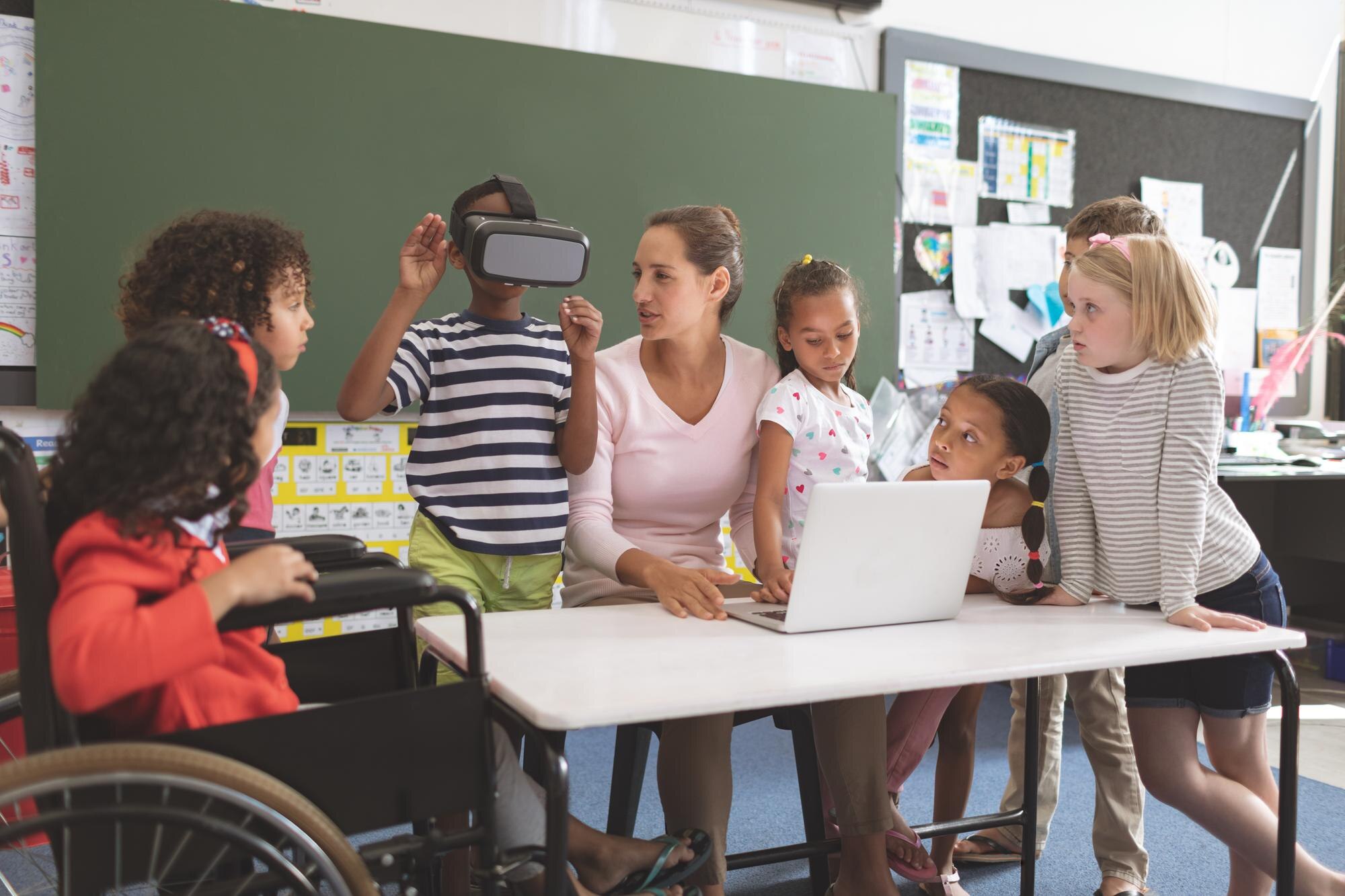
As we look to the future, it’s essential to prepare students not just for exams, but for life beyond the classroom. This involves cultivating a community of learners and embracing teaching practices that equip students for future challenges.
Cultivating a Community of Learners
Creating a community where students support each other enriches the learning experience. Encourage collaborative projects that require teamwork and collective problem-solving. Use peer feedback sessions where students evaluate each other’s work constructively. This builds a sense of responsibility and mutual respect.
Organise class discussions on current events, allowing students to express their opinions and learn from diverse viewpoints. This practice not only builds critical thinking skills but also prepares them for real-world discussions.
Preparing Students for Future Challenges
Preparing students for the future means equipping them with skills beyond academics. Emphasise critical thinking, creativity, and adaptability. Use real-world problems as learning opportunities. For instance, a project on environmental issues encourages students to research, propose solutions, and present their findings.
Integrate technology in lessons to familiarise students with digital tools they’ll encounter in their careers. Teach them how to evaluate online information critically, a vital skill in today’s information-rich world.
Explore ways to prepare students for future challenges here.
Embracing Innovative Teaching Practices
Innovation in teaching keeps education relevant. Stay updated with new educational technologies and methodologies. Experiment with blended learning, where traditional teaching is combined with online resources. This approach caters to different learning styles and paces.
Join professional development workshops to learn new strategies and share your experiences with peers. Building a network of educators fosters collaboration and idea exchange, keeping your teaching practice dynamic and effective.
🌟📚🚀
By embracing these strategies, you can create a classroom environment where every student feels valued and empowered. The journey towards inclusive education is ongoing, but the benefits are profound. Let’s inspire change and shape the future together.
