


 Paul Slowey
Unleashing Creativity: Shaping Tomorrow’s Thinkers Today
Creativity in education isn’t a luxury—it’s the key to preparing students for tomorrow’s challenges. Too often, teaching methods overlook this vital skill, leaving learners unprepared for a complex world. In this post, you’ll find practical ways to bring creative classrooms to life, boosting student engagement and shaping thinkers ready for the future. Explore our innovative courses and resources to transform your classroom into a hub of creativity and future-focused learning. Learn more about the importance of creativity in education here.
Embracing Creativity in Education
The Power of Creative Classrooms
Imagine a classroom where students are not just absorbing information but actively creating it. That’s the power of a creative classroom. When students use their imagination, they engage more deeply with the material. Creativity in education encourages students to think outside the box, fostering problem-solving skills that are crucial for real-world success.
A creative classroom isn’t just about art and music. It’s about integrating creativity into every subject. Picture a science class where students design their own experiments or a history lesson where learners create a play about the past. This approach makes learning exciting and memorable.
Creative classrooms also adapt to different learning styles, helping all students succeed. By valuing creativity, educators prepare students for a future where innovation is key. Most people think traditional methods work best, but creative classrooms prove otherwise. Discover more about why creativity is crucial in education.
Future-Focused Learning Approaches
To prepare students for the future, we need to rethink how we teach. Future-focused learning shifts the focus from rote memorisation to critical thinking and adaptability. This approach equips students with the skills to navigate an ever-changing world.
Instead of memorising facts, students learn how to find and use information effectively. This empowers them to tackle new challenges with confidence. Consider a project-based learning environment where students collaborate to solve real-world problems. Such experiences teach teamwork, communication, and resourcefulness.
Future-focused learning also emphasises digital literacy, ensuring students are comfortable with technology. This is crucial as digital tools become more prevalent in every industry. By embracing these methods, educators can create a learning environment that not only meets today’s needs but also anticipates tomorrow’s. Explore why teaching creativity is more important than ever.
Innovative Teaching Methods
Engaging Students Through Creativity
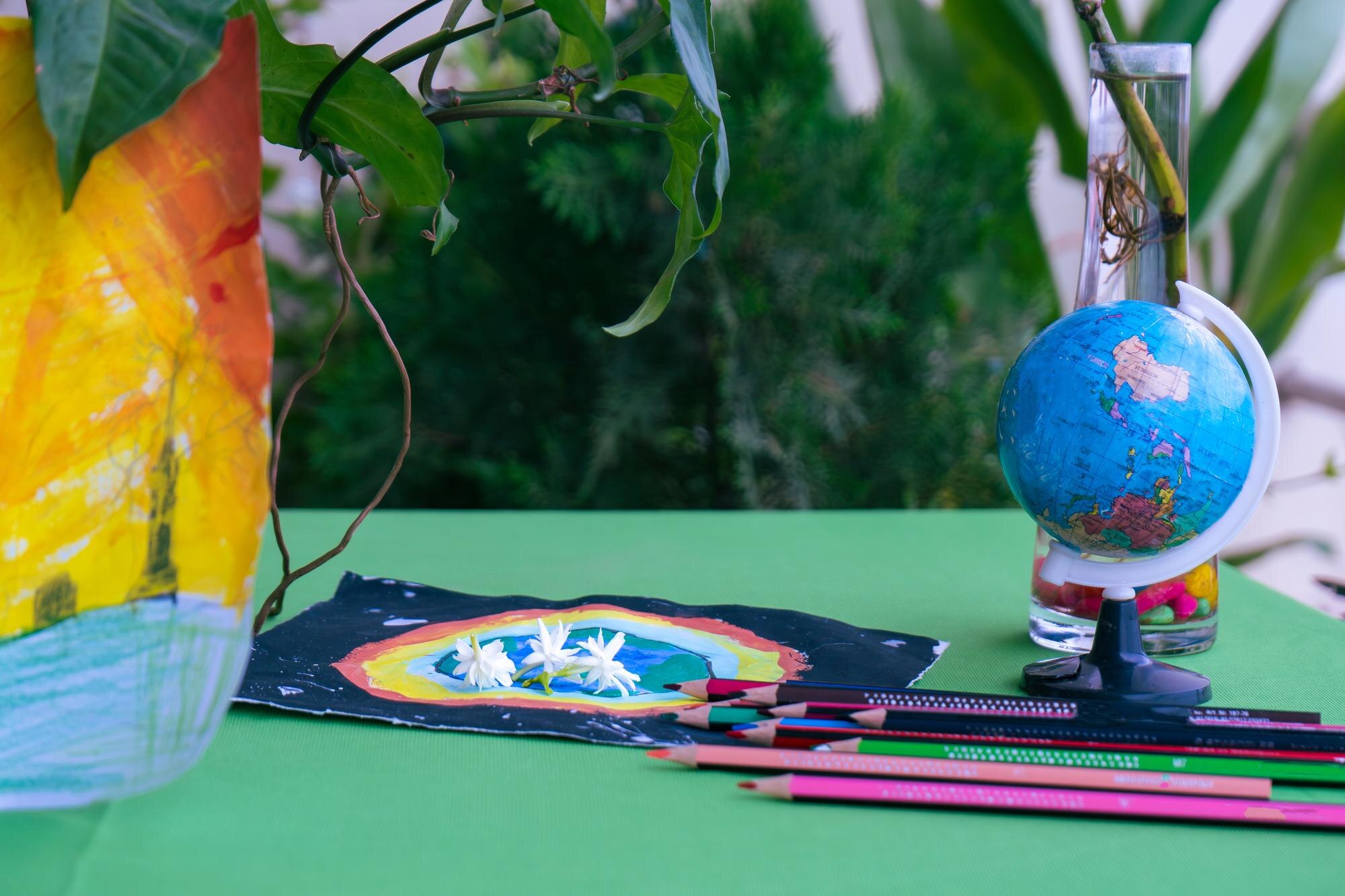
Keeping students engaged can be challenging, but creativity offers a solution. When lessons are creative, students become active participants. They are more likely to retain information and develop a love for learning.
Start by incorporating storytelling into your lessons. Stories capture attention and make complex topics relatable. For instance, teaching math through real-life scenarios can help students grasp difficult concepts. Another method is using games, which make learning fun and interactive.
Don’t underestimate the power of questions. Encourage students to ask and explore their own questions. This fosters a sense of curiosity and drives deeper learning. Remember, creative teaching methods aren’t just for the arts. They can be applied to any subject, making even the most technical topics engaging. Read more on how creativity boosts learning.
Resources for Creative Educators
Educators need resources to make creativity a core part of their teaching. Luckily, there are plenty available. Online platforms offer lesson plans, workshops, and communities dedicated to creative education.
Consider joining forums where teachers share their successes and challenges. These communities provide support and inspiration. Additionally, many websites offer free tools and activities designed to spark creativity in students.
Books and articles are also valuable. They offer insights into innovative teaching methods and the latest research on creativity’s role in education. By staying informed, educators can continuously improve their teaching strategies. Discover why creativity is just as important as literacy.
Building a Community of Educators

Collaborating for Future Success
Collaboration among educators is vital for fostering creativity in the classroom. When teachers share ideas, they can develop new strategies that benefit all students. A collaborative community also provides support, helping educators overcome challenges.
Joint projects between schools can enhance learning experiences. Imagine students from different regions working together on a science project. This not only broadens perspectives but also teaches valuable communication skills.
Professional development workshops are another way to collaborate. They offer opportunities to learn from peers and experts. By participating in these events, educators can stay at the forefront of educational innovation. The longer you wait to join these communities, the more opportunities you miss to enhance your teaching.
Inspiring Change with New ABCs 📚✨
Change starts with small steps, and the New ABCs of education provide a roadmap for inspiring transformation. These principles focus on adaptability, creativity, and collaboration. By embedding these values into your teaching, you prepare students to thrive.
Begin by integrating creative activities into your daily lessons. Encourage students to think critically and question assumptions. Use technology to enhance learning, not just as a tool for information delivery.
Remember, the goal is to create a classroom environment where students are excited to learn. By fostering curiosity and creativity, you inspire them to become lifelong learners ready to tackle future challenges. Embracing these new principles can lead to a brighter educational future for all.
In summary, creativity in education is not just beneficial—it’s essential. By embracing creative classrooms, future-focused methods, and community collaboration, educators can equip students with the skills they need for tomorrow’s world. Take the leap and start integrating these approaches today!
