


 Paul Slowey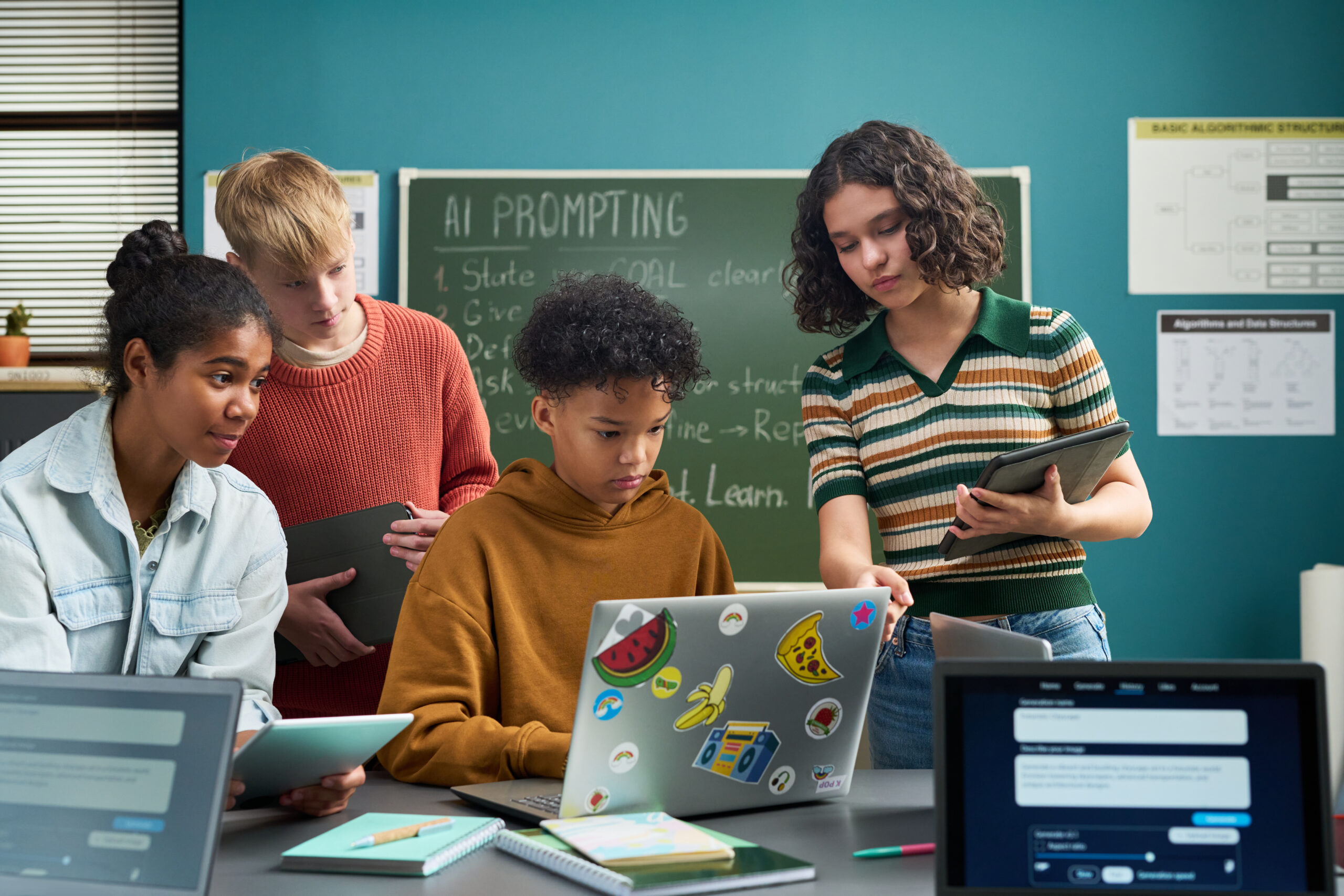
Embracing the Future: Teaching Strategies for Tomorrow’s World
Forget the old teaching playbook—it won’t prepare students for tomorrow’s challenges. You know that future-focused teaching demands fresh strategies that spark creativity and sharpen critical thinking. In this post, you’ll find practical approaches to build creative classrooms and cultivate 21st-century skills your students truly need. Explore our courses and resources to transform your classroom into a hub of future-focused learning today! https://tilt.colostate.edu/prodev/teaching-effectiveness/tef/instructional-strategies/
Future-Focused Teaching Strategies
Future-focused teaching is about equipping students with the skills they need to thrive. By prioritising creativity and critical thinking, educators can help students become adaptable thinkers ready for any challenge.
Cultivating Critical Thinking
To nurture critical thinking in your students, you must begin by challenging them to question the world around them. When you ask open-ended questions, you encourage deeper thinking. For example, exploring questions like “Why do you think this happened?” or “What are the possible outcomes?” can lead to rich discussions and insights.
Let’s take a closer look at one powerful method: Socratic Seminars. In these seminars, students engage in dialogue, not debate. This encourages them to listen actively and consider different perspectives. By fostering this environment, students learn to think critically and express their thoughts clearly. Most people think students need ready answers, but teaching them to ask the right questions is more valuable.
Your classroom can transform into a space where curiosity thrives. Use real-world scenarios to spark interest and apply critical thinking skills to solve problems. This approach not only prepares students for exams but also for life beyond the classroom.
Building 21st-Century Skills
Developing 21st-century skills means preparing students to navigate a digital, interconnected world. These skills include collaboration, communication, and digital literacy. Start by integrating technology into your lessons. Simple tools like Google Docs for collaborative writing can make a difference.
Consider a class project where students research global issues and present solutions. This not only improves their research skills but also enhances their ability to work in teams. You can further support their growth by introducing them to tools like Trello or Asana for project management.
Here’s the key insight: creating opportunities for students to practice these skills in class mirrors real-world experiences. It prepares them for future jobs and challenges. By weaving these skills into your teaching, you’re setting students up for success in a rapidly changing world.
Creating Creative Classrooms

Creating a creative classroom involves more than just adding new content. It’s about fostering an environment where imagination and innovation flourish. Let’s explore how you can encourage student innovation and real-world readiness.
Encouraging Student Innovation
Innovation starts when students feel free to explore and experiment. Begin by giving them ownership of their learning. Allow students to choose projects that interest them, and watch their motivation soar.
One effective strategy is to use design thinking. This approach encourages students to empathise, define problems, brainstorm ideas, create prototypes, and test solutions. This process not only boosts creativity but also enhances problem-solving skills. In fact, according to The Harvard Business Review, these skills are highly sought after by future employers.
To keep the momentum, regularly showcase student projects. This not only builds confidence but also inspires others. Remember, the longer you wait to implement these practices, the more opportunities you miss to ignite creativity in your students.
Fostering Real-World Readiness
Preparing students for the real world involves bridging the gap between classroom learning and practical application. One way to do this is by integrating real-world problems into your curriculum. Encourage students to tackle issues like environmental sustainability or community challenges.
Invite guest speakers from various fields to share their experiences. This not only enriches learning but also expands students’ perspectives on potential careers. Here’s a fresh perspective: most people think learning happens in isolation, but connecting education to the real world makes it more meaningful.
Additionally, consider partnerships with local businesses or organisations for internships or project collaborations. These experiences provide valuable insights and skills that textbooks can’t offer. By fostering real-world readiness, you’re empowering students to become proactive contributors to society.
Educational Resources for Tomorrow
Equipping yourself with the right resources is crucial for delivering future-focused education. Explore the following courses and books designed to inspire and empower educators.
Courses for Innovative Education
Our courses are designed to transform your teaching approach. From “9 Steps to a Future-Focused Classroom” to “Higher Order Thinking Skills (HOTS) Course”, we offer practical strategies to elevate your classroom. These courses are interactive and packed with insights from experienced educators. You can explore them at Evolving Education.
Engage in professional development workshops that focus on modern teaching methodologies. By doing so, you not only enhance your skills but also join a community of educators passionate about change. Most people think professional growth is a solo journey, but collaboration accelerates learning.
Books and Workbooks for Teachers 🌟
Dive into our collection of books and workbooks that offer hands-on activities and frameworks. Titles like “111 Sparks to Ignite the Education Revolution” provide step-by-step guidance for implementing innovative strategies. You can find these resources on Paul Slowey’s Amazon Author Page.
These resources are more than just books; they’re guides to transforming your teaching practice. They offer clear, actionable steps to make learning engaging and effective. By investing in these materials, you’re investing in your students’ futures and your professional growth.
In summary, the journey to future-focused teaching is one of empowerment, creativity, and connection. By embracing these strategies and resources, you’re paving the way for a brighter educational landscape. Join us in shaping the future of education today!
