


 Paul Slowey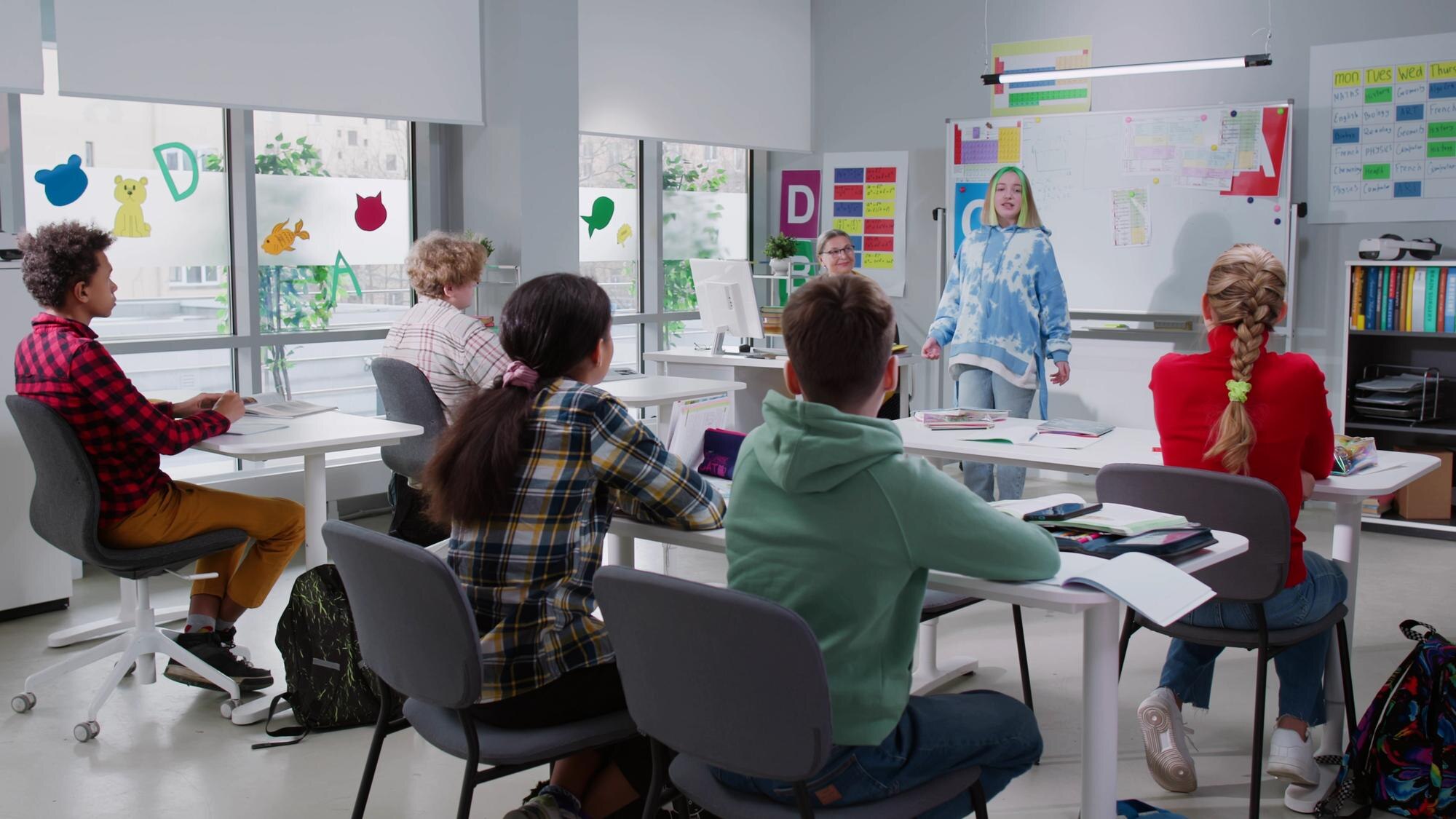
Creative Classroom Layouts to Spark Collaboration: 9 Set-ups You Can Use Tomorrow
Forget cramped rows and silent classrooms. Your space can spark real collaboration with just a few smart shifts in layout. This guide shares nine creative classroom layouts that turn your room into a student-centred learning space where group work thrives and higher-order thinking takes centre stage. Ready to try flexible seating ideas UK that boost engagement? Let’s get started with set-ups you can pilot tomorrow.
Flexible Seating Ideas UK
Let’s dive into creating spaces that promote collaboration and engagement. Flexible seating can transform a traditional classroom into a hub of activity and interaction.
U-Shaped Desks
Imagine a classroom where every student feels included in the discussion. U-shaped desk arrangements are perfect for fostering a sense of community. This setup invites everyone to participate, making it ideal for discussions and collaborative work.
-
Setup: Arrange desks in a U-shape, leaving the centre open for presentations or group activities.
-
Benefits: Every student has a clear view of the teacher and their peers. This layout encourages eye contact and active listening, crucial for meaningful interactions.
Teachers report that students in U-shaped settings are more engaged and less distracted. Perhaps it’s because they are more visible to their peers and teachers, or maybe it’s the sense of being part of a team. Either way, it’s a winning arrangement to try.
For more inspiration on desk arrangements, explore this visual essay that breaks down various smart layouts.
Cluster Groupings
Clusters are where creativity thrives. Group desks in small clusters of four to six students to encourage brainstorming and teamwork.
-
Setup: Desks are grouped together in small pods around the room.
-
Benefits: Students in clusters can easily share resources and ideas, making it perfect for projects and group tasks.
Cluster groupings mimic real-world environments where collaboration is key. Students practice teamwork and communication daily, skills they will carry into the future. Plus, it allows for more personalised interaction with the teacher, who can move easily between groups.
To see more about how to promote a sense of belonging and collaboration, check out this helpful blog.
Learning Zones in Secondary Schools
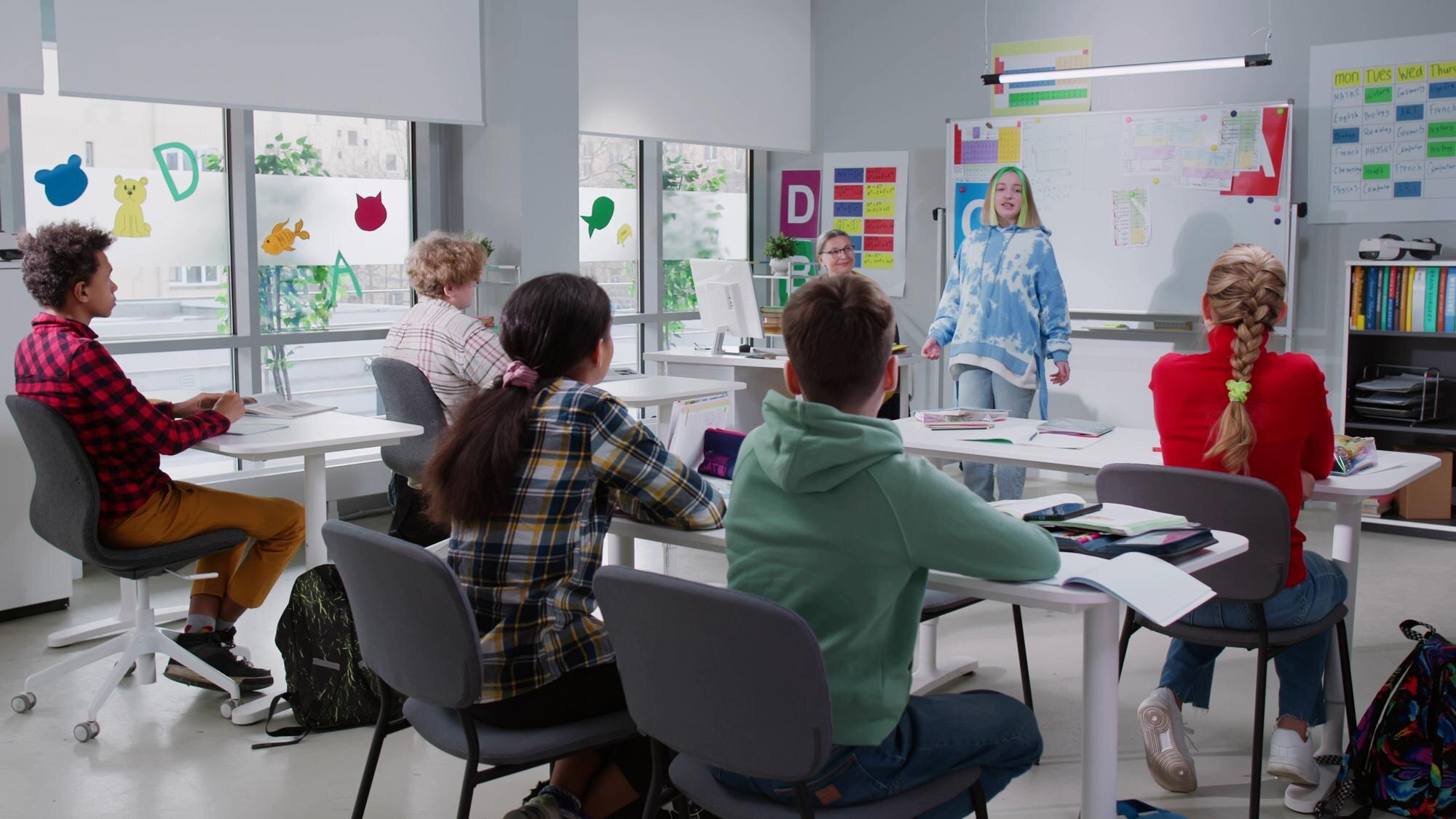
Secondary schools can benefit greatly from designated learning zones. These areas enhance focus and cater to different learning styles.
Thematic Corners
Transform your classroom into a dynamic learning environment with thematic corners. Each corner can serve a specific purpose, such as a reading nook or a science station.
-
Setup: Divide the room into distinct areas, each with its theme or subject focus.
-
Benefits: Students can move to the corner that suits their current task, whether it’s reading quietly or engaging in hands-on experiments.
Thematic corners provide a refreshing change of scenery without leaving the classroom. Students enjoy the autonomy of choosing their workspace, fostering independence and self-directed learning.
For ideas on setting up these spaces, visit this inspiration center.
Resource-rich Stations
Resource-rich stations are another excellent addition to any secondary school classroom. These stations are stocked with materials and tools relevant to the subject at hand.
-
Setup: Allocate areas with all the necessary resources for specific subjects or activities.
-
Benefits: Students can access everything they need for projects without leaving their workspace, saving time and keeping them focused.
Having everything within arm’s reach encourages continuous engagement. Plus, it reduces downtime often spent searching for materials. This approach not only supports learning but also encourages responsibility and organisation among students.
Explore more on classroom setup ideas at this blog.
Active Learning Classroom UK
Active learning classrooms are designed to keep students engaged and involved in their learning process. Let’s explore some innovative setups.
Mobile Desks for Group Work
In a world that values adaptability, mobile desks are a game-changer. They allow teachers and students to reconfigure the classroom in minutes.
-
Setup: Use desks on wheels to create flexible group work areas.
-
Benefits: Quick transitions between activities keep energy levels high and minds engaged.
Mobile desks support a variety of teaching styles and learning activities. Whether it’s group projects, individual work, or presentations, this setup accommodates all with ease. It’s a simple way to keep your classroom dynamic and responsive to different needs.
Interactive Walls and Displays
Interactive walls and displays are a fantastic way to engage students visually and kinesthetically. Use walls for more than just decorations; turn them into learning tools.
-
Setup: Install whiteboards, corkboards, or interactive screens around the room.
-
Benefits: Students can jot down ideas, solve problems, or showcase their work, making learning more visual and interactive.
This approach turns passive learning into an active experience. Students become participants rather than spectators, leading to deeper understanding and retention of information.
These innovative classroom layouts are more than just seating arrangements; they are pathways to a more engaged and collaborative learning environment. By adopting these ideas, you can create a space where students thrive, ready to face the challenges of tomorrow with confidence.
Remember, the longer you wait to transform your classroom, the more opportunities you miss to inspire and empower your students. So, why not start now?
