


 Paul Slowey
Future-Focused Teaching: 9 Practical Strategies for Modern Classrooms
Old teaching habits no longer prepare students for what lies ahead. You’re juggling curriculum demands while trying to spark creativity and higher-order thinking in your classroom. This post shares 9 practical strategies for future-focused teaching that put student agency and wellbeing front and centre—ready to use from tomorrow. Take the next step and make your classroom a place where real-world learning thrives. Discover more about engaging teaching strategies for the modern classroom here.
Elevating Student Agency

In a world where students face unprecedented challenges, fostering their independence is crucial. Elevating student agency ensures they have the confidence to navigate their learning journey.
Strategies for Empowerment
Empowering your students starts with trust. When students feel trusted, they become more engaged and self-directed. Begin by offering choices in assignments. Let them pick topics that excite them. This simple change can boost motivation and ownership.
Incorporate project-based learning to further enhance agency. Real-world projects not only make learning relevant but also give students the chance to lead their learning. For example, a project on local history can encourage them to explore their community deeply. By pursuing their interests, students learn to take charge, preparing them for future challenges.
Encouraging Student Voice
Giving students a voice turns your classroom into a vibrant learning hub. Encourage them to share opinions through classroom discussions and debates. When students express themselves, they learn to articulate their thoughts and listen to others.
Create an environment where every voice matters. Use tools like suggestion boxes or online forums to gather student feedback. This not only empowers them but also helps you tailor the learning experience to better suit their needs. By valuing their input, you show that their ideas can shape the classroom, fostering a sense of belonging.
Creativity in the Classroom
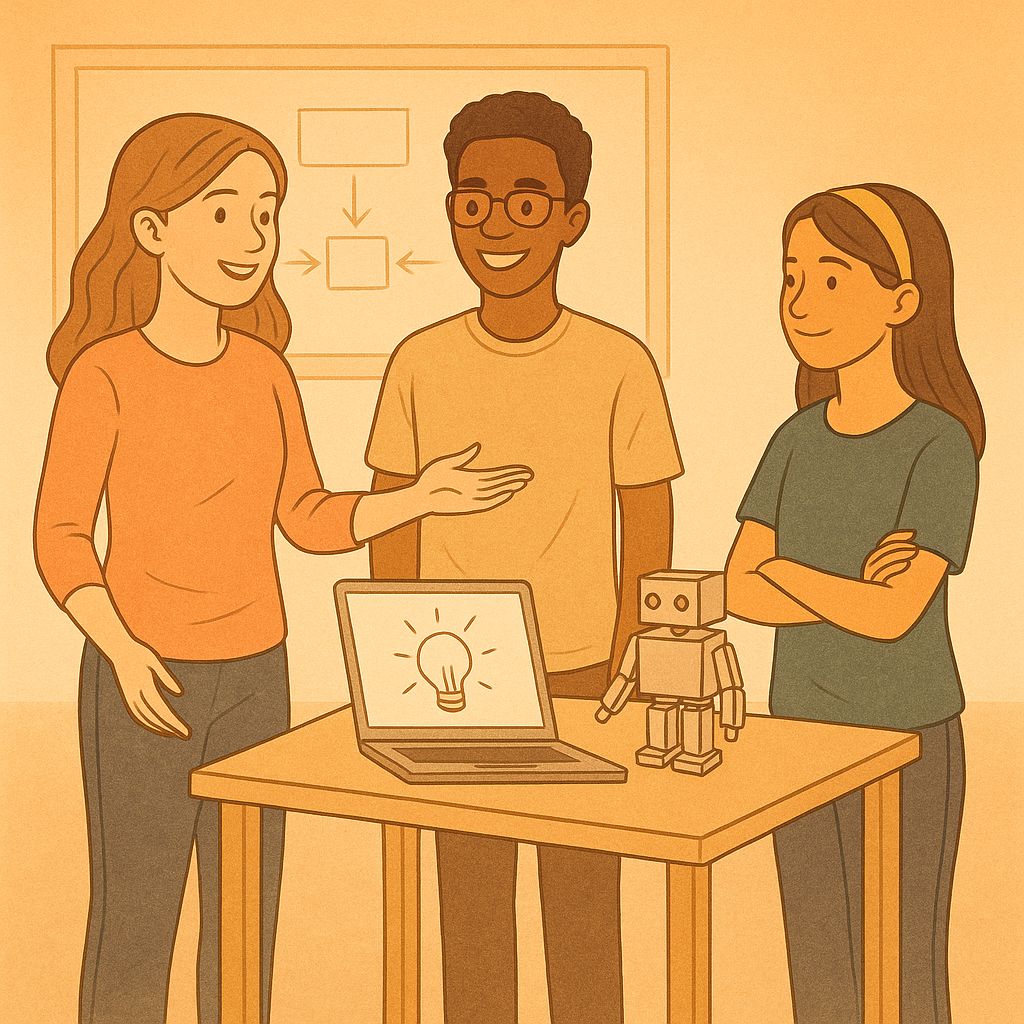
Creativity is the heart of innovation. By nurturing creativity, you open doors to endless possibilities for your students. It transforms your classroom into a dynamic space for discovery.
Fostering Imagination
Fuel your students’ imagination by incorporating creative tasks. Art and storytelling can bring subjects to life. When students create stories or draw concepts, they engage with material in a deeper way.
Provide opportunities to experiment. Encourage them to think outside the box and explore different solutions. This could be as simple as asking students to redesign a common household item. Such activities sharpen their creative thinking and problem-solving skills.
Integrating Arts and Sciences
Crossing the boundaries of arts and sciences enriches learning. Integrating these subjects helps students see connections between different areas of knowledge. It encourages holistic understanding.
Try combining a science lesson with an art project. For instance, while studying ecosystems, students can create dioramas. This hands-on approach makes abstract concepts tangible. It fosters a deeper appreciation for both disciplines and nurtures versatile thinkers ready for the future.
Higher-Order Thinking Skills

Developing higher-order thinking skills is essential for preparing students for the complexities of the modern world. It equips them with the tools to think deeply and critically.
Developing Critical Thinking
Critical thinking is about questioning and evaluating information. Teach students to analyse arguments and distinguish between fact and opinion. Use news articles to practice these skills. Encourage them to ask questions and discuss different viewpoints.
Encourage reflection. After each lesson, ask students to think about what they learned and how they can apply it. This practice enhances their ability to assess their thinking and make informed decisions.
Promoting Problem Solving Skills
Problem-solving skills are vital for real-world success. Encourage students to tackle problems through hands-on activities. Use group projects to simulate real-life challenges. Working in teams helps them learn to collaborate and communicate effectively.
Provide scenarios where they must find solutions. This could be as simple as designing a sustainable garden. These experiences teach students to approach problems methodically, ensuring they are ready to face any challenge.
By incorporating these strategies, you can transform your classroom into a hub of creativity, agency, and critical thinking. The longer you wait, the more opportunities you miss to equip your students with the skills they need for the future. Dive in and start making a difference today!
