


 Paul Slowey
Every Learner Seen: Practical Ways to Build Inclusive, Culturally Responsive Classrooms
Forget the old “one-size-fits-all” approach to teaching. Your classroom can become a place where every learner feels seen and valued. Using inclusive classroom strategies and culturally responsive teaching, you’ll boost student voice and agency while nurturing belonging in school. This post shows you practical ways to build an equitable classroom that sparks higher-order thinking skills (HOTS) and supports learner identity development. Start creating change today with clear, ready-to-use frameworks designed for UK educators like you.
Inclusive Classroom Strategies
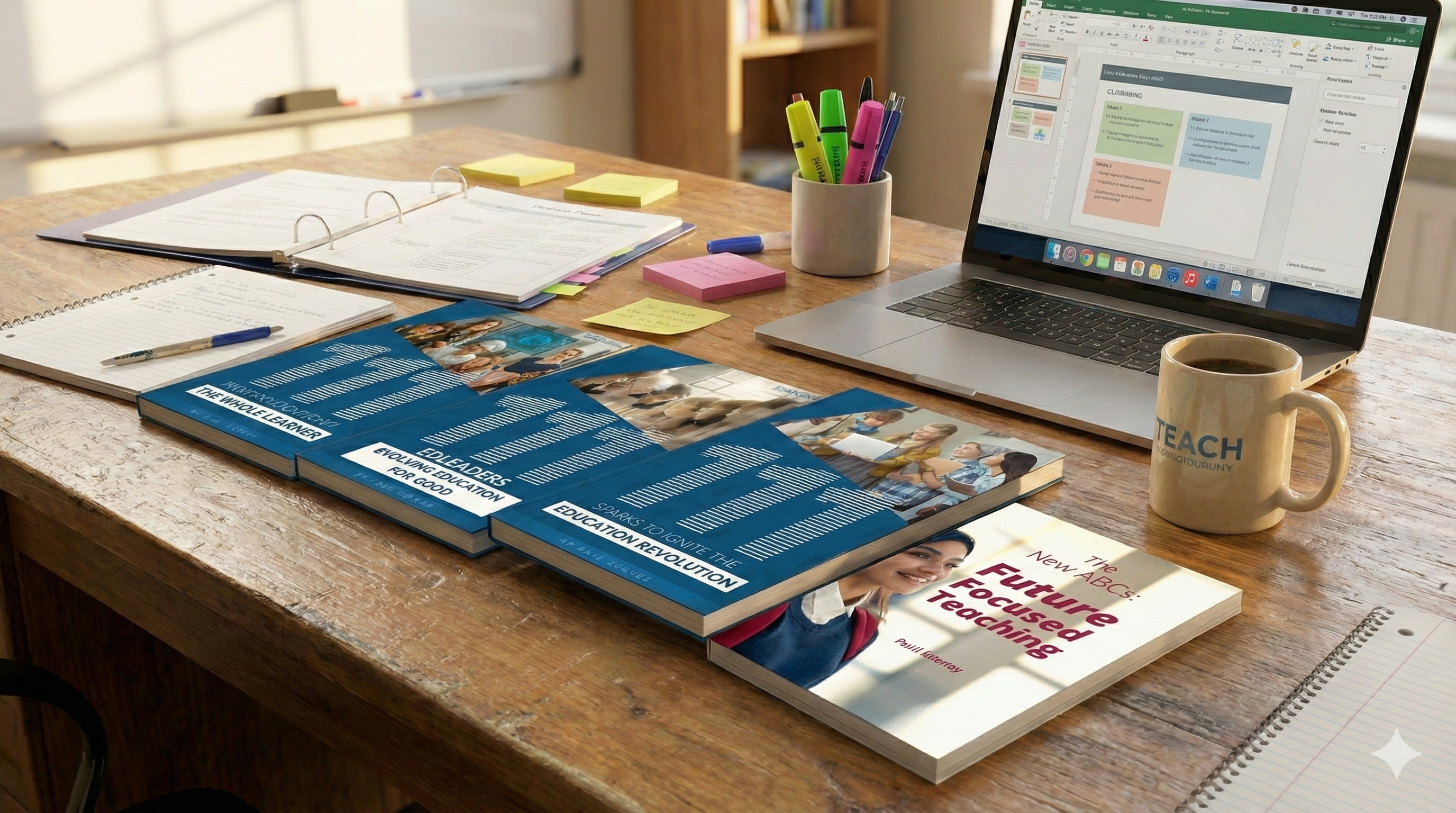
Discover how your classroom can be a hub of inclusivity and equality. By focusing on these strategies, you’ll foster an environment where everyone thrives.
Boosting Belonging in School
Creating a sense of belonging is crucial. Begin by recognising every student’s unique story. When students feel part of a community, their engagement skyrockets. Simple gestures like greeting each student by name can set a positive tone.
Organise activities that celebrate diversity. These can be as simple as cultural days or storytelling sessions where students share their backgrounds. This approach not only builds community but also broadens everyone’s horizons. Remember, when students feel they belong, they are more likely to participate and succeed.
Enhancing Student Voice and Agency
Empowering students to express themselves is more important than ever. Start by encouraging open dialogues about classroom issues. This helps students feel heard. Offering choices in how they learn and demonstrate knowledge further boosts their agency.
Use student-led conferences to give them a platform. This not only highlights their learning journey but also fosters responsibility. A class where students have a say becomes a place of mutual respect and collaboration.
Equitable Classroom Practices
Equity in the classroom ensures fair opportunities for all. It’s about understanding different needs and adapting accordingly. Differentiation strategies, like tailored assignments, cater to varying abilities and learning styles.
Regularly reflect on your teaching practices. Are all voices being heard? Are resources distributed fairly? Ensuring equity might take effort, but the reward is a classroom where every student can shine.
Culturally Responsive Teaching
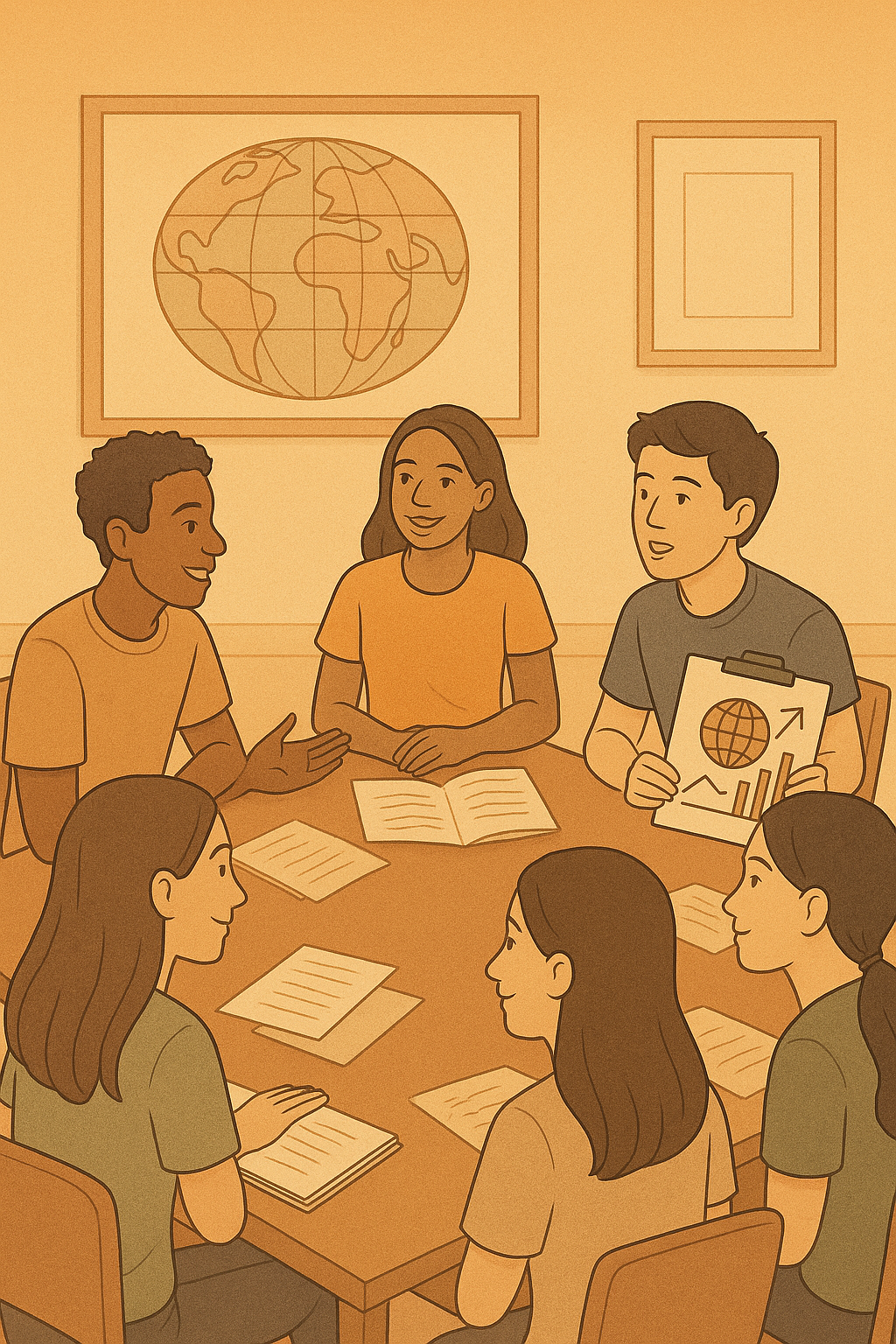
Dive into teaching methods that embrace and celebrate cultural diversity. This approach opens doors to deeper understanding and connection among students.
Learner Identity Development
Understanding who your students are is the first step. Faithfully representing diverse cultures in your curriculum promotes identity development. This encourages students to see themselves in what they learn, fostering pride and motivation.
Create projects where students explore and share their cultural backgrounds. This not only enhances identity but also strengthens community ties. By valuing each learner’s background, you create a classroom where everyone feels respected and included.
Global Perspectives in the Curriculum
Incorporating global perspectives enriches learning. It prepares students for a connected world. Introduce topics that span continents, cultures, and histories. This broadens students’ understanding beyond their immediate environment.
Utilise resources like international news or literature to spark discussions. Encourage students to compare global issues with local ones. By seeing the bigger picture, students develop critical thinking and empathy.
Universal Design for Learning
Adopt strategies that cater to all learners. Universal Design for Learning (UDL) ensures accessibility for everyone. This means providing multiple ways for students to engage, represent ideas, and express their knowledge.
Incorporate various media and technologies to accommodate different learning preferences. By doing so, you create a flexible learning environment where every student can succeed.
Future-Focused Teaching Approaches
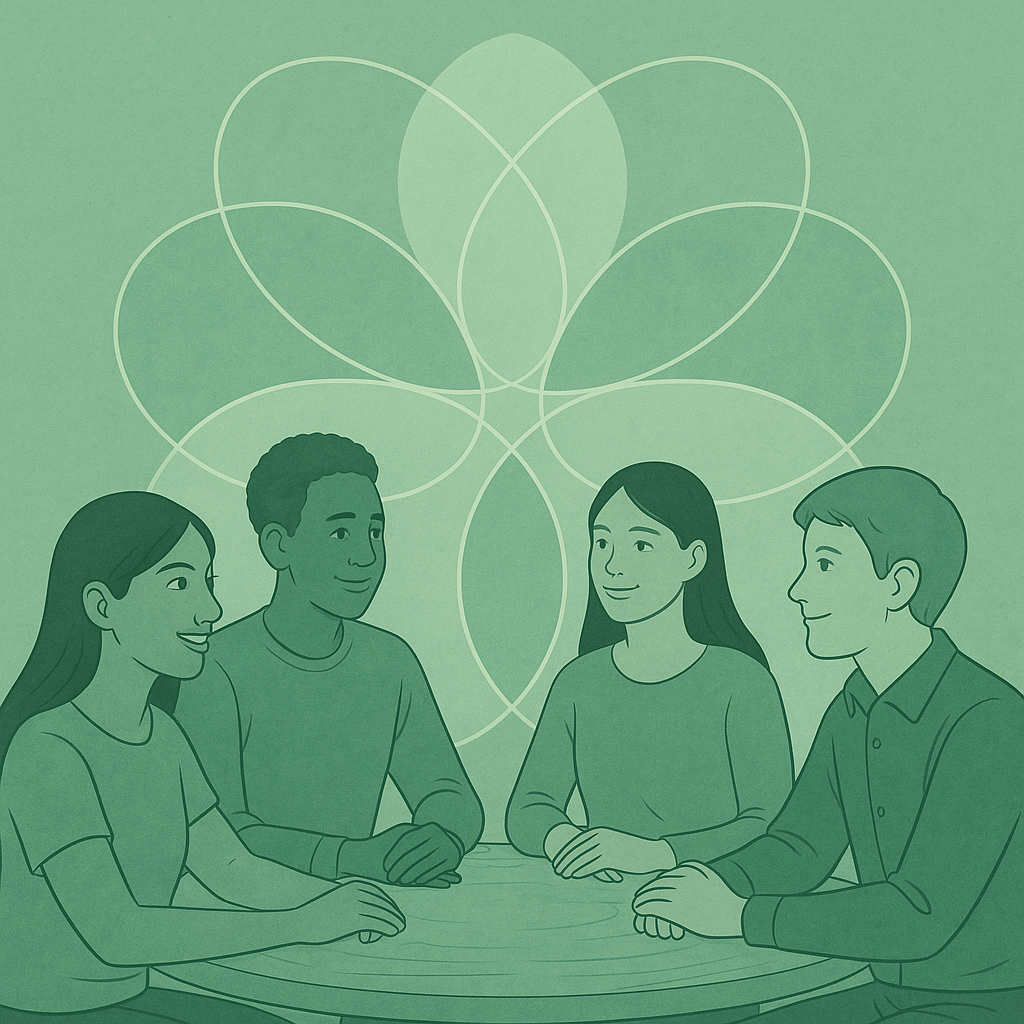
Prepare your students for tomorrow with teaching methods that encourage innovation and critical thinking.
Higher-Order Thinking Skills (HOTS)
Encourage students to analyse, evaluate, and create. These skills make them adept problem-solvers. Incorporate tasks that challenge their thinking, like debates or design projects.
When students engage with complex problems, they develop resilience and creativity. This not only prepares them for academic success but also life beyond the classroom.
Cross-Curricular Learning
Break down the barriers between subjects. Cross-curricular learning shows students how knowledge interconnects. Projects that combine maths with art or history with science reveal new insights and foster creativity.
Encourage students to draw connections between different fields. This holistic approach cultivates a love for learning and an appreciation for diverse knowledge areas.
Classroom Protocols and Practical Frameworks
Structure is key for effective learning. Implement classroom protocols that promote collaboration and respect. These can include discussion guidelines or peer review processes.
Practical frameworks offer a roadmap for teaching. They provide consistency and clarity, helping students know what to expect. With clear protocols, your classroom becomes a place of order, where students feel safe to explore and express themselves.
🌟📚✨
By embracing these strategies, you’re not just teaching—you’re transforming lives. Each step you take towards inclusivity and cultural responsiveness shapes a brighter future for your students. Keep exploring, keep adapting, and most importantly, keep inspiring.
