


 Paul Slowey
Bounce Forward: Practical Ways to Build Student Resilience and Adaptability
Forget the old rulebook on student resilience—it’s time for a fresh approach that fits today’s classrooms. You’re searching for clear, practical ways to build adaptability skills without adding endless prep. This post offers ready-to-use strategies grounded in human-centred classrooms and future-focused teaching, helping you spark learner agency and wellbeing in schools. Stick around to find tools you can put to work this week and start shaping resilient learners who thrive. For more insights, explore this resource.
Building Resilience in Students
Today’s classrooms need more than just lessons; they need environments where students can become resilient. The focus here is on empowering students to face challenges with confidence.
Strategies for Practical Resilience
Imagine a classroom where students don’t fear mistakes but see them as steps to success. To achieve this, incorporate storytelling and real-life examples that show how resilience leads to success. For instance, discuss famous figures who overcame significant obstacles. Encourage students to reflect and share their stories, which helps them connect personally.
-
Personal Journals: Encourage students to write daily reflections on their challenges and how they overcame them. This builds resilience by making them aware of their progress.
-
Role-Playing Scenarios: Use role-play to simulate challenging situations. This prepares them for real-life hurdles and builds confidence through practice.
Find more strategies in this guide on building student resilience.
Classroom Routines for Resilience
Routines are powerful tools for instilling resilience. Start by setting predictable schedules that include time for reflection and discussion. This creates a safe space where students know what’s coming and can prepare mentally.
-
Morning Meetings: Begin each day with a brief meeting to set goals and intentions. This routine builds a resilient mindset by reinforcing daily focus and adaptability.
-
Reflection Time: Allocate time for students to reflect on what they’ve learned each day. This encourages a habit of thinking about their growth and areas for improvement.
Explore more about routines in classrooms here.
Feedback for Growth and Adaptability
Feedback is essential for growth. Use it not just to correct but to guide students towards self-improvement. Implement regular feedback sessions where students can discuss what they’ve done well and what can be improved.
-
Two Stars and a Wish: Invite students to give two positive comments and one suggestion for improvement on peer work. This encourages constructive feedback and peer learning.
-
Reflective Questions: Use questions like “What did you learn from this task?” to prompt deeper thinking. This helps them see feedback as a tool for growth, not criticism.
Learn about the impact of feedback on adaptability here.
Fostering Adaptability Skills
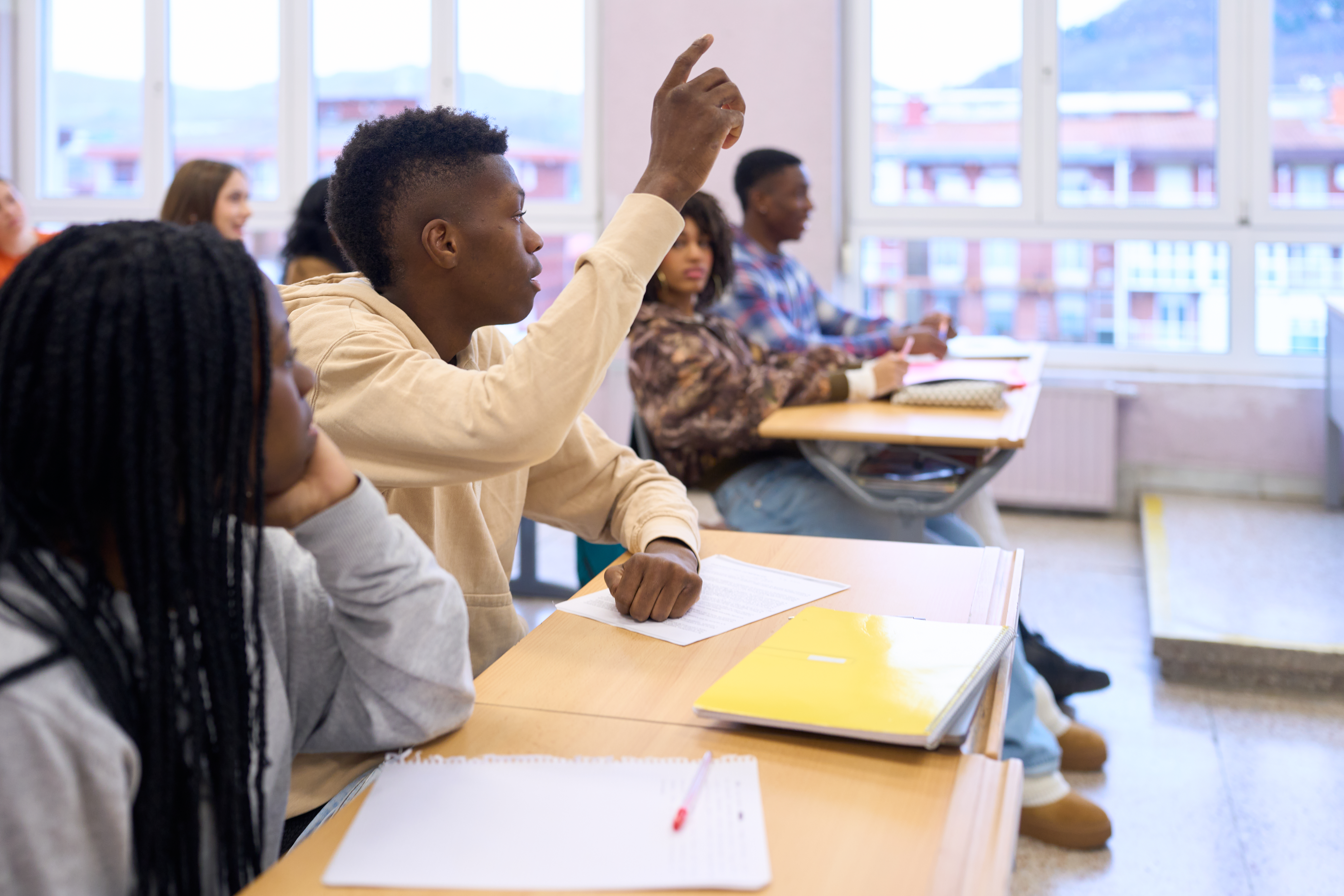
Equipping students with adaptability is crucial for their future. This section delves into activities that develop these skills in engaging ways.
Real-World Learning Tasks
Introduce tasks that mimic real-world problems to teach adaptability. These tasks should encourage students to think critically and creatively.
-
Problem-Based Assignments: Present challenges that require students to research, collaborate, and find solutions. This mirrors real-life situations, enhancing adaptability.
-
Community Projects: Engage students in projects that benefit local communities. This not only teaches them adaptability but also social responsibility.
For more on real-world learning, visit this resource.
Project-Based Learning Ideas
Project-based learning (PBL) is an excellent method for fostering adaptability. It places students in the driver’s seat of their education.
-
Cross-Disciplinary Projects: Encourage projects that combine different subjects. This broadens their perspective and adaptability.
-
Student-Led Conferences: Have students present their projects to peers and teachers. This develops their ability to adapt under pressure and receive feedback.
Encouraging Student Voice and Choice
Giving students a voice and choice in their learning fosters ownership and adaptability.
-
Choice Boards: Offer students options on how to complete assignments. This empowers them to make decisions and adapt based on their strengths.
-
Student Councils: Involve students in decision-making processes. This practice helps them learn to adapt to different roles and responsibilities.
Promoting a Growth Mindset
A growth mindset is key to student success. It inspires them to embrace challenges and see effort as a path to mastery.
Growth Mindset Practices
-
Mindset Mantras: Start the day with positive affirmations like “Mistakes help me learn.” This reinforces a growth mindset culture.
-
Praise Effort, Not Results: Focus on praising the effort students put into their work rather than the outcome. This encourages perseverance.
Reflective Practice for Students
Reflection is a powerful tool for self-improvement and growth.
-
Weekly Reflections: Encourage students to write about what they learned each week. This practice helps them internalize lessons and see their progress.
-
Peer Discussions: Facilitate discussions where students can share their reflections. This builds a community of learners who support each other’s growth.
Self-Regulation Strategies
Self-regulation is the ability to manage one’s thoughts and emotions effectively. Teach students strategies to enhance this skill.
-
Mindfulness Exercises: Incorporate short mindfulness activities to help students focus and regulate emotions.
-
Goal Setting: Teach students to set and track personal goals. This empowers them to take control of their learning journey and develop self-regulation.
By integrating these practices, educators can create human-centred classrooms that not only foster academic success but also prepare students for future challenges.
