


 Paul Slowey
Resilience That Matters: Practical Ways to Help Pupils Bounce Back and Move Forward
Building pupil resilience in the classroom is no longer just a nice-to-have—it’s a must for future-focused teaching. You’ve seen the challenges students face, and simple pep talks won’t cut it anymore. In this post, you’ll find clear strategies to help pupils develop agency, self-regulation, and reflection, turning setbacks into stepping stones. Bring these ideas to life with our practical teaching frameworks and resources designed for today’s educators. For further insights, check out this helpful article on building resilience.
Cultivating Resilience in Education
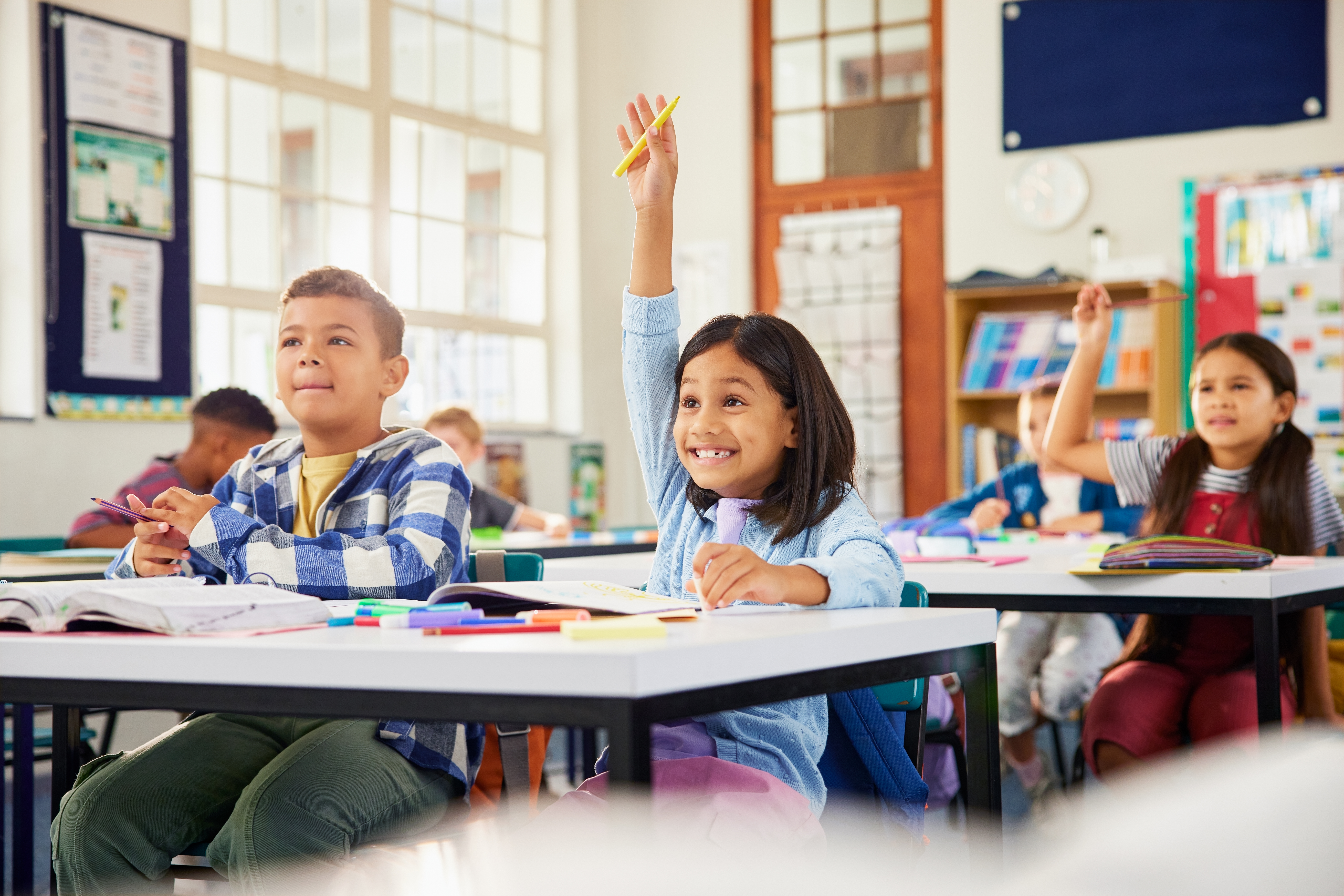
To shape a resilient classroom, you need strategies that work. Let’s explore how you can equip your students with the skills to face challenges head-on. Resilience isn’t just about bouncing back; it’s about moving forward with confidence.
Practical Strategies for the Classroom
Incorporate reflective journals into daily routines. Encourage students to write about their challenges and how they plan to overcome them. This simple act boosts self-awareness and problem-solving skills. Also, foster a growth mindset by celebrating effort and persistence, not just achievement. Remind students that failure is not the opposite of success, but part of the journey.
Building Student Resilience UK
To prepare students for real-world challenges, engage them in collaborative projects. Working together on tasks teaches them to communicate, solve problems, and support each other. For example, organise group activities that require creative solutions, like designing a sustainable garden. This hands-on learning approach builds resilience and teamwork.
Encouraging Agency in Learning
Empower students by giving them choices in their learning paths. Allow them to select topics for projects or ways to demonstrate understanding. This choice makes them active participants in their education. When students feel in control, they are more motivated and resilient. Learn more about fostering agency in learning from this Edutopia article.
Classroom Routines That Build Resilience

Creating the right environment is key to developing resilience. Let’s look into routines that empower students to regulate emotions and reflect on growth.
Self-Regulation Strategies for Pupils
Teach students to recognise their emotions and manage them effectively. Introduce mindfulness exercises to help them stay calm and focused. A simple breathing exercise before starting class can make a big difference. Additionally, time management tools can help students plan their work and avoid feeling overwhelmed.
Metacognition Activities for Growth
Encourage pupils to think about their thinking. Use think-aloud strategies where students verbalise their thought process when solving problems. This practice helps them become aware of their cognitive strategies and improve them over time. Another idea is to ask students to reflect on what strategies worked or didn’t work after completing a task.
Tutor Time Activities and Ideas
Start tutor sessions with goal-setting activities. Encourage students to set personal and academic goals, then review progress regularly. Use this time to discuss any challenges they’re facing and brainstorm solutions together. This regular check-in builds accountability and resilience. For more ideas, visit Ready Education.
Inspiring Future-Focused Teaching

With resilience-building routines in place, it’s time to inspire students with future-ready skills. Let’s dive into critical thinking and wellbeing.
Higher-Order Thinking Skills in Action
Challenge students with tasks that require critical thinking. Use problem-based learning where they tackle real-world issues. For example, task them with creating a plan to reduce the school’s carbon footprint. This approach encourages them to think deeply, ask questions, and find innovative solutions.
PSHE Classroom Ideas for Wellbeing
Incorporate social and emotional learning within your PSHE curriculum. Discuss topics like empathy, gratitude, and conflict resolution through role-playing activities. These lessons teach students how to manage relationships and emotions effectively, boosting overall wellbeing. Check out this article for more strategies.
Restorative Practices for a Supportive Environment
Create a classroom culture of respect and understanding through restorative practices. Use circle discussions to address conflicts and share feelings. This method not only resolves issues but also builds community and trust. Students learn to listen actively and respond empathetically, reinforcing resilience and cooperation. For additional insights, visit Cornell Health.
🌟✨📚
By embedding these strategies into your teaching, you’ll not only foster resilience but also prepare students for the challenges of the future. Remember, the journey to resilience is ongoing, and every small step counts towards a more empowered classroom.
