


 Paul Slowey
Culturally Responsive Teaching: Practical Methods for Future‑Focused Classrooms
Culturally responsive teaching isn’t just a buzzword—it’s the key to unlocking student voice, agency, and belonging in your classroom. When you bring practical methods into your daily practice, diverse learners thrive, and learning feels relevant and real. This post will guide you through clear, classroom-ready strategies that fit future-focused teaching. Take the next step with Teach for Tomorrow’s resources and watch your students’ confidence and creativity grow. For more insights, check out this research fact sheet.
Practical Methods in Culturally Responsive Teaching
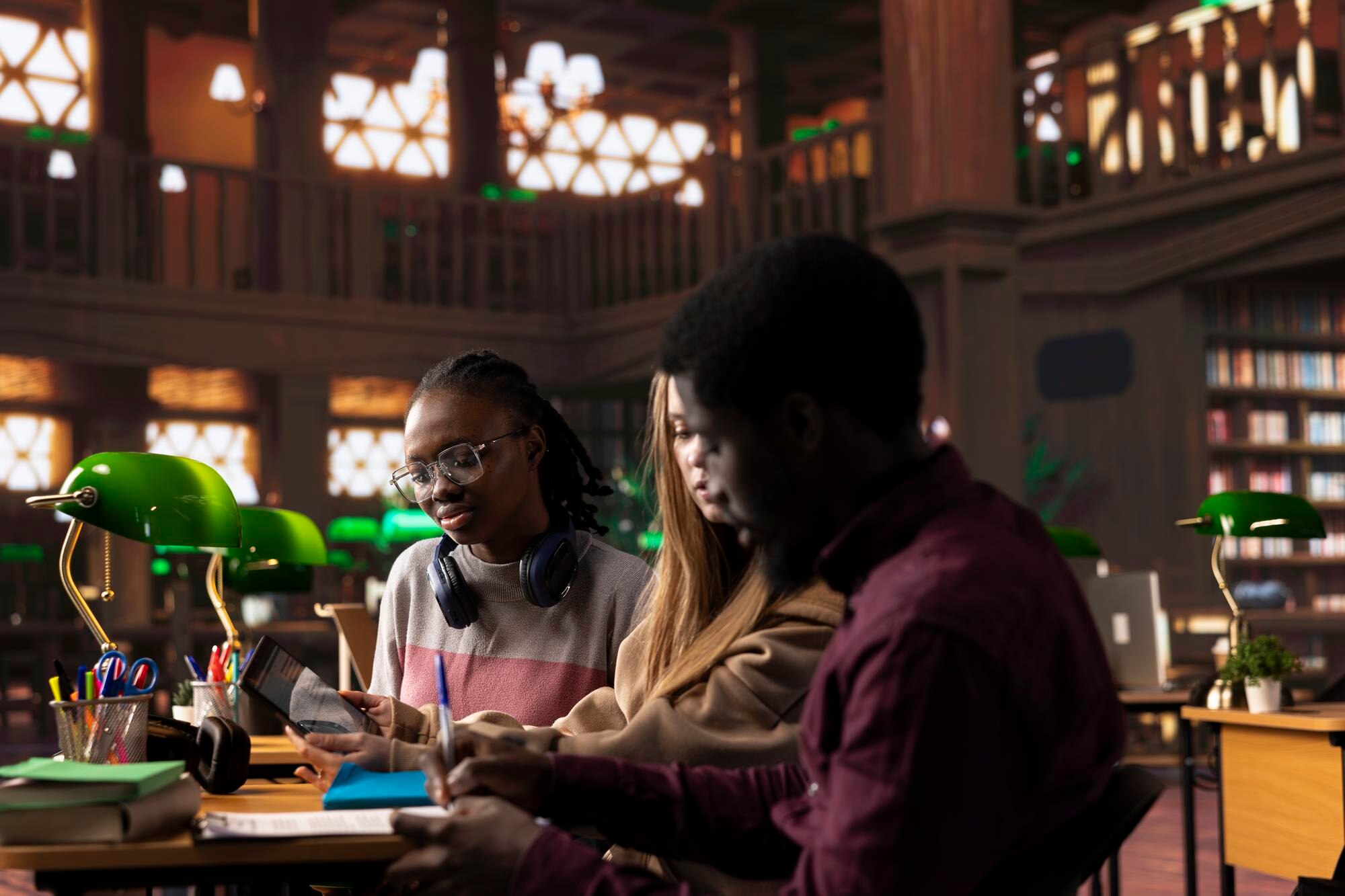
Let’s dive into the world of culturally responsive teaching, where you’ll find practical methods to engage diverse learners and elevate student voice.
Engaging Diverse Learners
Capturing the attention of diverse learners can feel like a challenge, but it’s rewarding. Focus on creating learning experiences that resonate with every student. Begin by getting to know your students’ cultural backgrounds. This knowledge helps you tailor lessons that speak directly to their experiences, making learning more relatable and impactful.
Consider incorporating a range of cultural perspectives in your teaching materials. This approach not only enriches the curriculum but also validates each student’s identity. When students see themselves reflected in the lessons, engagement naturally increases. You can also use group work to encourage collaboration among students with different backgrounds, fostering an inclusive classroom environment.
Research supports these strategies. According to Education Research, culturally relevant teaching boosts academic success and enhances student motivation. So, by weaving these approaches into your practice, you’re not just teaching content; you’re building a community of engaged learners.
Elevating Student Voice and Choice
Empowering students to have a say in their learning is crucial. Start by offering choices in how they demonstrate understanding. This could range from traditional essays to creative projects like videos or art. Choice gives students a sense of ownership and increases motivation.
Encourage students to share their thoughts and perspectives in class discussions. This practice not only strengthens their communication skills but also enriches everyone’s learning experience. Create a classroom environment where every voice is valued and respected. This can be done by establishing norms for respectful dialogue and active listening.
A study in the Journal of Education found that student choice and voice lead to higher levels of engagement and intrinsic motivation. By adopting these practices, you’re not only enhancing learning but also cultivating a classroom culture that prioritises student agency.
Building an Inclusive Classroom
After exploring methods for engaging diverse learners, let’s delve into building a truly inclusive classroom environment.
Strategies for Belonging
The feeling of belonging is essential for student success. Start by ensuring every student feels seen and valued. You can achieve this by greeting each student by name and acknowledging their contributions in class. Simple gestures go a long way in creating a welcoming atmosphere.
Design classroom activities that promote teamwork and understanding. Group projects that require collaboration across diverse backgrounds help students appreciate different perspectives. This approach also builds empathy and strengthens social bonds within the classroom.
For a deeper dive into fostering belonging, explore this academic article. It highlights the importance of social connections in educational success.
Human-Centred Education Practices
Human-centred education focuses on the holistic development of students. It’s about nurturing their emotional, social, and cognitive growth. Start by integrating social-emotional learning into your curriculum. Activities that teach empathy, resilience, and communication skills are invaluable.
Create a supportive classroom environment where students can express their emotions and challenges. Encourage open conversations about mental health and stress management. This approach not only supports wellbeing but also equips students with essential life skills.
Human-centred practices transform classrooms into spaces where students thrive. By prioritising these methods, you’re laying the foundation for an inclusive and supportive learning environment.
Future-Focused Teaching Techniques

Finally, let’s explore techniques that prepare students for the future while keeping them engaged and motivated today.
Creative Lesson Ideas
Unleash your students’ creativity with lessons that go beyond traditional methods. Incorporate real-world problems into your curriculum, challenging students to devise innovative solutions. This approach not only stimulates their creativity but also develops critical thinking skills.
Consider using project-based learning to allow students to explore their interests deeply. Projects can range from building a model city to creating a community garden. When students see the real-world impact of their work, their motivation soars.
Creative learning experiences are transformative. They not only engage students but also prepare them for the complexities of the modern world. Discover more about creative teaching strategies in this ScienceDirect article.
Higher-Order Thinking Skills
Developing higher-order thinking skills is crucial for future readiness. Encourage students to analyse, evaluate, and create—skills that go beyond mere memorisation. Use questioning techniques that prompt students to think deeply and justify their reasoning.
Incorporate activities that require problem-solving and decision-making. These skills are vital in any future career. By challenging students to think critically, you’re preparing them for the uncertainties of the future.
Higher-order thinking is at the heart of future-focused education. By prioritising these skills, you’re equipping students with the tools they need to navigate an ever-changing world. As you implement these strategies, remember: the longer you wait, the more opportunities for impact you miss. So, start today and watch your classroom transform.
