


 Paul Slowey
From Worksheets to Wonder: Weaving Creativity and Enquiry Through Your Curriculum
Worksheets alone don’t spark curiosity or ignite creativity in your classroom. Many teachers feel stuck juggling rigid curricula and student engagement. You can weave creativity in the curriculum and enquiry-based learning into daily lessons without extra stress. Let’s explore simple, practical steps to bring student agency and higher-order thinking skills alive across subjects—starting now. Learn more about integrating creativity and enquiry in the curriculum here.
Creativity in the Curriculum
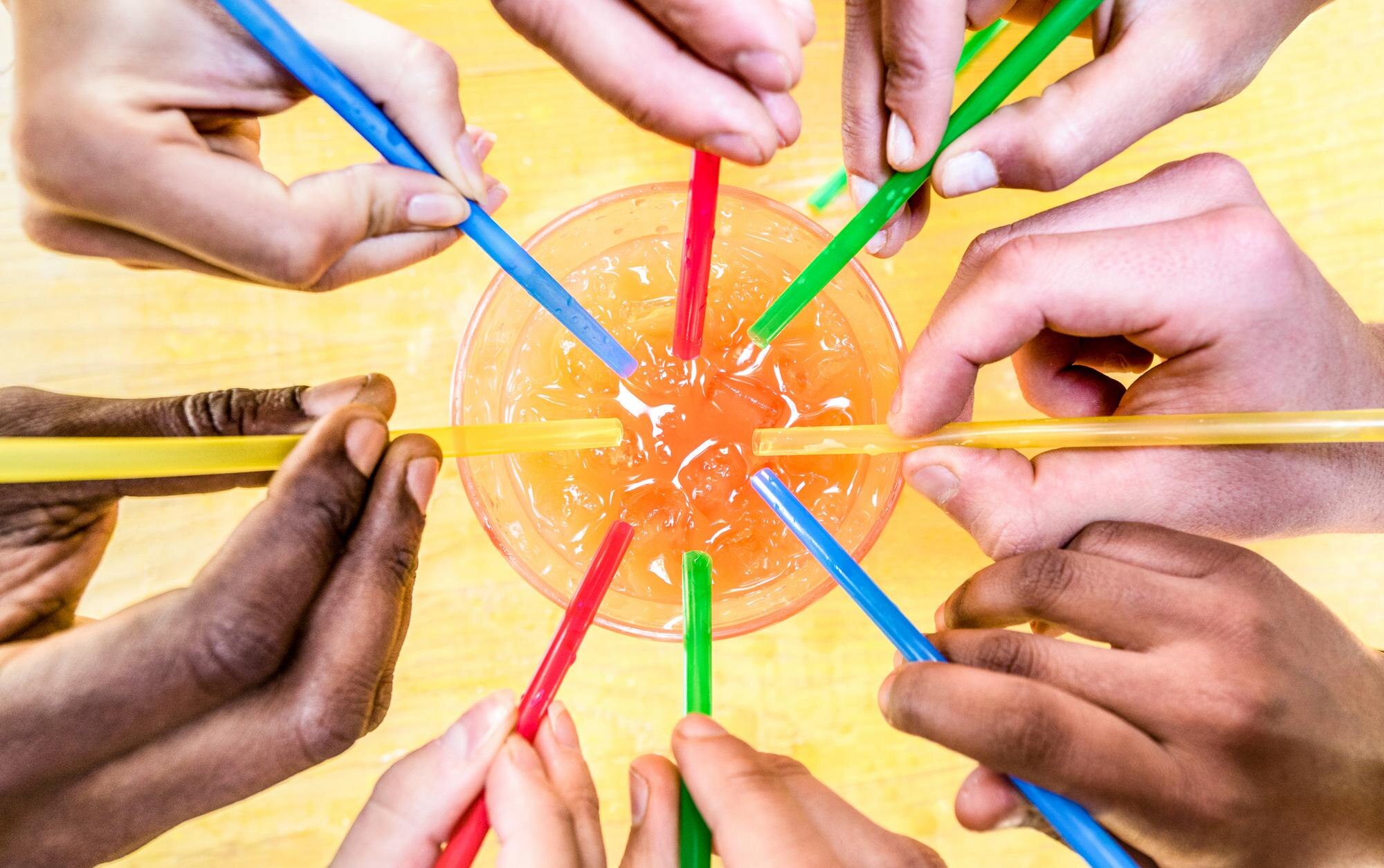
Creativity in education is not just a buzzword. It’s a practical approach that transforms classrooms. By embedding creativity in the curriculum, teachers can foster a love for learning that transcends traditional methods.
Creative Pedagogy in Action
Imagine a classroom buzzing with excitement as students collaborate on projects that matter to them. That’s the power of creative pedagogy. Involving students in decision-making about their learning journey can boost engagement and ownership. For instance, letting students choose project topics within a framework can dramatically increase their interest. This approach doesn’t require more work, just a shift in perspective. Creative pedagogy emphasises active learning, where students participate, create, and reflect, leading to deeper understanding.
Cross-Curricular Projects Made Simple
Cross-curricular projects are a fantastic way to integrate various subjects seamlessly. Picture a project where students design a community garden: they apply maths to plan plots, science to understand plant growth, and art to create garden signs. Such projects allow students to see connections across subjects, enhancing their overall learning experience. You don’t need a complicated setup; start small by linking two subjects and build from there. Projects like these prepare students for real-world challenges by showing them how disciplines interconnect.
Curiosity-Driven Lessons and Engagement
Curiosity is the spark that ignites learning. When students are curious, they are more engaged and eager to learn. Designing lessons around questions rather than answers encourages exploration and critical thinking. For example, instead of teaching a science concept directly, pose a question like, “What if gravity suddenly doubled?” This approach invites exploration and discussion, fostering a classroom culture where curiosity leads the way. Find inspiration for curiosity-driven teaching here.
Enquiry-Based Learning Strategies

Building on creativity, enquiry-based learning encourages students to ask questions and discover answers. It shifts the focus from teacher-led instruction to student-driven exploration.
Critical and Creative Thinking Protocols
Harnessing both critical and creative thinking empowers students to tackle problems from multiple angles. Teaching thinking protocols, like “Think-Pair-Share,” encourages students to reflect individually, discuss with peers, and share insights with the class. These protocols are simple yet powerful, promoting active engagement and deep thinking. By routinely practising these protocols, students develop critical analysis and creative problem-solving skills essential for the 21st-century skills they need.
Design Thinking in Schools
Design thinking is a method that transforms how students approach problems. It’s about empathy, ideation, and iteration. Imagine students redesigning their classroom to improve learning experiences. They would research, brainstorm ideas, and test prototypes, learning through each phase. This hands-on approach not only teaches practical skills but also builds resilience and adaptability. With resources like the Institute of Imagination, educators can easily integrate design thinking into their curricula.
Real-World Learning Applications
Real-world applications bring learning to life. Students can act as historians investigating local history or as scientists conducting experiments to solve community issues. Such projects make learning relevant and meaningful. By applying classroom knowledge to real-world contexts, students see the impact of their learning beyond grades. This method nurtures lifelong learners who are prepared for the complexities of the real world. For more ideas, check out this resource.
Building a Future-Focused Environment
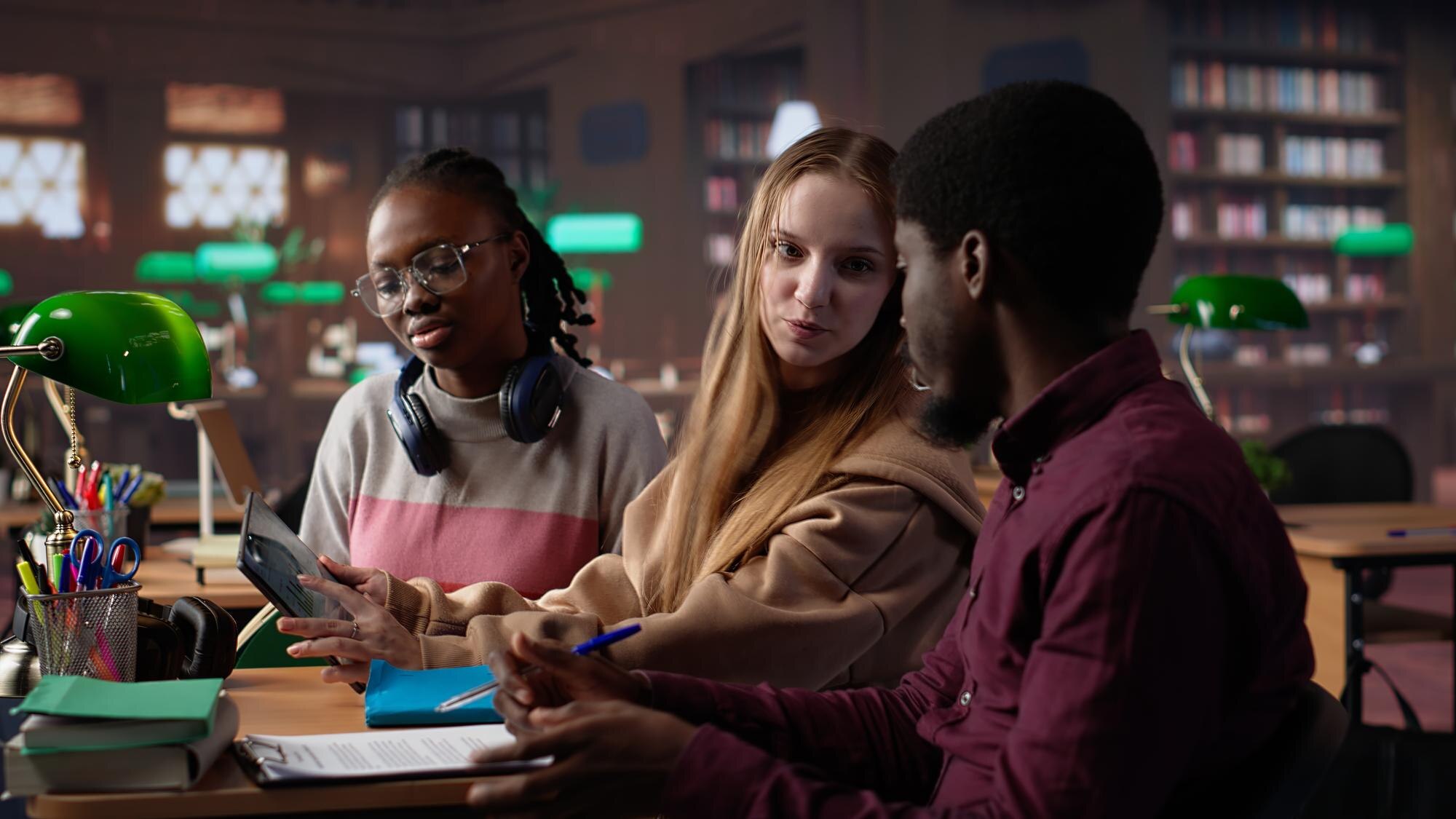
Creating a future-focused environment means equipping students with the skills and mindsets needed for tomorrow’s challenges. It involves fostering student agency, promoting wellbeing, and developing higher-order thinking skills.
Student Agency and Wellbeing in Schools
Empowering students to take charge of their learning enhances their agency and wellbeing. When students have a say in their learning process, they feel valued and motivated. Simple strategies like letting students set personal goals can significantly impact their engagement and happiness. Schools prioritising student wellbeing create an environment where learning thrives, and students feel supported to explore and grow.
Higher-Order Thinking Skills and HOTS Strategies
Higher-order thinking skills (HOTS) are crucial for success in the modern world. Educators can cultivate these skills by using strategies like Socratic questioning and problem-based learning. These approaches challenge students to think critically and creatively, encouraging deeper understanding and application of knowledge. By consistently incorporating HOTS strategies, teachers prepare students for complex problem-solving and innovative thinking.
Project-Based Learning UK and Classroom Protocols
Project-based learning (PBL) is a dynamic approach that engages students in real-world projects. In the UK and beyond, PBL is revolutionising classrooms by making learning more engaging and relevant. Using classroom protocols, such as regular feedback sessions, ensures that projects remain student-centred and focused on learning goals. PBL not only boosts engagement but also helps students develop crucial skills like collaboration, communication, and critical thinking. For educators looking to implement PBL, resources and examples can be found here.
🎨📚🌍
Incorporating these strategies transforms education from routine to remarkable. By weaving creativity and enquiry throughout the curriculum, educators inspire students to become active, thoughtful learners ready to tackle whatever the future holds.
