


 Paul Slowey
Personalised Learning that Works: Simple, Scalable Strategies for Secondary Classrooms
Personalised learning in secondary education is more than a buzzword—it’s a practical way to boost student agency, creativity, and mastery across Key Stage 3 and Key Stage 4. You’ve tried different approaches, but finding scalable strategies that fit your classroom feels tricky. This post shares simple, real-world teaching moves that make personalisation doable from tomorrow, backed by Teach for Tomorrow’s proven resources. Ready to see how to bring voice, choice, and wellbeing into your lessons with confidence? Learn more here.
Personalised Learning Foundations
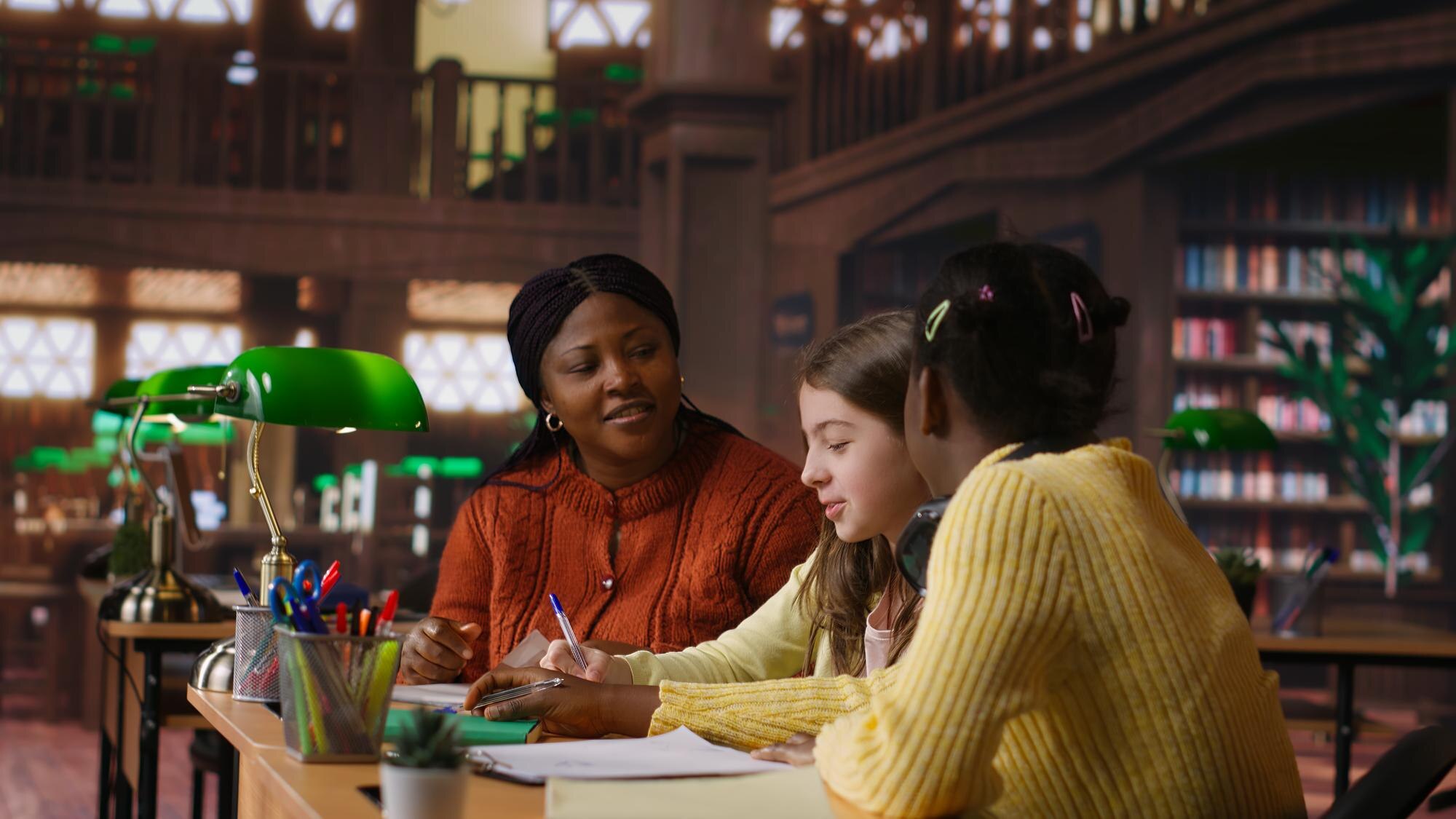
Personalised learning is more than just a technique; it’s a holistic approach that transforms how you engage with students.
Boosting Student Agency
Empowering students is the heart of personalised learning. When students feel in control, they engage more deeply. Imagine a classroom where students choose their projects and topics. This choice creates ownership, leading to remarkable progress.
One way to boost agency is by setting clear learning goals. Let students decide how they reach these goals. This could be through projects, presentations, or research. The result? More motivated learners ready to explore their interests. Most educators find that when students guide their learning journey, engagement skyrockets.
Exploring Learner Profiles
Understanding each student is crucial. Learner profiles can help you tailor lessons to individual needs. These profiles include interests, strengths, and areas for growth. Knowing these details can shape how you teach and connect with students.
Creating a learner profile is simple. Begin with a survey or a one-on-one chat. Ask about their favourite subjects, hobbies, and what they find challenging. This information helps you design lessons that resonate. It’s about meeting them where they are and guiding them forward.
Differentiation vs Personalisation
Differentiation and personalisation might sound similar, but they’re distinct. Differentiation involves adjusting teaching methods to cater to different learning styles. Personalisation, on the other hand, tailors the learning experience to each student.
Think of differentiation as offering diverse paths to the same destination. Personalisation allows students to set their own destinations. In practice, this means providing varied resources and letting students choose. This approach fosters independence and critical thinking, essential skills for the future.
Strategies for Success
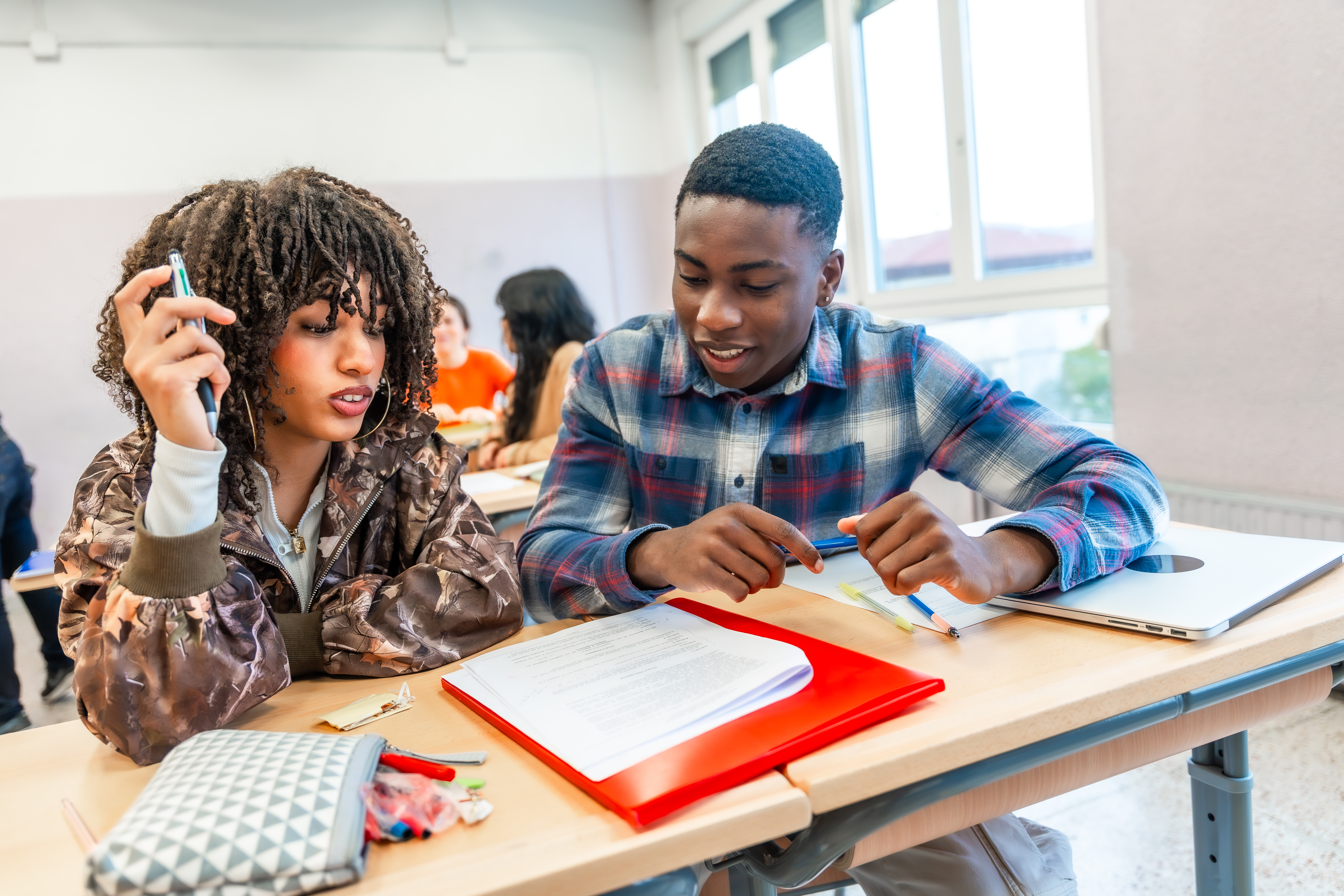
Equipped with foundational knowledge, it’s time to explore strategies that make personalised learning effective and exciting.
Flexible Pathways and Project-Based Learning
Project-based learning (PBL) is a powerful tool. It offers flexible pathways for students to explore topics deeply. In PBL, students tackle real-world problems. This approach builds critical thinking and collaboration skills.
To implement PBL, start with a question or problem relevant to the curriculum. Let students choose their method of exploration. They could create a presentation, write a report, or build a model. This flexibility keeps learning engaging. Remember, the aim is to connect knowledge to real-life situations, making education meaningful.
Voice and Choice through Choice Boards
Choice boards are a simple yet effective strategy. They offer students options in how they demonstrate their understanding. Imagine a menu of activities where students pick what interests them most. This method fosters creativity and engagement.
Creating a choice board is easy. List different activities related to a topic. For instance, students could write an essay, create a video, or design a poster. By giving them a say in their learning process, you boost their confidence and motivation. Teachers often notice improved student performance with this method.
Real-World Learning with Classroom Protocols
Classroom protocols guide discussions and activities. They create a structure that makes learning dynamic and inclusive. Protocols encourage every student to participate and share insights.
Introduce protocols like “Think-Pair-Share” or “Gallery Walk.” These strategies facilitate collaboration and reflection. They help students connect classroom lessons to real-world scenarios. By incorporating protocols, you’re not just teaching content but building a learning community where everyone contributes.
Tools and Resources for Tomorrow
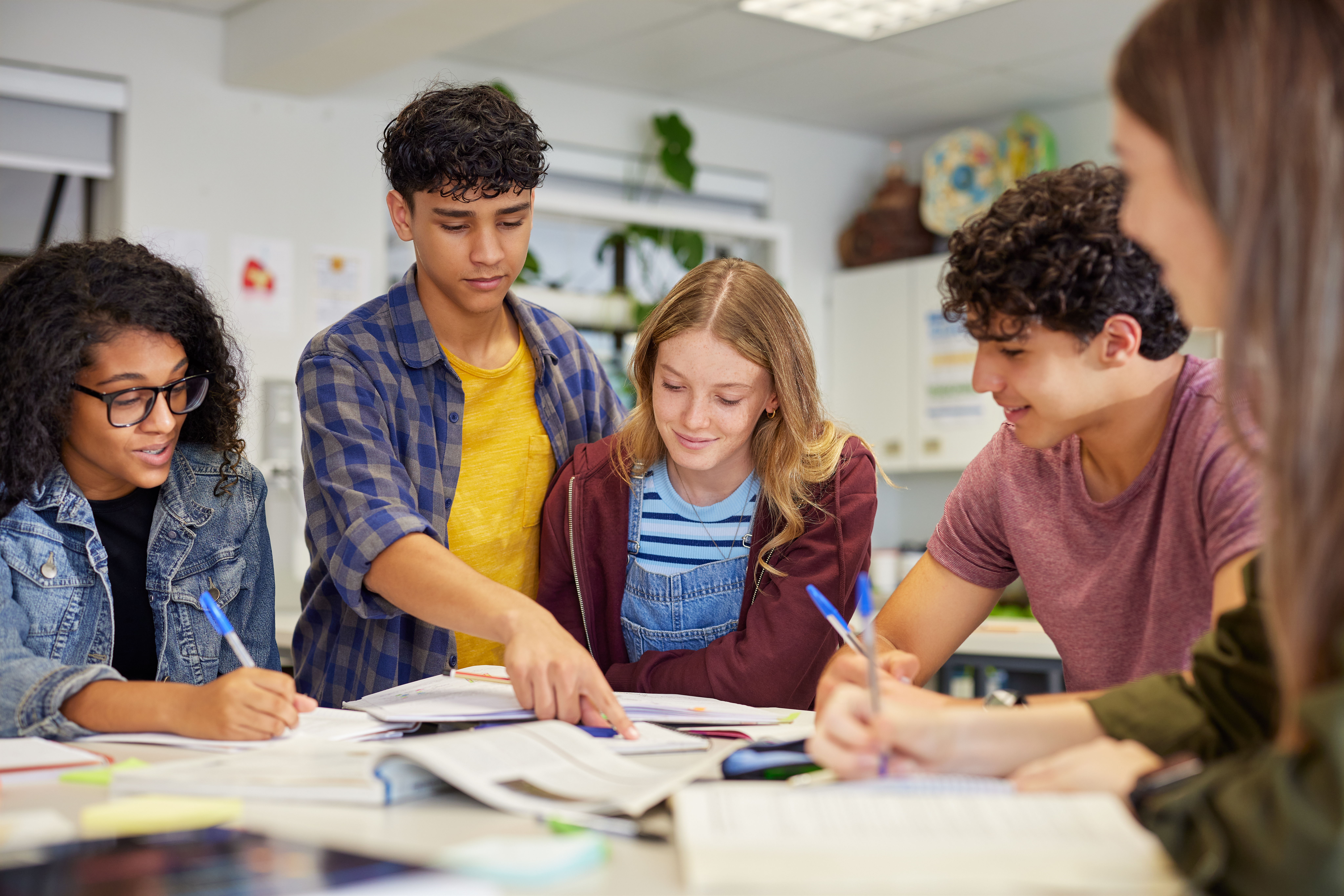
With strategies in place, let’s delve into tools and resources that ensure personalised learning is effective and sustainable.
Future-Focused Teaching and Mastery Learning
Future-focused teaching prepares students for a changing world. Mastery learning is a key component. It ensures students truly understand a subject before moving on. This approach builds a strong foundation for higher-level thinking.
Incorporate technology and innovative resources. Teach for Tomorrow offers courses and materials designed for modern classrooms. These resources support mastery learning by providing interactive and engaging content.
Formative Assessment and Metacognition Strategies
Formative assessments are ongoing checks of student understanding. They help you adjust teaching methods to meet student needs. Metacognition, or thinking about thinking, is a powerful strategy that boosts learning.
Use quizzes, reflections, and peer assessments to gauge understanding. Encourage students to reflect on their learning process. Ask questions like, “What strategy worked best for you?” This reflection fosters self-awareness and a growth mindset.
Wellbeing in Schools and Teacher CPD 🌟
Wellbeing is crucial in education. A supportive environment enhances student learning. Teacher professional development (CPD) is equally important. It equips educators with the skills to implement personalised learning effectively.
Focus on creating a positive classroom atmosphere. Incorporate mindfulness exercises and encourage open discussions. For teachers, Teach for Tomorrow offers CPD resources that support ongoing growth. Remember, a healthy school environment benefits everyone.
In conclusion, personalised learning is a journey that transforms education. By incorporating these strategies and resources, you can create an engaging and future-focused classroom. Embrace this approach and watch your students thrive.
