


 Paul Slowey
From Setbacks to Set-ups: Building Student Resilience in a Future-Focused Classroom
Most classrooms still treat setbacks as interruptions, not opportunities. Yet, building student resilience in education means shifting that view—helping learners turn challenges into stepping stones for growth. In this post, you’ll find practical strategies and routines that connect identity, learner agency, and wellbeing with higher-order thinking skills. Ready to reshape your classroom and prepare students for tomorrow? Learn more about strategies to build student resilience. Let’s get started.
Building Student Resilience

Shaping a resilient student begins with redefining setbacks as growth opportunities. This mindset shift encourages students to tackle challenges head-on. Let’s explore how educators can foster resilience.
Practical Strategies for Educators
Building student resilience requires practical approaches. One method is to create a supportive classroom environment where students feel safe to fail and try again. Encourage open discussions about mistakes and solutions, and this will help students view challenges as part of their learning journey.
Incorporate reflective exercises, where students assess their strategies and outcomes. This practice builds self-awareness and adaptability, vital components of resilience. Implementing these strategies consistently can transform how students handle obstacles.
Resilience in education also thrives on collaboration. Group activities where students solve problems together not only build teamwork but also teach students to rely on peer support. This network of support strengthens individual confidence and resilience over time.
Classroom Routines for Resilience
Daily routines can significantly impact resilience. Start by incorporating a morning check-in where students share one challenge and a goal for the day. This habit promotes goal-setting and accountability.
Develop routines that include mindfulness practices. Simple breathing exercises or short meditations can help students manage stress and maintain focus. These routines encourage a sense of calm and resilience in the face of difficulties.
In addition, regular feedback sessions guide students in recognising progress and areas for improvement. These sessions should be constructive and supportive, helping students build resilience through continuous learning.
Reflective Practice in Teaching
Reflective practice isn’t just for students; it’s crucial for teachers too. By regularly evaluating your teaching methods, you can identify what’s working and what needs adjustment. This practice ensures your strategies remain effective and responsive to student needs.
Engage with other educators through forums or professional groups to exchange insights and experiences. This collaboration can inspire new approaches and reinforce your commitment to fostering a resilient classroom.
Reflective teaching not only enhances your effectiveness but also models a growth mindset for your students, demonstrating that learning and improvement are lifelong pursuits.
Future-Focused Teaching

Resilient students are future-ready students. To ensure that, educators must focus on teaching that prepares learners for real-world challenges.
Higher-Order Thinking Skills
Fostering higher-order thinking skills is key. Encourage students to analyse, evaluate, and create rather than memorize. Use open-ended questions that require critical thinking and problem-solving.
Incorporating case studies or real-world scenarios can help students apply their knowledge practically. This approach not only enhances understanding but also prepares students for situations beyond the classroom.
For example, in a history lesson, ask students to debate the impacts of a historical event from multiple perspectives. This task develops their ability to think critically and argue coherently, skills essential for their future.
Project-Based Learning Techniques
Project-based learning is an excellent way to develop resilience. By working on long-term projects, students learn persistence and time management. They encounter challenges that require creative solutions, strengthening their problem-solving abilities.
Introduce projects that connect with real-world issues. This relevance increases student engagement and commitment to the task. Allow students to choose topics that interest them, which further fuels motivation and personal investment in learning.
Provide guidance but encourage independence. Let students make decisions and learn from their outcomes. This autonomy builds confidence and resilience, preparing them to tackle future challenges on their own.
Growth Mindset Classroom
Creating a growth mindset classroom shifts the focus from fixed abilities to potential and development. Praise effort and perseverance, not just results, to motivate students to embrace learning challenges.
Encourage students to set personal goals and reflect on their progress. This practice instills a sense of ownership and responsibility for their learning journey. Provide examples of famous figures who overcame setbacks to achieve success, reinforcing the power of perseverance.
A classroom that cultivates a growth mindset helps students view failure as a learning opportunity, thus building resilience and a lifelong love for learning.
Enhancing Learner Agency
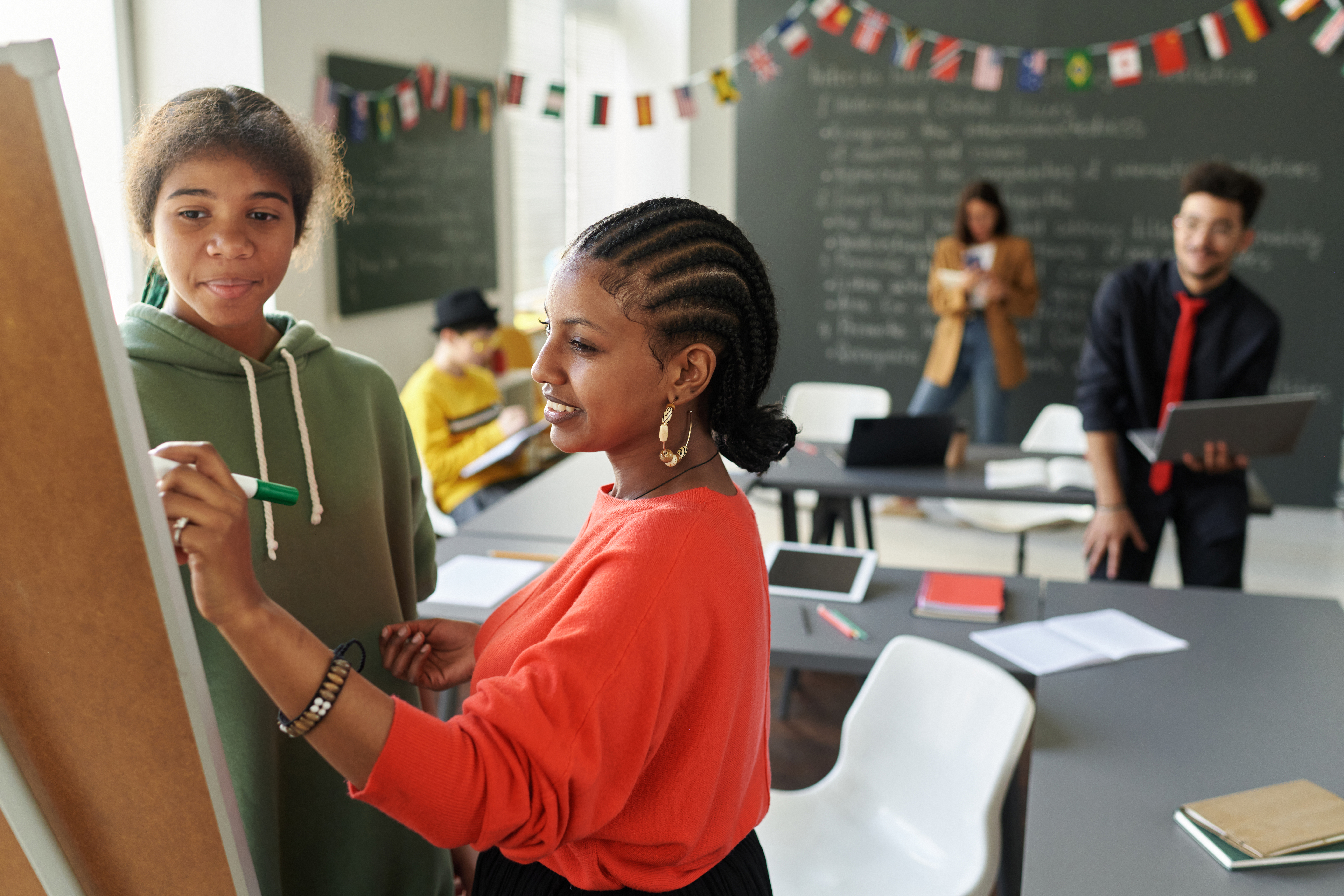
Empowering students with agency transforms them into active participants in their education, fostering resilience and motivation.
Student Self-Regulation Techniques
Teach student self-regulation to help them manage their learning processes. Introduce tools like planners or digital apps to track assignments and deadlines. This practice encourages independence and accountability.
Guide students in setting realistic goals and developing action plans. Regularly check in on their progress and offer support when needed. These skills empower students to take charge of their learning and remain resilient when faced with challenges.
Feedback Protocols for Growth
Effective feedback protocols are crucial for student growth. Provide specific, actionable feedback that focuses on improvement rather than criticism. This approach encourages a positive and proactive response from students.
Encourage peer feedback sessions. These opportunities allow students to learn from one another and develop critical analysis skills. Peer feedback fosters a community of learners who support and motivate each other, enhancing resilience across the classroom.
Ensure feedback is timely and consistent. Regular feedback keeps students informed about their progress and highlights areas for improvement, motivating continued effort and growth.
Belonging and Motivation in Schools
A sense of belonging and motivation in schools is vital for student resilience. Create an inclusive classroom environment where every student feels valued and respected. Recognise and celebrate diverse achievements to foster a sense of community.
Encourage participation in extracurricular activities that align with students’ interests. These opportunities build social connections and personal development, enhancing motivation and engagement.
Motivation thrives in an environment that celebrates curiosity and creativity. Encourage students to explore their passions and share their discoveries, building a vibrant classroom community where resilience and innovation flourish.
By implementing these strategies, you’re not only building student resilience but also preparing them for a world filled with endless possibilities. Embrace this journey and inspire your students to reach their full potential.
