


 Paul Slowey
From Classroom to Community: Project‑Based Learning with Real‑World Purpose
Forget everything you know about project-based learning. Most approaches miss the mark by focusing on tasks rather than real-world impact. This post will show you how to connect curriculum to genuine problems, boost student agency, and sharpen higher-order thinking skills with PBL that truly matters. Ready to engage your students like never before? Let’s get started. Explore more about building real-world skills with project-based learning here.
Connecting Curriculum to Real Life
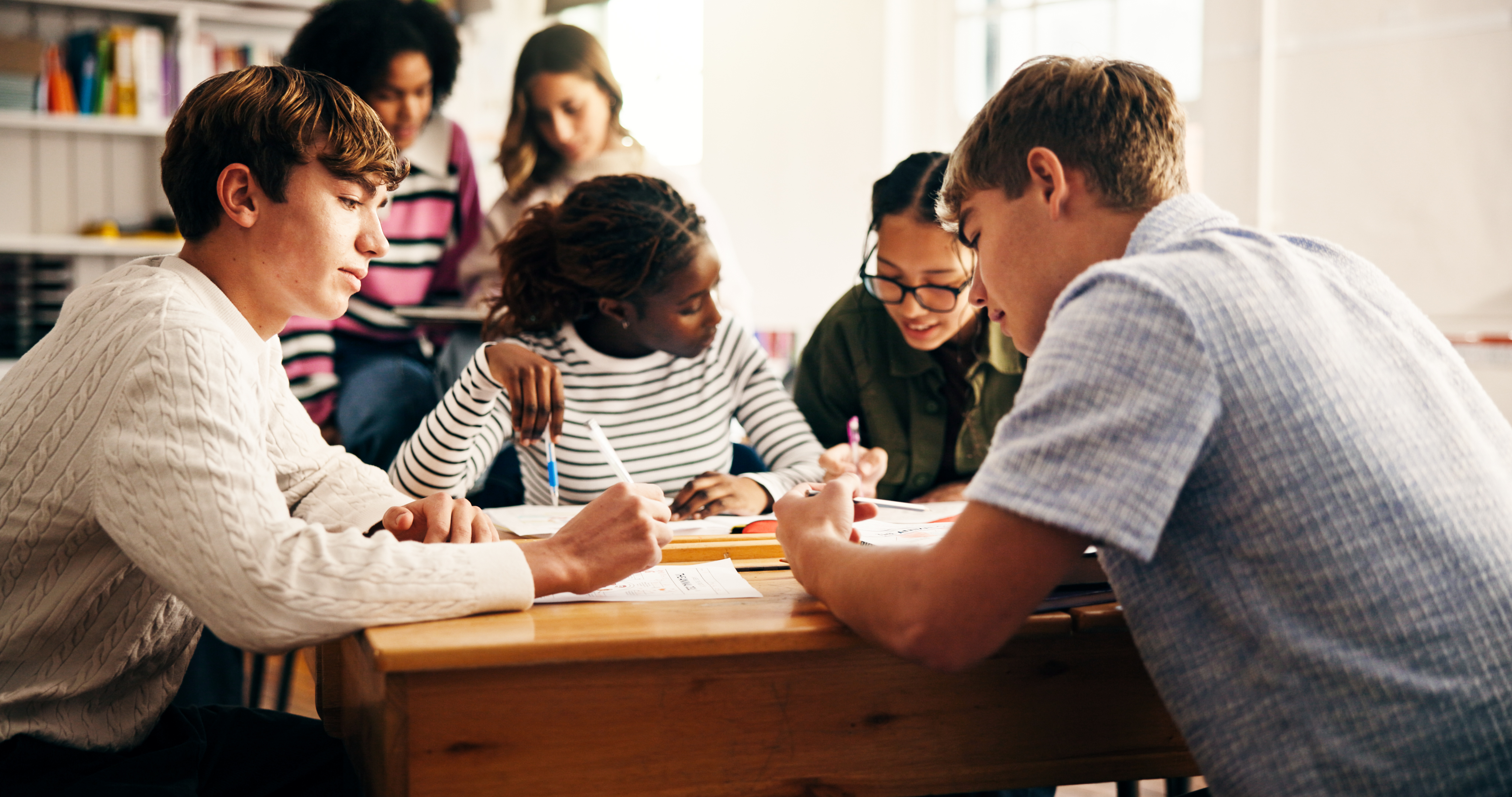
Bridging the gap between textbooks and tangible experiences can transform your classroom. When lessons connect to real-world issues, students find purpose and motivation.
Engaging Students with Real-World Challenges
Imagine students tackling a local environmental issue. They research solutions, propose projects, and present findings. This hands-on approach not only teaches science but also empowers them to make a difference. As a result, students become active learners who care about their community. Learn more about real-world challenges in education.
By working on genuine problems, they see the value of their education. It’s not just theory; it’s preparation for life. Real-world projects also help them develop skills like critical thinking and teamwork. Most people assume students only learn when memorising facts, but engaging them with reality proves otherwise. Here’s the key insight: real-world learning boosts engagement by making school relevant.
Building Authentic Community Partnerships
Consider partnering with local businesses or organisations. They can offer practical insights and resources for projects. For instance, a local charity might collaborate on a social impact project, providing students with real-life roles and experiences. This connection fosters a sense of belonging and responsibility.
Such partnerships create a bridge between schools and communities. They show students how their education impacts the world outside the classroom. By involving community members, students learn from diverse perspectives. They see the power of collaboration, which is essential for future success.
Promoting Global Citizenship Education
Projects that address global issues broaden students’ horizons. By exploring topics like climate change or global health, they become global citizens. Students learn empathy and cultural understanding, crucial traits in today’s interconnected world.
This type of education encourages students to think beyond their local environment. They see how their actions can contribute to global solutions. It’s not just about learning facts; it’s about inspiring action. Explore the impact of global citizenship on student learning.
Boosting Student Agency and Thinking

Empowering students to take charge of their learning leads to deeper engagement. When they own the process, they become more invested in outcomes.
Encouraging Higher-Order Thinking Skills
Higher-order thinking goes beyond memorisation. It involves analysis, evaluation, and creation. Encourage students to question and explore ideas deeply. For example, when investigating historical events, ask them to draw parallels with current issues. This approach enhances critical thinking skills.
Challenge assumptions by letting students lead discussions or debates. This practice fosters confidence and analytical thinking. The longer you wait to introduce these skills, the harder it becomes for students to develop them naturally.
Fostering Creativity in the Classroom
Creativity thrives in environments where students feel free to express ideas. Encourage them to think outside the box by integrating arts into projects. For instance, they might illustrate their findings or create multimedia presentations. This method not only showcases their learning but also enhances their creative skills.
Creativity is often sidelined in favour of traditional subjects, yet it is vital for problem-solving and innovation. Here’s a powerful takeaway: creativity is not just a subject; it’s a key to unlocking student potential.
Enhancing Enquiry-Based Learning
Enquiry-based learning puts students at the centre of their education. Instead of providing answers, encourage them to ask questions and seek answers. Use open-ended questions to inspire curiosity and exploration. This method nurtures a love for learning and self-directed study.
When students drive their learning, they take ownership of their education. They become motivated to discover and learn more. This approach also helps them develop research and problem-solving skills. Dive deeper into enquiry-based learning techniques.
Practical Strategies for Future-Focused Teaching
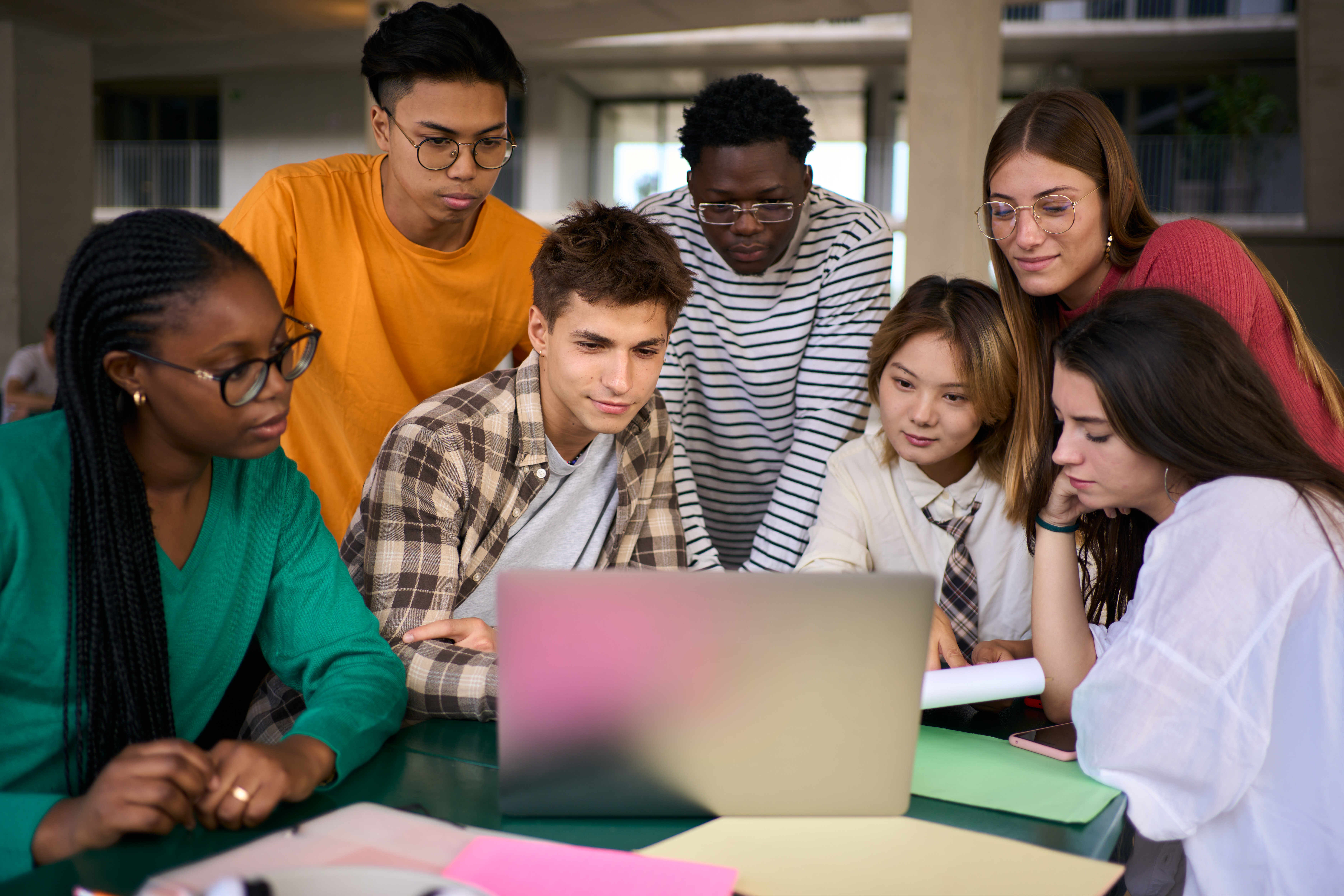
Future-focused teaching requires innovative strategies that prepare students for a rapidly changing world. By integrating these techniques, you equip them with skills for the future.
Designing Cross-Curricular Projects
Cross-curricular projects integrate multiple subjects into a single learning experience. For example, a sustainability project might combine science, geography, and art. Students see how subjects intersect, creating a more holistic understanding.
These projects encourage students to apply knowledge in varied contexts. They learn to connect ideas, a crucial skill in real-world problem-solving. Most people think subjects should be taught in isolation, but integrating them shows their interdependence.
Implementing Formative Assessment Techniques
Formative assessments provide ongoing feedback, allowing students to reflect and improve. Use techniques like peer reviews or self-assessments to promote reflection. These strategies help students understand their strengths and areas for improvement.
Formative assessments are not just about grading; they’re about growth. They encourage students to take responsibility for their learning journey. Discover more about assessment techniques in education.
Developing Collaboration Skills and Reflection Protocols
Collaboration is key in today’s world. Encourage students to work in teams, fostering communication and compromise skills. Use reflection protocols to help them evaluate their teamwork and personal contributions.
When students learn to collaborate effectively, they prepare for future workplaces. They discover the power of diverse ideas and learn to resolve conflicts. Reflection protocols further enhance this by promoting self-awareness and growth.
By embracing these strategies, you prepare students for a future filled with possibilities. Remember: the classroom is not just a place for learning; it’s a launchpad for life. 🌟📚✨
