


 Paul Slowey
Future‑Focused Teaching in Secondary: 9 Practical Strategies You Can Use Tomorrow
Forget the idea that preparing students for tomorrow means complicated plans and endless resources. You can start future-focused teaching in your secondary classroom with clear, practical strategies that fit today’s reality. This guide offers nine proven approaches—like student agency and project-based learning—that you can apply tomorrow to boost engagement and develop 21st-century skills. Ready to transform your high school pedagogy with tools that work? Let’s get started.
Strategies for Student Agency

Empowering students to take control of their learning journey is not only transformative but essential for developing lifelong learners. When learners feel ownership over their learning, engagement and motivation soar.
Encouraging Ownership in Learning
Imagine a classroom where students lead the way. To foster this, start by creating opportunities for student choice. Allow them to select topics that interest them within the curriculum. This simple tweak can ignite passion and encourage deeper exploration. Project-based learning is another powerful tool. When students work on projects that matter to them, they see the relevance of what they’re learning. They become more invested in the outcomes and learn to navigate their own educational path.
To further this, set clear goals with your students. Guide them in setting realistic and challenging targets. This not only gives them a sense of direction but also helps them track their progress. By regularly reviewing these goals, students learn to self-assess and adjust their strategies. Want even more ideas? Check out these guiding resources.
Fostering Decision-Making Skills
Decision-making is a critical life skill. Encourage students to make decisions about their learning. Start small: let them decide on group roles in team projects or choose the format for presenting their work. These experiences build confidence in their ability to make choices. Use real-world scenarios to practice decision-making. Present dilemmas or cases that require students to evaluate options and consider consequences. This not only sharpens their analytical skills but also teaches empathy and understanding of different perspectives.
Another strategy is to create a classroom environment where questions and curiosity are encouraged. When students feel safe to explore and question, they gain confidence in their ability to tackle challenges. For more strategies on building future skills, explore these high-growth instructional strategies.
Higher-Order Thinking in Action
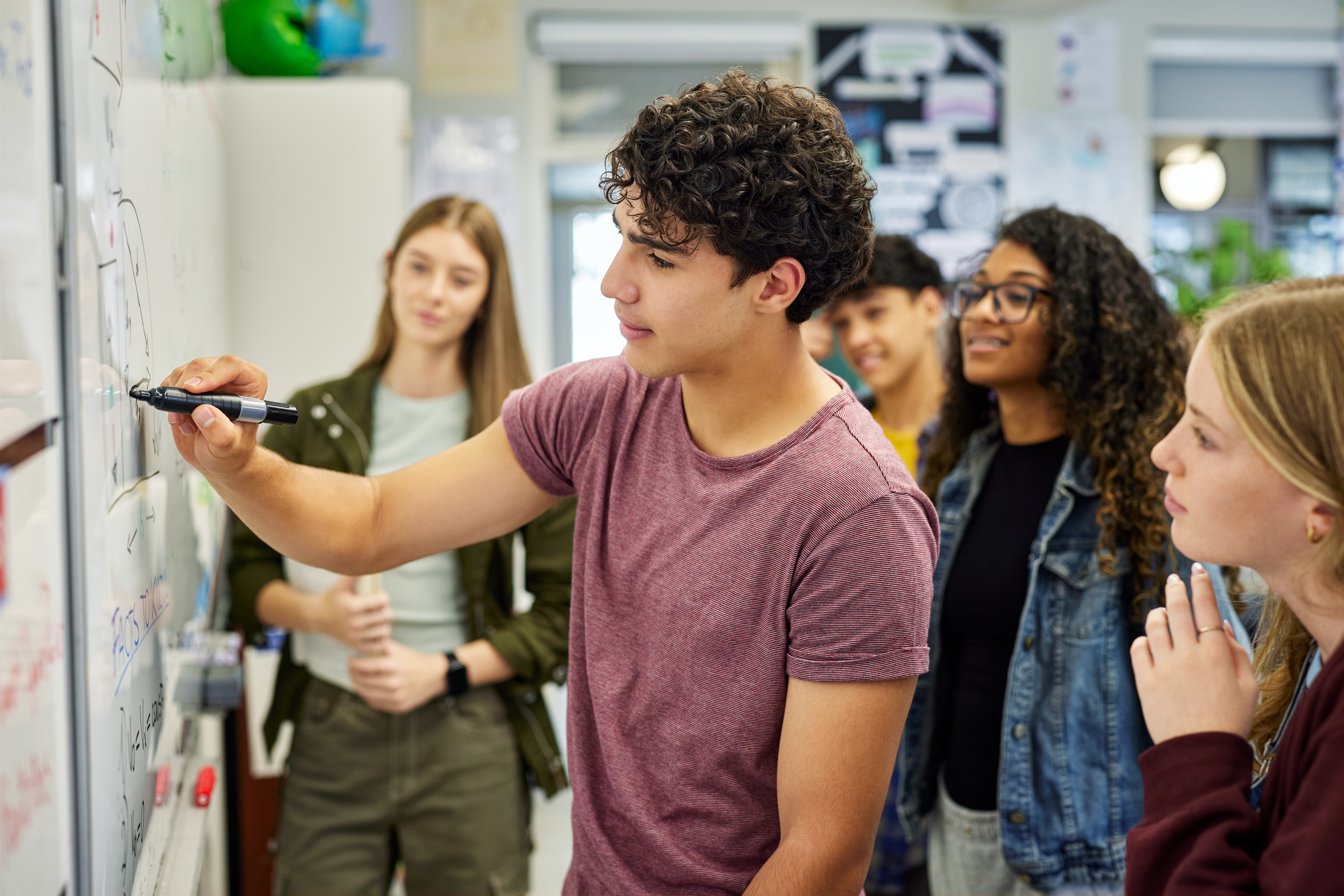
Building critical thinking and analytical skills is key to preparing students for complex real-world problems. Let’s dive into how you can integrate these into your classroom dynamics.
Developing Critical Thinking
Start by posing open-ended questions that challenge students to think deeply. Questions like “What would happen if…?” or “Why do you think…?” encourage learners to explore beyond the obvious. Use Socratic seminars to facilitate this. These discussions, where students explore questions collectively, help in developing their reasoning skills.
Another technique is to incorporate problem-based learning. By presenting learners with complex problems to solve, you encourage them to apply their knowledge creatively. They learn to research, collaborate, and think critically about solutions. This approach mirrors real-world challenges, making learning relevant and engaging.
Encouraging Analytical Discussions
Foster an environment where students feel comfortable expressing their ideas and debating different viewpoints. Peer discussions can be a great way to practice this. Encourage students to present arguments, backed by evidence, and to critique each other’s perspectives respectfully. This not only enhances their analytical abilities but also builds communication skills.
Incorporate case studies relevant to the subjects you’re teaching. By analysing these cases, students learn to draw connections and see the broader implications of their studies. This practice sharpens their analytical thinking and prepares them for future academic and professional demands. Discover more on how to implement these strategies effectively with these career readiness tips.
Interdisciplinary Learning Approaches
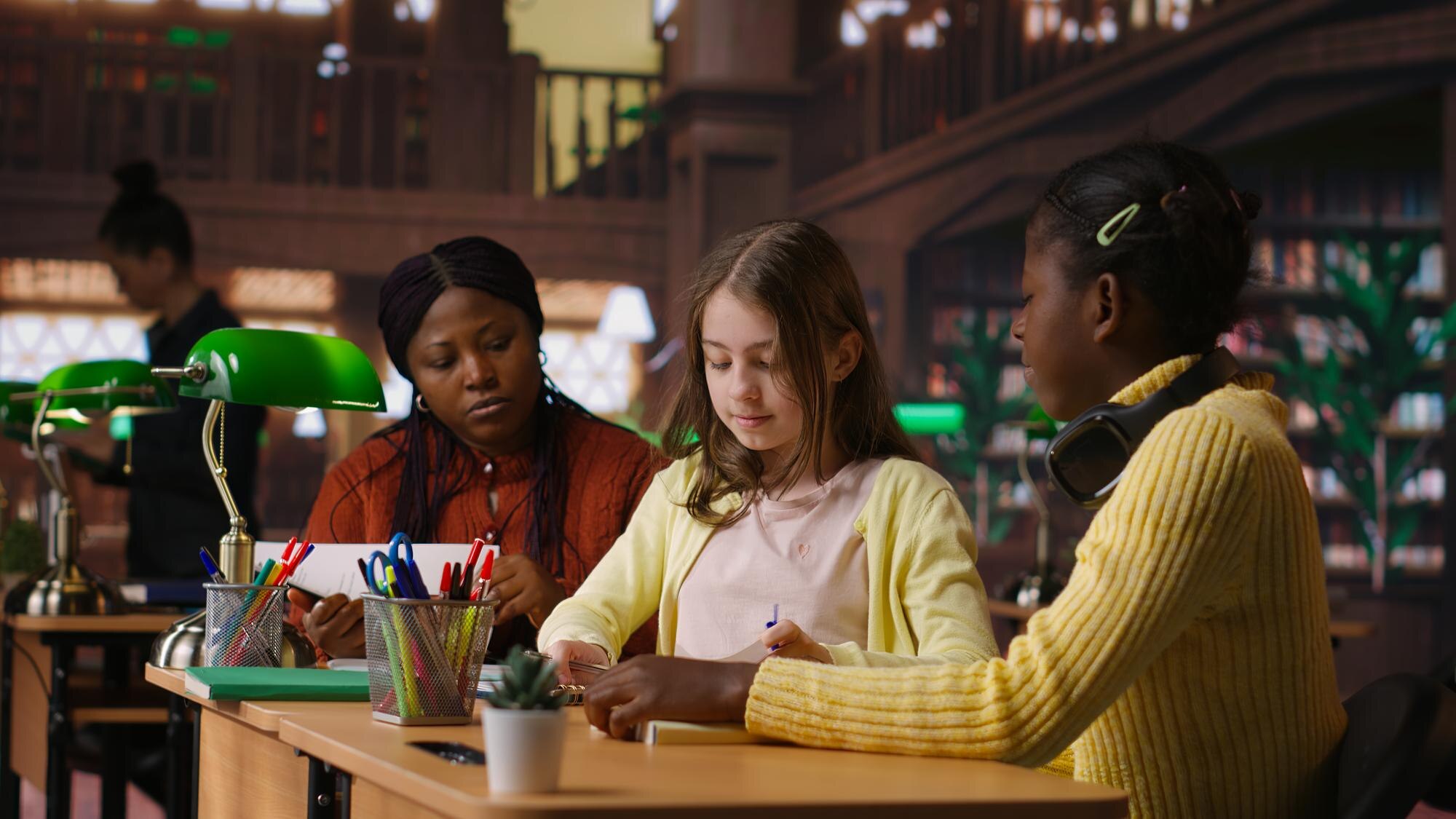
Bridging connections between subjects can deepen understanding and make learning more cohesive. Let’s explore how to apply interdisciplinary strategies in your classroom.
Connecting Subjects for Deeper Understanding
By connecting different subjects, you can help students see the broader picture and understand the relevance of their learning. For instance, link history and literature by exploring the historical context of novels. This not only enriches their comprehension but also enhances their interest. Implement thematic units that encompass multiple disciplines. This allows students to see how concepts interlink and are applied in various contexts.
You might also consider collaborative projects where different subject teachers team up. This approach shows students the interconnectedness of knowledge, encouraging them to think beyond traditional boundaries. For further insights, explore how school networks promote future-focused success.
Real-World Application of Concepts
To make learning meaningful, tie classroom concepts to real-world applications. Engage students in projects that have tangible outcomes, like community service initiatives or environmental research. This not only reinforces their learning but also gives them a sense of contribution and impact.
Invite guest speakers who can share real-world experiences related to the subjects being studied. This brings a fresh perspective and shows students how their learning applies beyond the classroom. Encouraging students to apply their knowledge in practical scenarios fosters a deeper understanding and prepares them for future challenges.
🎓📚✨
With these strategies, you can transform your teaching approach and equip your students with the skills they need for the future. Embrace these methods and empower your students to become the thinkers and leaders of tomorrow.
