


 Paul Slowey
From Compliance to Curiosity: How Project‑Based Learning Boosts Student Engagement
Forget the old routine where students mechanically tick boxes to meet requirements. Too often, pupil engagement fades when lessons feel disconnected from real life. Project-based learning flips that script by placing curiosity and student agency centre stage, sparking authentic learning through real-world projects. In this post, you’ll uncover how PBL lifts student engagement and find practical ways to bring these ideas into your classroom today. Ready to transform your approach? Learn more about the importance of project-based learning here.
From Compliance to Curiosity
Shifting the Classroom Dynamic
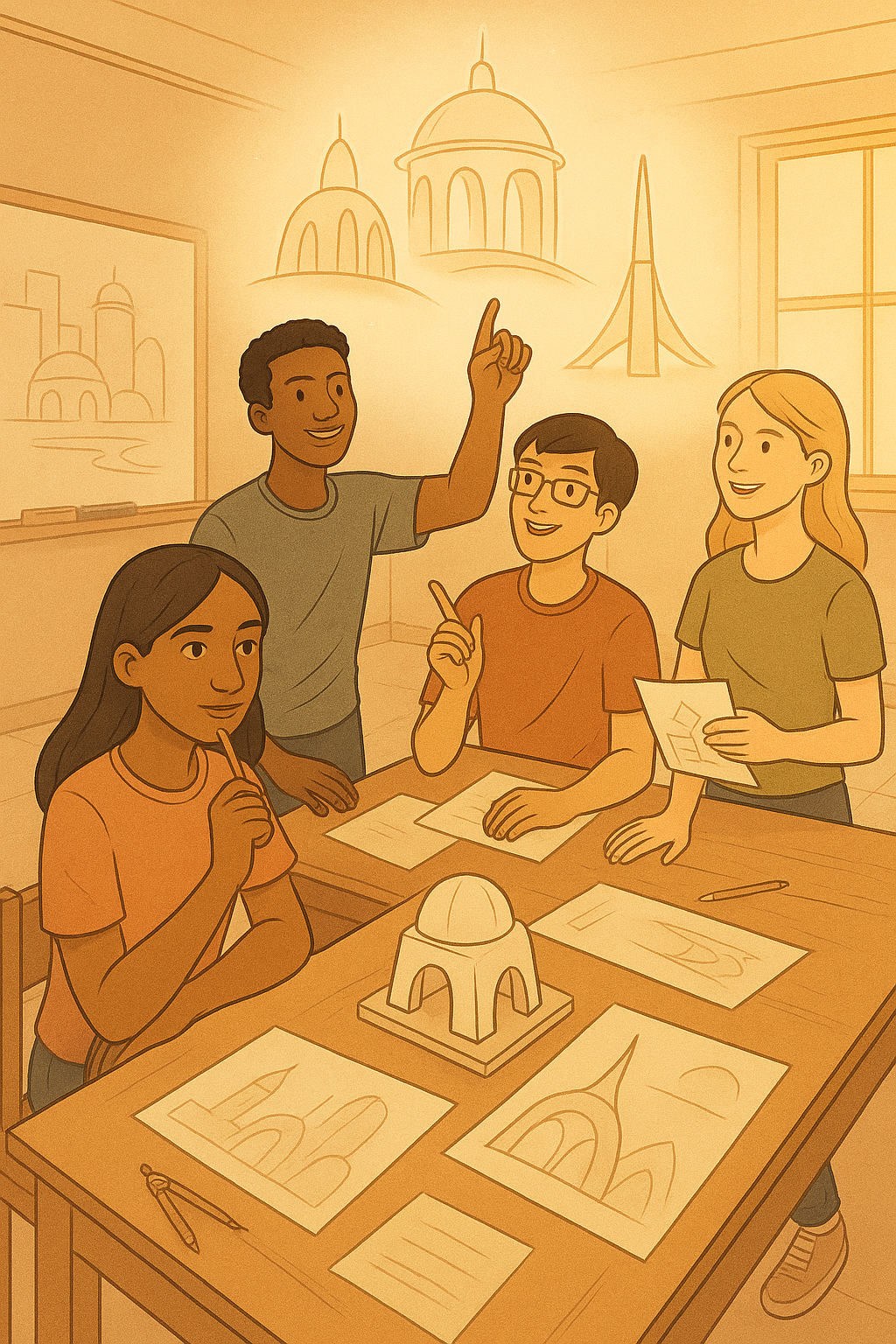
The traditional classroom often places students in passive roles, but this can change. By rethinking how lessons are delivered, we open up new ways for students to engage actively. This isn’t just about improving grades; it’s about sparking a love for learning that stays with them.
Imagine your classroom buzzing with discussion and ideas. With project-based learning, students take charge of their learning journey. They explore topics that matter to them, driving their own investigations and solutions. Project-based learning encourages deeper understanding and retains knowledge in meaningful ways.
Benefits of Authentic Learning
Authentic learning connects lessons to real-world experiences, making education relevant. When students see how their work applies beyond the classroom, their investment grows. This isn’t a new trend; it’s a proven approach that enhances engagement and learning outcomes.
Real-world projects can transform how students perceive school. Instead of memorising facts, they apply knowledge to practical scenarios, which enhances retention and skill development. Research shows that this kind of learning can yield better student outcomes, fostering creativity and critical thinking. Explore the benefits of project-based learning to see how it can reshape your teaching approach.
Building Student Agency
Empowering students to take control of their learning is transformative. When given choice and responsibility, students become more motivated and engaged. This shift from teacher-led to student-driven learning nurtures independent thinkers.
Student agency means students have a voice in their education. They choose projects that interest them, fostering a sense of ownership and commitment. This approach not only builds confidence but also encourages lifelong learning. By focusing on student agency, we create environments where learners thrive, preparing them for future challenges.
Practical Starting Points for PBL

Engaging Real-world Projects
Real-world projects bring lessons to life. Start by identifying topics that resonate with your students. Consider what’s happening in their community or globally. These connections make learning feel relevant and urgent.
Projects should challenge students and push them to explore new ideas. Encourage them to ask questions and find solutions. This process fosters critical thinking and problem-solving skills. Students become active participants in their learning, which boosts engagement and enthusiasm.
Voice and Choice in Learning
Giving students voice and choice in their education fosters a sense of ownership. Allow them to pick topics that excite them, and you’ll see a noticeable lift in engagement. When students care about what they’re learning, they’re more likely to invest time and effort.
Choice doesn’t mean chaos. Provide a framework that guides their exploration, but let them chart their own course. This balance between structure and freedom cultivates creativity and independence. By prioritising voice and choice, you create a dynamic and engaging learning environment.
Collaboration and Critical Thinking
Group projects teach students to work together and think critically. Collaboration is a key skill for future success. Encourage students to share ideas, debate solutions, and build on each other’s strengths.
Critical thinking is at the heart of project-based learning. Challenge students to question assumptions and explore different perspectives. These skills are essential in preparing students for real-world challenges. By fostering collaboration and critical thinking, you help students develop higher-order thinking skills (HOTS).
Resources from Teach for Tomorrow
Courses for Teacher Professional Development
Professional development is crucial for educators looking to embrace new teaching methods. Our courses offer practical insights and strategies for implementing project-based learning. Equip yourself with the skills needed to transform your classroom.
Our online courses are designed to be accessible and impactful. Whether you’re new to PBL or looking to refine your approach, our resources provide the support you need to succeed. Join a community of educators committed to future-focused teaching.
The New ABCs: Future‑Focused Teaching
Our book, “The New ABCs: Future‑Focused Teaching,” provides a roadmap for educators aiming to transform their teaching. It’s packed with ideas and frameworks to make learning more engaging and relevant.
This resource is more than a book—it’s a guide to reimagining education. If you’re ready to challenge traditional methods and embrace innovative practices, this is your starting point. Learn how to create a classroom that inspires curiosity and creativity.
Connecting with Our Community 🎓
Join a global network of educators dedicated to making a difference. Our community offers support, inspiration, and resources to help you on your teaching journey. Connect with others who share your passion for education and innovation.
By engaging with our community, you gain access to shared experiences, advice, and collaboration opportunities. Together, we can create classrooms that prepare students for the future while fostering a sense of belonging and purpose. Join us and be part of something bigger—because the future of education starts with us.
