


 Paul Slowey
Mindfulness that Matters: Embedding Student Wellbeing into Everyday Teaching
Most teachers want their students to thrive but struggle to fit wellbeing into packed schedules. Mindfulness in schools often feels like an add-on rather than an essential part of learning. What if simple, mindful classroom routines could boost focus, emotional literacy, and belonging without extra stress? This post shows how embedding student wellbeing into everyday teaching supports learning readiness and higher-order thinking—plus practical steps you can try tomorrow. Read more about the importance of mindfulness in education.
Prioritising Mindfulness in Schools
Incorporating mindfulness into school routines can be transformative. By prioritising wellbeing, schools create environments where students thrive emotionally and academically.
Embedding Student Wellbeing
Wellbeing is more than just a buzzword; it’s the key to unlocking students’ potential. When they feel good, they learn better. By making wellbeing a priority, you pave the way for improved focus and engagement. The simplest start could be integrating short breathing exercises into the day. Just a few minutes can help students reset and refocus. According to a study, 80% of students showed improved attention during lessons when mindfulness techniques were used. Explore the benefits of mindfulness in schools.
Emotional Literacy in the Classroom
Understanding emotions is crucial for social interactions and personal growth. When you teach emotional literacy, you equip students with tools to express themselves and empathise with others. Try setting aside a few minutes each day for students to share their feelings. This practice can build a supportive classroom culture. Using simple tools like emotion wheels can help students articulate what they’re feeling. Learn why mindfulness programs are vital for children.
Mindful Classroom Routines
Mindful routines aren’t about adding extra tasks; they’re about creating intentional moments. Simple practices like starting each class with a moment of silence can help students transition smoothly into learning mode. These routines don’t disrupt but enhance the flow of your classroom. By practising gratitude journals, students can focus on positive aspects of their day. This small shift can lead to big changes in mindset.
Practical Strategies for Educators
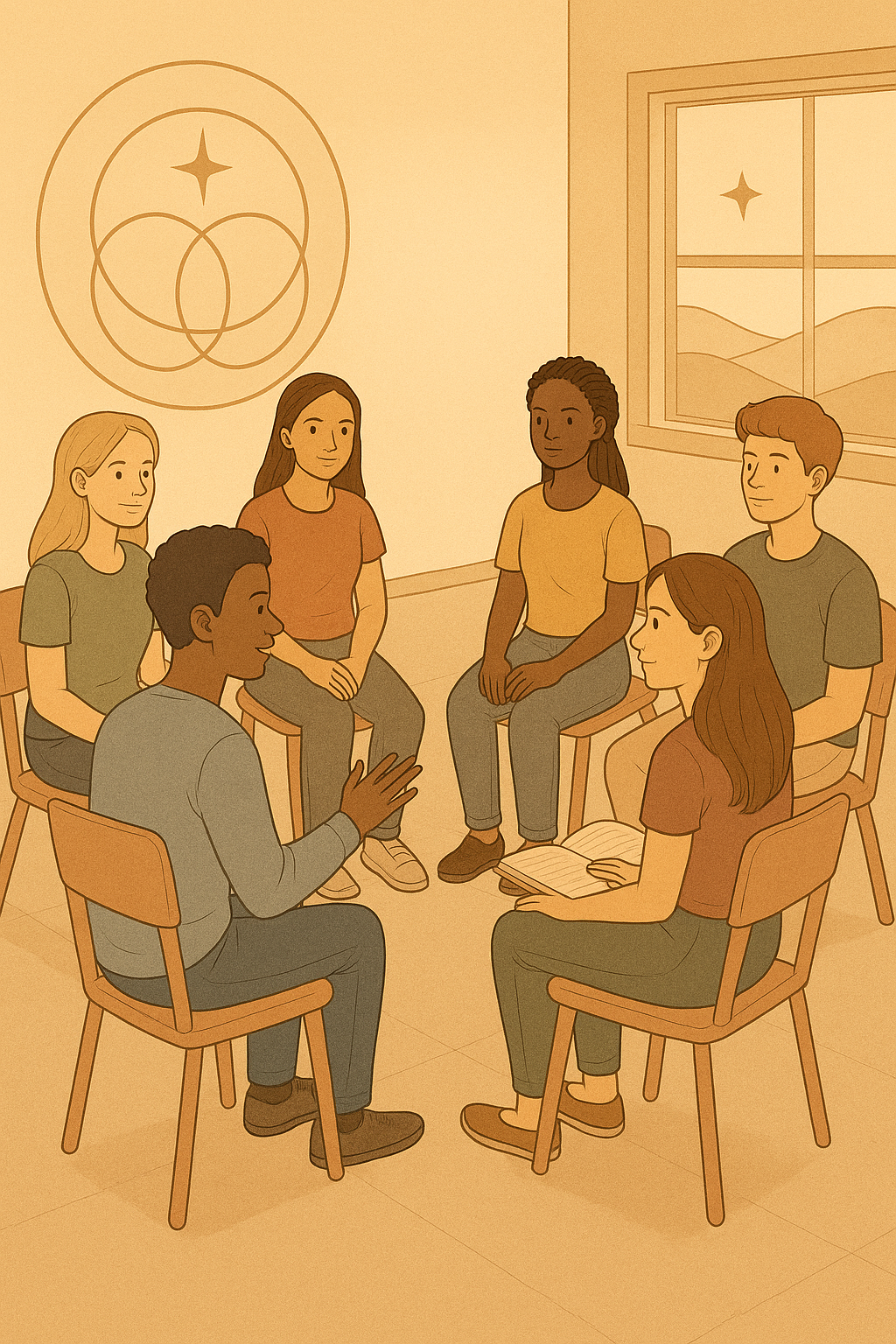
Integrate practical mindfulness techniques to transform your teaching and your students’ learning.
Tutor Time Routines for Calm
Tutor times are perfect opportunities for setting a calm tone for the day. Begin with a calming exercise like a short meditation. Students can close their eyes and focus on their breathing for two minutes. This practice can reduce anxiety and prepare them for learning. You could also introduce a daily reflection question, encouraging students to think about what they’re grateful for. Even the simple act of sharing these thoughts can foster a supportive class atmosphere.
Self-Regulation and Focus
Teaching self-regulation helps students manage their emotions and maintain focus. Introduce tools like stress balls or fidget toys for students who need them. These aids can help mitigate restlessness. Encourage students to set personal goals and reflect on them weekly. This practice promotes self-awareness and responsibility. Remember: the more students understand themselves, the better they navigate challenges.
Classroom Reflection Protocols
Reflection protocols encourage students to think critically about their learning. End lessons with a quick reflection: What was challenging? What did they enjoy? This process fosters a growth mindset. Encourage peer discussions where students can share insights and learn from each other. Over time, these reflections build a community of learners eager to improve and support one another. Discover more about the impact of mindfulness on student wellbeing.
Building a Future-Focused Classroom
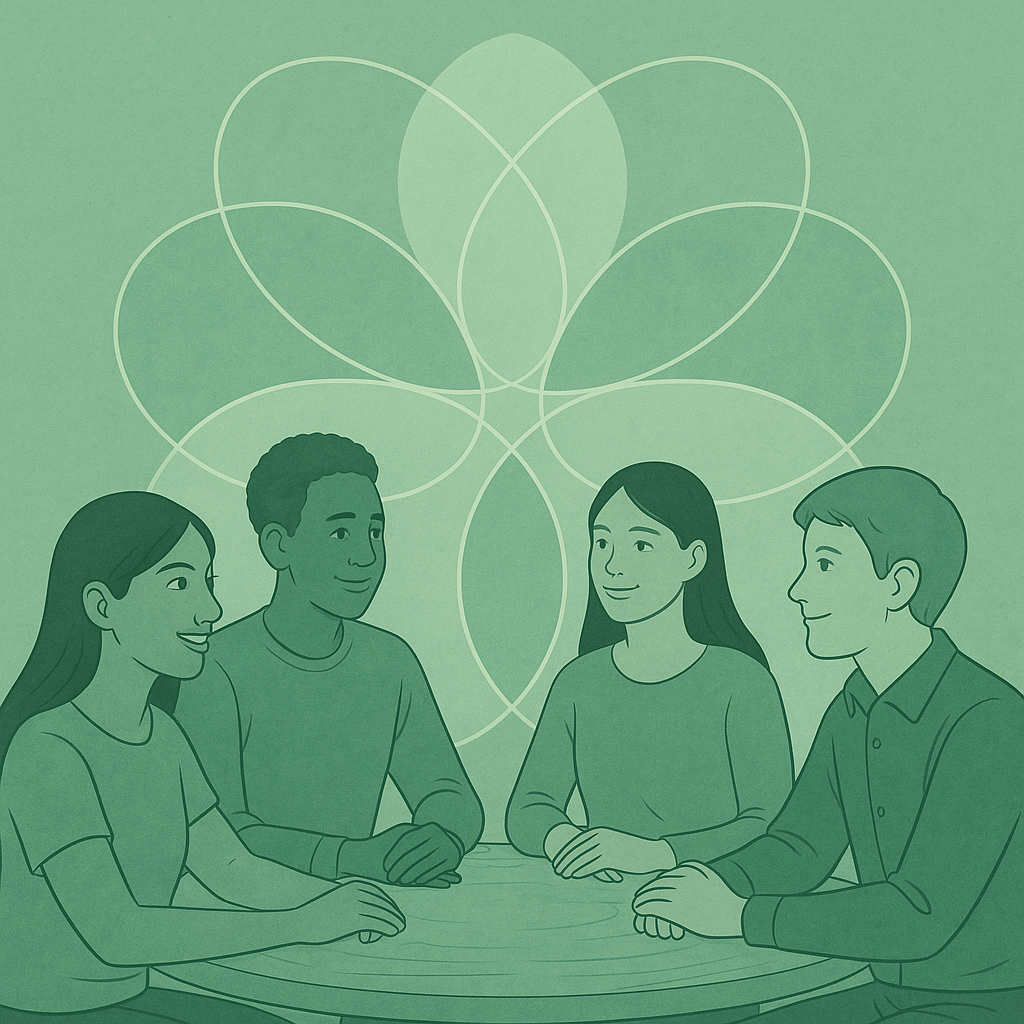
A future-focused classroom isn’t just about new tech; it’s about nurturing skills that prepare students for tomorrow.
Belonging and Agency
Every student should feel they belong. Foster this by encouraging student voice and choice in learning activities. When students feel agency, they engage more deeply. Group projects where students decide roles can empower them and enhance collaboration skills. Celebrate successes, big or small, to reinforce a sense of community. Building this environment ensures every student feels valued and motivated.
Higher-Order Thinking and Wellbeing
Encouraging students to think critically benefits their academic growth and personal wellbeing. Challenge students with open-ended questions that require evaluation and analysis. These activities not only develop cognitive skills but also promote emotional resilience. Regularly integrate problem-based learning scenarios where students work in groups to solve real-world issues. This method enhances cooperation and critical thinking.
Teacher Wellbeing Strategies
You can’t pour from an empty cup. Prioritising your wellbeing is essential to support your students effectively. Allocate time for personal mindfulness practices, like meditation or gentle exercise. Connect with fellow educators to share experiences and strategies. Remember: a healthy teacher is more equipped to foster a healthy, thriving classroom. The longer you wait to prioritise your wellbeing, the harder it becomes to maintain balance.
Incorporating these mindful practices isn’t about adding to your workload; it’s about enhancing the educational experience for you and your students. By embedding these strategies, you contribute to a more humane, future-focused educational environment. Together, we can inspire better teaching and deeper learning.
