


 Paul Slowey
Future‑ready teaching: balancing creativity, structure, and academic progress
Creativity in the classroom shouldn’t come at the expense of clear structure or academic progress—but finding the right balance can feel like a tightrope walk. Future-focused teaching helps you craft learning environments where imagination and routine support one another, making student agency and higher-order thinking skills part of everyday lessons. In this post, you’ll get practical strategies from Teach for Tomorrow that you can apply immediately to build classrooms where creativity and structure fuel real progress. For more insights into future skills for students, explore this resource.
Creativity in the Classroom
Balancing creativity with structure is crucial. It allows students to express themselves while staying on track academically. Let’s explore how you can achieve this harmony in your classroom.
Fostering Student Agency
Student agency is about giving learners control over their education. When students feel empowered, they engage more deeply. Start by offering choices in assignments. For example, let students choose between a written report or a video presentation. This simple choice can increase motivation significantly.
Another way to foster agency is through goal setting. Help students set personal learning goals and track their progress. This not only boosts their confidence but also makes learning more meaningful. Remember, when students see their ideas valued, their engagement grows.
Discover more about encouraging student agency in this article.
Structured Creativity Tips
Creativity thrives within boundaries. By setting clear guidelines, you can channel students’ creative energy productively. Use project outlines to provide a framework for creativity. For instance, a science project can include specific criteria like research, hypothesis testing, and presentation, while still allowing creative expression in how students present their findings.
Consider incorporating brainstorming sessions into your classes. Use these sessions to generate ideas before starting a project. This encourages students to think creatively within a structured framework, ensuring that their creativity leads to academic progress.
Project-Based Learning Ideas
Project-based learning (PBL) is a powerful tool for combining creativity with structure. Start by selecting a real-world problem that relates to your curriculum. Students can work on projects that require research, design, and presentation, developing both creative and critical thinking skills.
For instance, in a geography class, you might task students with creating a sustainable city model. This project would require them to apply concepts from the curriculum while using their creativity to design innovative solutions. PBL not only enhances creativity but also prepares students for future challenges by simulating real-world scenarios.
To delve deeper into PBL, explore strategies in this article.
Building Classroom Routines
Establishing effective classroom routines is vital for fostering a productive learning environment. With well-defined routines, you can create a space where creativity flourishes without compromising structure.
Practical Teaching Frameworks
Using practical frameworks helps streamline classroom activities. Begin by implementing a daily agenda. This gives students a sense of predictability and sets the tone for the day. You can also incorporate reflective journals. These allow students to record their thoughts and progress, fostering self-awareness and accountability.
Consider using technology to support your frameworks. Digital tools can help manage assignments, track student progress, and facilitate communication. With consistent routines, students can focus more on learning and less on logistics.
Assessment for Learning Approaches
Assessments should guide learning, not just measure it. Use formative assessments to provide ongoing feedback. This helps students identify areas for improvement without the pressure of final grades. Self-assessments are another valuable tool. Encourage students to evaluate their work against set criteria. This builds critical thinking and self-reflection skills.
Peer assessments can also be beneficial. Students learn to provide constructive feedback and gain new perspectives on their work. Incorporating diverse assessment methods ensures that students receive comprehensive feedback, promoting continuous learning.
Blended Learning Strategies
Blended learning combines traditional teaching with digital resources, offering a flexible approach to education. Start by integrating online resources into your lessons. For example, use educational videos to complement classroom instruction. This approach caters to different learning styles and keeps students engaged.
Another strategy is to use online platforms for discussions and collaboration. This extends learning beyond the classroom, allowing students to share ideas and work together in new ways. Blended learning not only enhances engagement but also prepares students for digital futures.
Explore more blended learning strategies in this resource.
Developing Future-Ready Skills
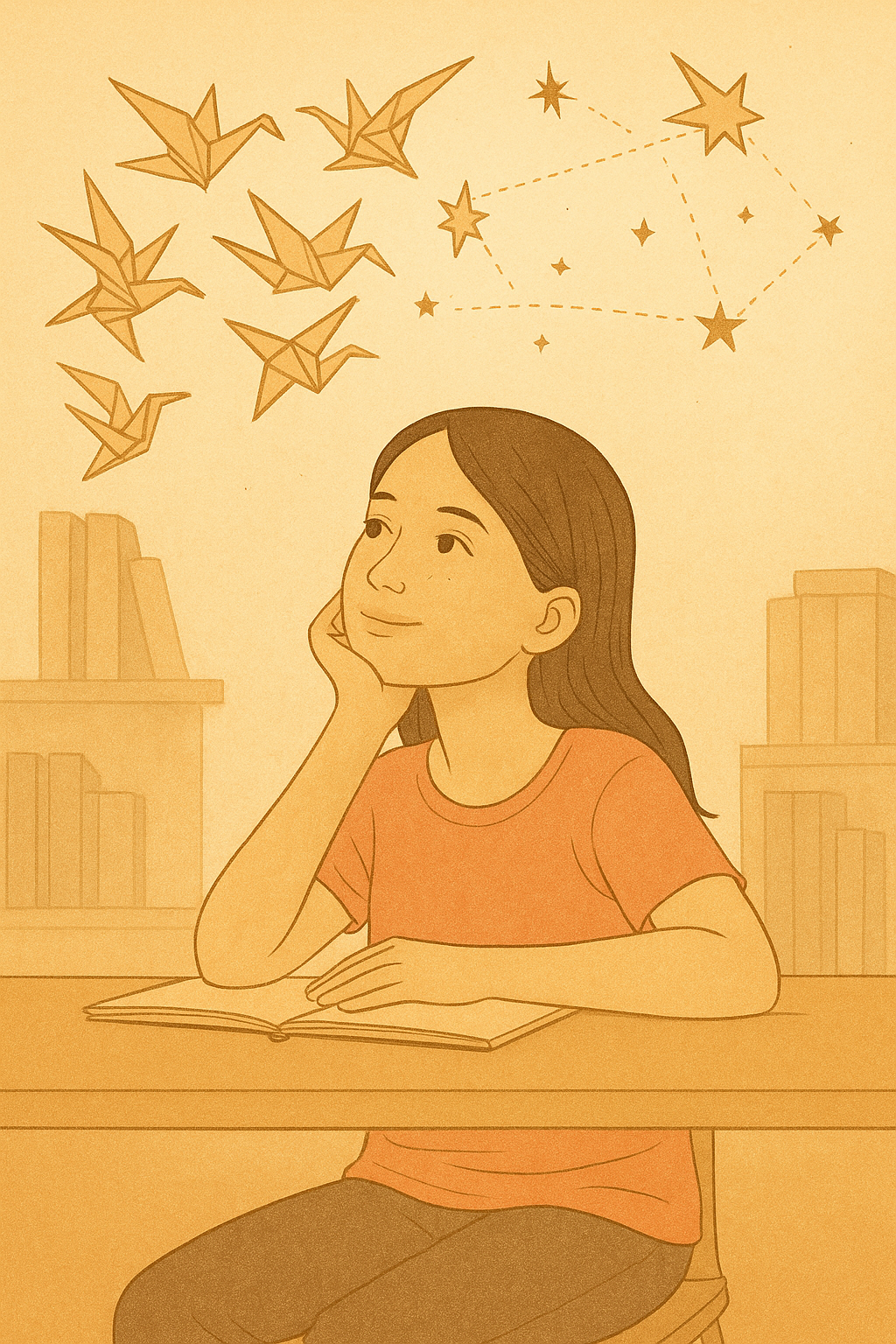
Equipping students with future-ready skills is essential in today’s rapidly changing world. These skills enable them to adapt and thrive in various environments.
Higher-Order Thinking Skills
Higher-order thinking skills (HOTS) involve critical analysis and problem-solving. Encourage students to ask open-ended questions and explore multiple solutions. For instance, in a history lesson, ask them to compare different historical events and their impacts. This promotes analysis and synthesis, key components of HOTS.
Incorporate real-world problems into your lessons. This challenges students to apply their knowledge creatively and critically. Developing HOTS not only enhances academic performance but also prepares students for complex future challenges.
To learn more about HOTS strategies, check out this resource.
Wellbeing in Schools
Student wellbeing is crucial for effective learning. Create a supportive environment by building strong relationships with your students. Regular check-ins and open communication help students feel valued and understood.
Introduce mindfulness practices into your routine. Simple activities like deep breathing or short meditation sessions can reduce stress and improve focus. Prioritising wellbeing in schools leads to happier, more engaged learners who are ready to tackle academic challenges.
Teacher Professional Development Opportunities
Continuous professional development is vital for educators to stay updated and inspired. Engage in workshops and online courses to expand your skills and knowledge. Collaborate with fellow educators to share ideas and resources. This not only enhances your teaching practice but also fosters a sense of community.
Consider exploring Teach for Tomorrow’s online courses, like the “9 Steps to a Future-Focused Classroom,” for innovative teaching strategies. Investing in your professional growth ensures that you can provide the best learning experiences for your students.
😊
