


 Paul Slowey
Building Bridges: The Role of Family and Community in Future-Focused Education
Forget the old idea that education happens only in the classroom. Your role as an educator, parent, or community leader goes far beyond lessons and homework. When families and communities unite around future-focused education, young learners build the skills and mindsets they need to thrive tomorrow. Let’s explore how collaborative learning and community involvement reshape what education can be—and how you can be part of this change.
The Power of Community Involvement
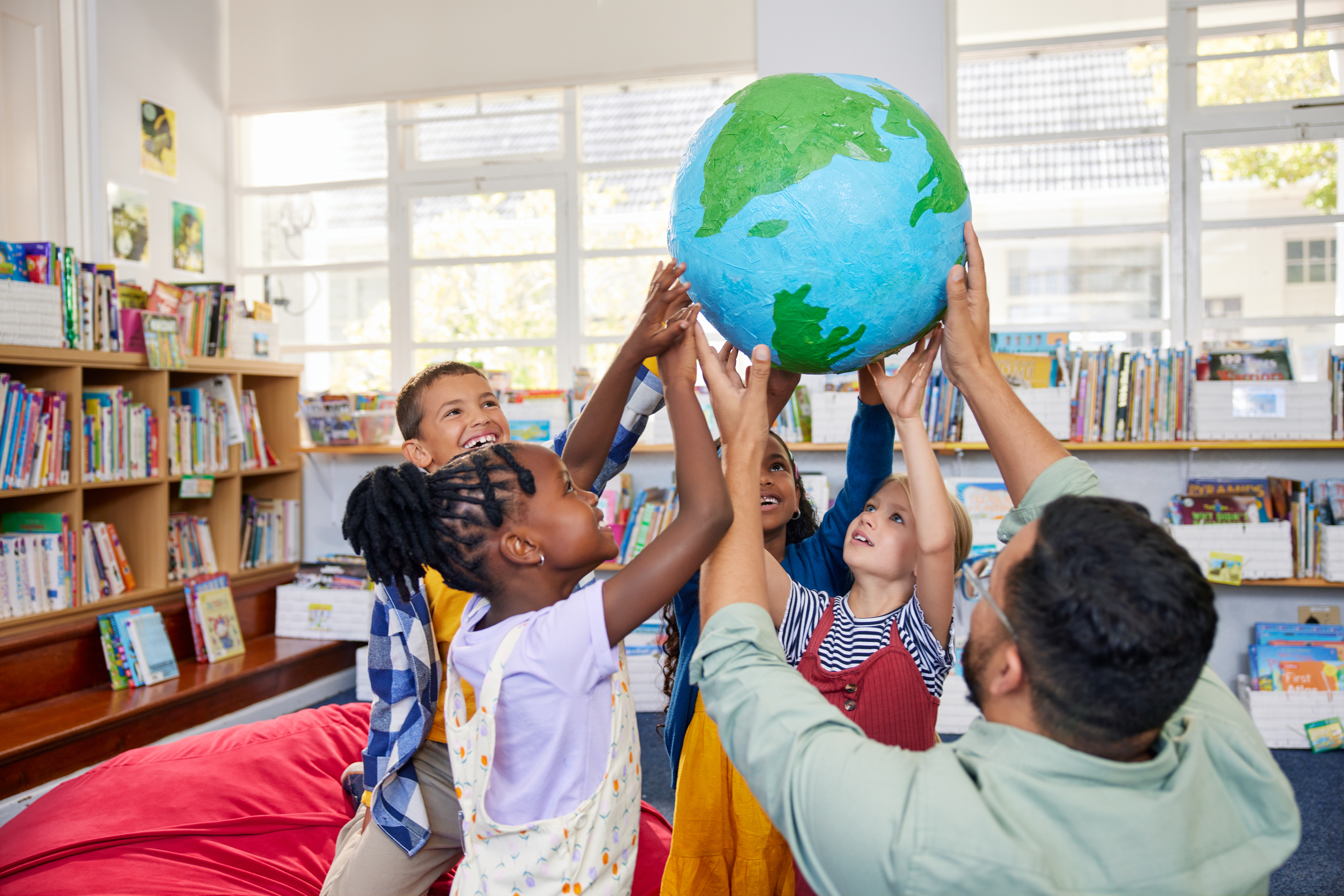
Community involvement is more than just an add-on to education. It’s a cornerstone that can transform learning environments and outcomes. Let’s see how local leaders and parents can make a real difference.
Engaging Local Leaders
Imagine a school where the local mayor or business owner is a regular visitor. Sounds interesting, right? Local leaders bring real-world insights into classrooms. They can host workshops or mentor students, providing a bridge between education and the wider world. Regular interactions with leaders also help students understand the relevance of their studies, motivating them to aim higher.
Schools can organise events where students present projects to local leaders, receiving valuable feedback. Such exchanges not only enhance learning but also build students’ confidence. When schools and local leaders collaborate, education becomes a shared community goal. The benefits ripple outward, creating a more informed and engaged community.
Learn more about engaging local leaders.
Building Strong Parent Partnerships
Think of parents as co-teachers. When schools actively involve parents, student success often follows. Parents bring unique insights about their children’s needs and strengths. Regular communication between teachers and parents ensures that both are on the same page, creating a supportive learning environment.
Schools can hold workshops to equip parents with tools to assist children at home. This partnership prepares students better for challenges. Parents also feel more connected to the school community, fostering a sense of belonging. Together, teachers and parents form an unbeatable team, focused on nurturing future-ready students.
Explore strategies for building parent partnerships.
Family Role in Education

Families play a pivotal role in education. They create an environment where learning extends beyond school hours. Let’s dive into how families can enhance this education.
Creating Collaborative Learning Spaces
Imagine a home where learning happens naturally. Creating a dedicated space for study can boost a child’s focus. This area doesn’t need to be fancy. A quiet corner with good lighting does the trick. What matters is the atmosphere. Encourage children to ask questions and explore topics that interest them.
Families can also engage in educational activities together. For instance, reading a book or solving puzzles nurtures curiosity and critical thinking. These moments, though small, accumulate over time, ingraining a love for learning. In this way, families set the stage for lifelong education.
Encouraging Lifelong Learning at Home
A thirst for knowledge doesn’t have to end with school. Families can inspire this by integrating learning into daily life. Discuss current events during dinner or explore nature during weekend outings. These activities show children that learning is everywhere.
Parents can also model lifelong learning by pursuing their own educational interests. Whether it’s taking a course or reading a new book, demonstrating this value speaks volumes. Such actions teach children that education is a continuous journey.
Discover how to encourage lifelong learning at home.
Innovative Teaching Methods

Teaching methods are evolving to meet the demands of the future. Let’s explore strategies that prepare students for tomorrow’s world.
Future-Focused Education Strategies
In today’s fast-paced world, education must keep up. Schools are now focusing on skills like critical thinking and creativity. Project-based learning is one strategy that fosters these skills. It allows students to explore complex problems and develop solutions. This hands-on approach makes learning engaging and relevant.
Technology also plays a key role. Interactive tools and digital resources can enhance traditional methods, making learning more dynamic. By integrating these strategies, educators can prepare students not just for exams, but for life.
Inspiring Future-Ready Skills and Mindsets
Preparing students for the future goes beyond academic knowledge. It’s about equipping them with the right mindset. Encouraging curiosity, resilience, and adaptability helps students tackle challenges head-on.
Teachers can inspire these qualities by creating safe spaces for experimentation. Celebrate successes and view mistakes as opportunities for growth. Such an environment encourages students to take risks and learn from them. This mindset is invaluable in an ever-changing world.
🌟
Communities and families play crucial roles in shaping education. By working together, they create a supportive and engaging environment that fosters future-ready students.
