


 Paul Slowey
Culturally Responsive Teaching Methods: 9 Practical Moves for Future‑Focused Classrooms
Most classrooms still rely on one-size-fits-all teaching that misses the rich stories students bring every day. You want strategies that build belonging in schools and spark student agency without adding to your workload. This post shares 9 practical moves for culturally responsive teaching that make your classroom a future-focused space where every learner thrives. Try one strategy this week and see the difference it makes. For more insights, visit this guide.
Building a Future-Focused Classroom

Creating a classroom where every student thrives starts with a commitment to understanding each learner. You can make a real impact by weaving inclusive methods into your teaching.
Creating Inclusive Pedagogy
Inclusive pedagogy is about opening doors to all students. Think about how you can adapt lessons to meet diverse needs. For example, using stories from different cultures can make learning more relatable. Consider the physical space too: a classroom that reflects varied identities can boost a sense of belonging. By intentionally designing your lessons with inclusivity in mind, students feel seen and valued. They are more likely to engage when their experiences are acknowledged and respected. Here’s a comprehensive guide that offers practical tips for fostering inclusivity.
Promoting Student Agency
Giving students a voice in their learning journey is powerful. Start by inviting them to share their interests and ideas. You might incorporate options in assignments, allowing students to explore topics they care about. This simple shift can increase motivation and ownership. When students believe their contributions matter, they engage more deeply. Encourage them to set goals and reflect on their progress. You’ll notice a boost in confidence and initiative. For more strategies on nurturing student agency, check out this article.
Practical Teaching Strategies
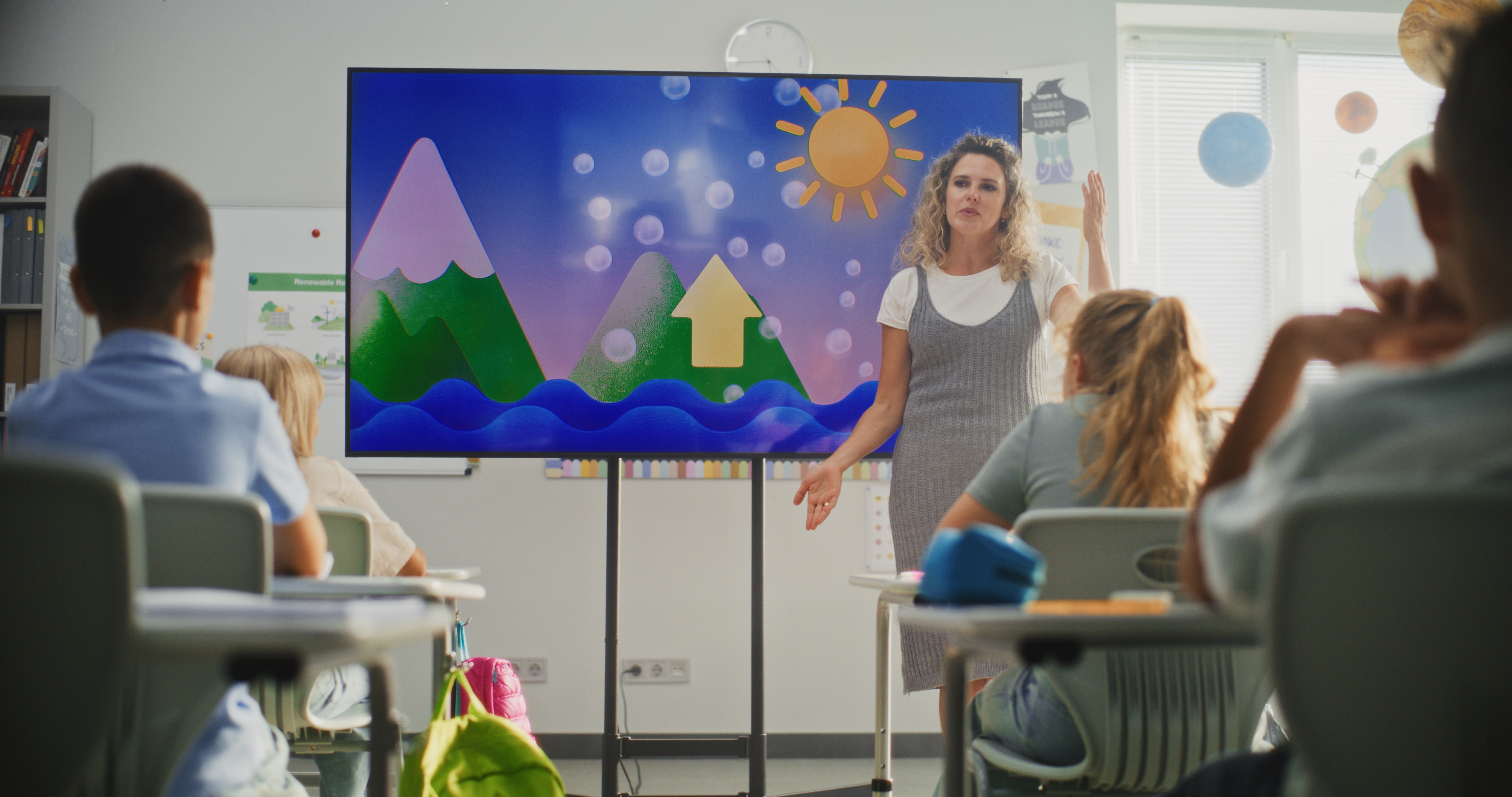
Strategies that embrace student identities and connect learning to the real world can transform your classroom. Here are some approaches to consider.
Identity-Affirming Teaching Techniques
Identity-affirming techniques acknowledge the diverse backgrounds students bring. Start small by learning each student’s name correctly. This simple act shows respect and builds trust. Incorporate materials that reflect varied cultures and perspectives. When students see themselves in the curriculum, they feel a strong sense of belonging. Use discussions to explore these materials, encouraging students to share personal connections. These moments can create a vibrant learning environment where everyone feels included. Dive deeper into identity-affirming practices with this resource.
Real-World Learning Projects
Real-world projects help students see the relevance of their studies. Design assignments that tackle real-world issues relevant to their lives. For example, a project on local environmental challenges can spark interest and foster critical thinking. Encourage students to collaborate and present their findings. This approach not only enhances learning but also strengthens essential life skills. As they engage with meaningful work, students develop a greater sense of purpose. Explore more about project-based learning by reading further.
Fostering Belonging in Schools

Creating a school culture where every student feels they belong is crucial for success. This involves embracing human-centred approaches and promoting higher-order thinking skills.
Human-Centred Learning Approaches
Human-centred learning starts with empathy. Begin by listening to student stories and valuing their insights. Create a classroom atmosphere where students feel safe to express themselves. Use group projects to build teamwork and understanding. When students work together, they learn from each other’s experiences, fostering a supportive community. These interactions lead to a richer, more inclusive learning environment. For more on human-centred education, consider exploring additional tips here.
Higher-Order Thinking Skills Development
Encouraging students to think critically prepares them for future challenges. Start by posing open-ended questions that require analysis and evaluation. Use debates and discussions to promote diverse viewpoints. These activities boost problem-solving skills and creativity. By challenging students to think deeply, you help them develop resilience and adaptability. They become more confident in tackling complex problems, ready to take on the world. For a deep dive into developing these skills, explore the approaches suggested in this resource.
🌟
By embracing these strategies, you can create a future-focused classroom where every student feels empowered and engaged. Remember, even small changes can lead to significant outcomes. As you implement these approaches, you’ll see your classroom transform into a dynamic and inclusive space. Keep exploring, keep adapting, and see the positive impact on your students’ learning journeys.
