


 Paul Slowey
From Setbacks to Springboards: Building Student Resilience and Adaptability for a Changing World
The old ways of teaching resilience no longer prepare students for what’s next. You see it every day: learners struggling to adapt as the world shifts faster than ever. This post offers practical strategies to build student resilience and adaptability through future-focused teaching that brings real-world learning into your classroom. Ready to explore how simple changes can boost wellbeing and spark higher-order thinking? For more insights, check out this article.
Building Student Resilience

Creating strong foundations in the classroom helps students handle life’s challenges. Let’s explore ways to build resilience through daily practices.
Classroom Routines for Resilience
Start by incorporating simple routines that encourage resilience. Think about how morning check-ins set a positive tone. Begin each day with a quick chat where students share one thing they’re grateful for. This small practice can boost mood and focus, creating a supportive environment.
To further cultivate resilience, consider implementing peer support systems. Allow students to pair up weekly to discuss their challenges and victories. This practice promotes empathy and problem-solving, key aspects of resilience. For more ideas, visit strategies to build student resilience.
Growth Mindset in Schools
A growth mindset can transform how students face obstacles. Teach them that abilities can be developed with effort and persistence. Start by highlighting stories of famous individuals who overcame failure. These narratives provide tangible proof that success is a journey, not a destination.
Incorporating growth mindset language is also crucial. Replace phrases like “I can’t do this” with “I can’t do this yet.” This subtle shift encourages students to view challenges as opportunities for growth. Reinforce these ideas with regular classroom discussions, emphasizing that mistakes are part of learning.
Encouraging Reflective Practice
Reflection allows students to process experiences and grow from them. Begin or end each day with a reflection activity. Ask students to write about what went well and what they’d like to improve. This can be done through journals or classroom discussions, fostering a reflective culture.
Encourage deeper reflection by asking students to connect their learning to real life. When they see the relevance, they’re more likely to engage. Reflective practice not only builds self-awareness but also resilience, as students learn to navigate their thoughts and emotions.
Developing Adaptability Skills

Adapting to change is essential in our dynamic world. By equipping students with adaptability skills, we prepare them for future success.
Real-World Learning Approaches
Engage students with real-world problems to enhance adaptability. Projects based on current events or community issues make learning relevant. Students develop critical thinking and problem-solving skills, essential for adapting to new situations.
Consider inviting guest speakers who work in various industries to share their experiences. This exposure helps students understand the value of adaptability in diverse fields. For more on raising adaptable students, visit raising adaptable and resilient students.
Project-Based Learning Benefits
Project-based learning (PBL) allows students to tackle real-world challenges collaboratively. This approach is more than just completing a task; it’s about exploring, experimenting, and reflecting. PBL fosters teamwork, a crucial skill for adaptability.
Students also benefit from taking ownership of their learning. When they drive their projects, they learn to manage time, resources, and setbacks. These experiences build resilience and adaptability, preparing them for future challenges.
Fostering Agency and Voice
Giving students a voice in their education increases engagement and adaptability. Encourage them to choose topics or projects that interest them. This autonomy boosts motivation and responsibility.
Create opportunities for students to express their thoughts in class discussions or presentations. This practice builds confidence and communication skills. When students feel heard, they’re more likely to take risks and adapt to new situations.
Future-Focused Teaching Strategies
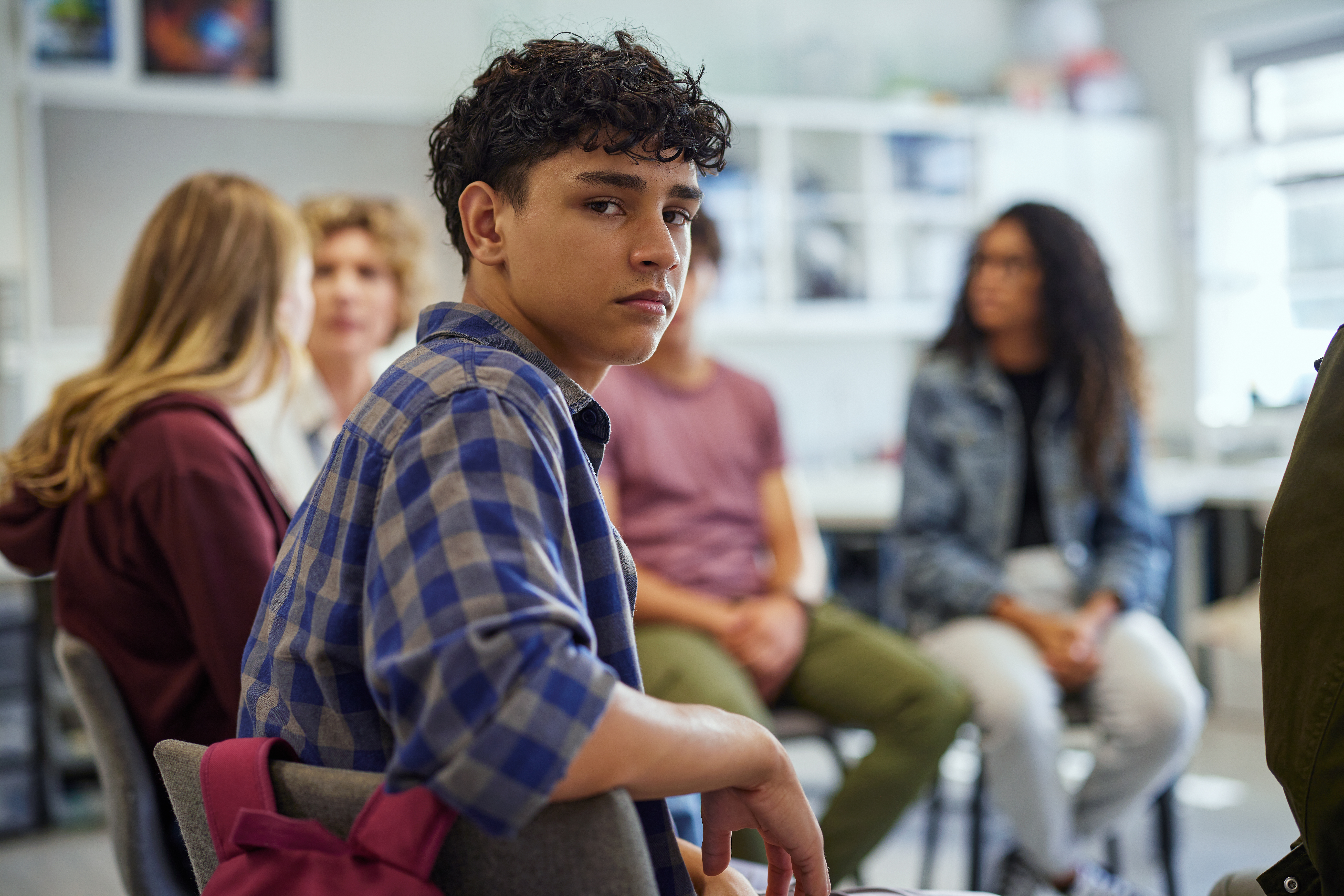
To prepare students for tomorrow’s challenges, we need innovative teaching strategies today. Let’s explore how future-focused approaches can shape adaptable learners.
Human-Centred Classrooms Explained
Human-centred classrooms focus on student wellbeing and growth. This approach values relationships and emotional intelligence alongside academics. Foster a community where students feel safe, valued, and engaged.
In human-centred classrooms, teachers act as facilitators, guiding students in their learning journey. This method encourages self-directed learning and adaptability. For insights into building such environments, explore cultivating resilience for student success.
Metacognitive Strategies for Students
Teaching students metacognitive skills helps them think about their thinking. This awareness enhances learning and adaptability. Encourage students to set goals, monitor progress, and reflect on their strategies.
Incorporate activities that prompt students to evaluate their learning processes. This could be done through self-assessment checklists or peer feedback sessions. Metacognition empowers students to adapt their approaches and improve outcomes.
Higher-Order Thinking in Practice
Higher-order thinking involves analysis, evaluation, and creation. Encourage students to ask questions, make connections, and solve complex problems. These skills are vital for adaptability in an ever-changing world.
Design lessons that challenge students to go beyond memorization. Use open-ended questions, debates, and interdisciplinary projects to stimulate critical thinking. By practising higher-order thinking, students develop the flexibility to navigate new challenges.
🌟
These strategies are just the beginning. By embedding resilience and adaptability into your teaching, you’re shaping students ready to thrive in a dynamic world. For more resources and inspiration, explore Teach for Tomorrow’s offerings. Let’s build a brighter future together!
