


 Paul Slowey
How to Spark Student Curiosity and Creativity: 15 Ready‑to‑Use Moves for Any Lesson
Most lessons struggle to spark real curiosity and creativity. You know the drill—students switch off before ideas even have a chance to take root. This post hands you 15 ready-to-use moves that shift the classroom dynamic right away, helping you build learner agency and higher-order thinking skills through future-focused teaching. Pick two strategies and try them this week to see how your students respond. For more insights on engaging your learners, visit this resource.
Igniting Student Curiosity
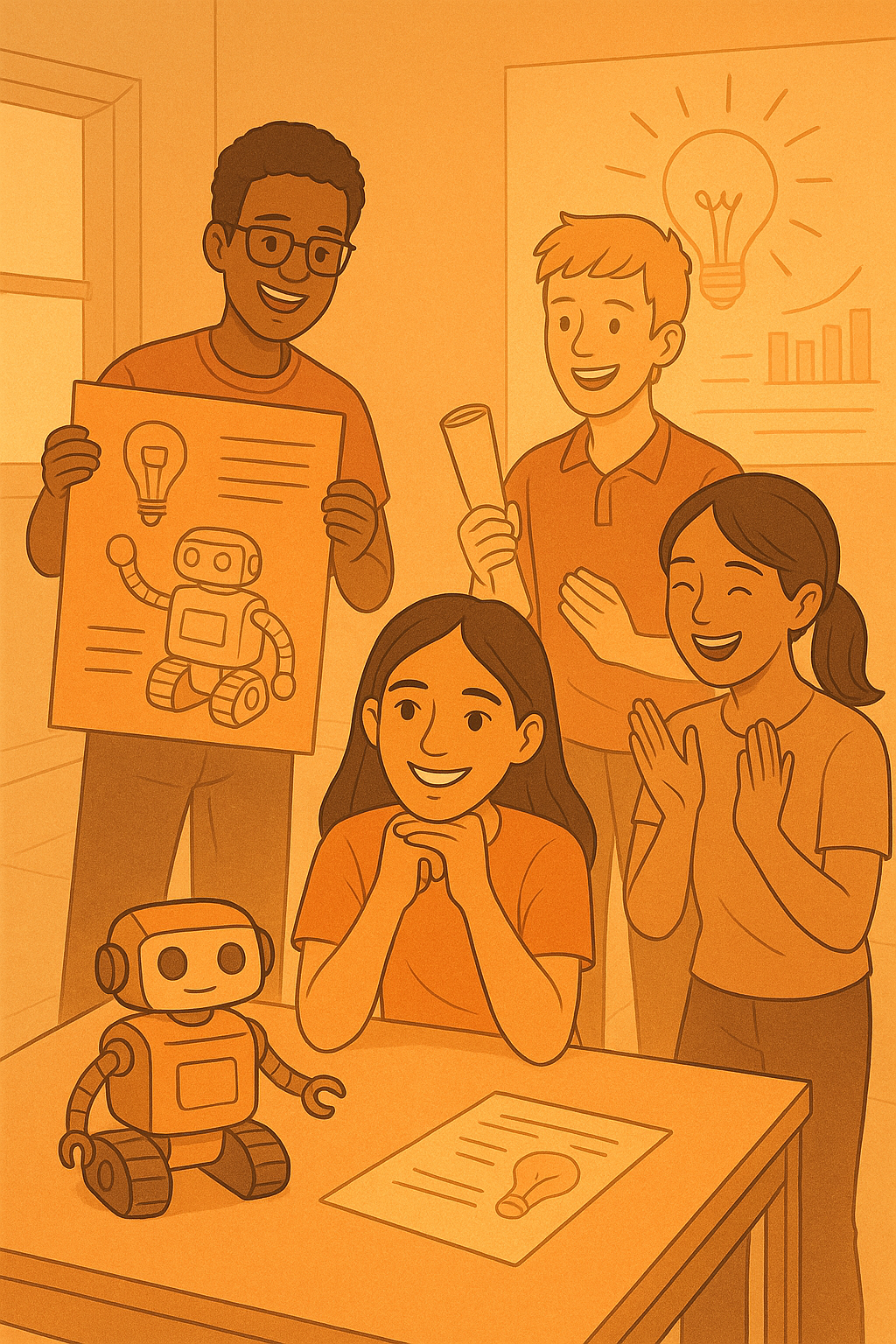
Imagine a classroom where every question lights a spark. That’s the power of inquiry-based learning. It transforms the way students engage with content.
Inquiry-Based Learning Techniques
Start with questions that provoke thought. For example, ask students what they think about a current event or a scientific mystery. This approach encourages them to explore ideas deeply. When students tackle real problems, they feel empowered. They begin to see themselves as capable thinkers.
Curiosity grows with practice. Introduce a “question of the day” to get everyone thinking together. Encourage students to come up with their own questions too. This not only builds curiosity but also nurtures a culture of inquiry. For more detailed strategies, look at these techniques.
Real-World Learning Experiences
Real-world connections make learning vivid. Use current events or local issues as a springboard for discussions. This makes the content relevant and alive. Students engage more when they see the impact of their learning on the world.
Project-based learning is another powerful tool. Involve students in projects that require real-world research, like investigating local history or exploring environmental issues. Such experiences make lessons more meaningful. They also help students develop critical thinking skills.
Creating a human-centred classroom means bringing the world in. Invite guest speakers or organise field trips to expand horizons. These activities create lasting memories and deepen understanding of the subject matter. Discover more about making learning engaging here.
Boosting Creativity in the Classroom
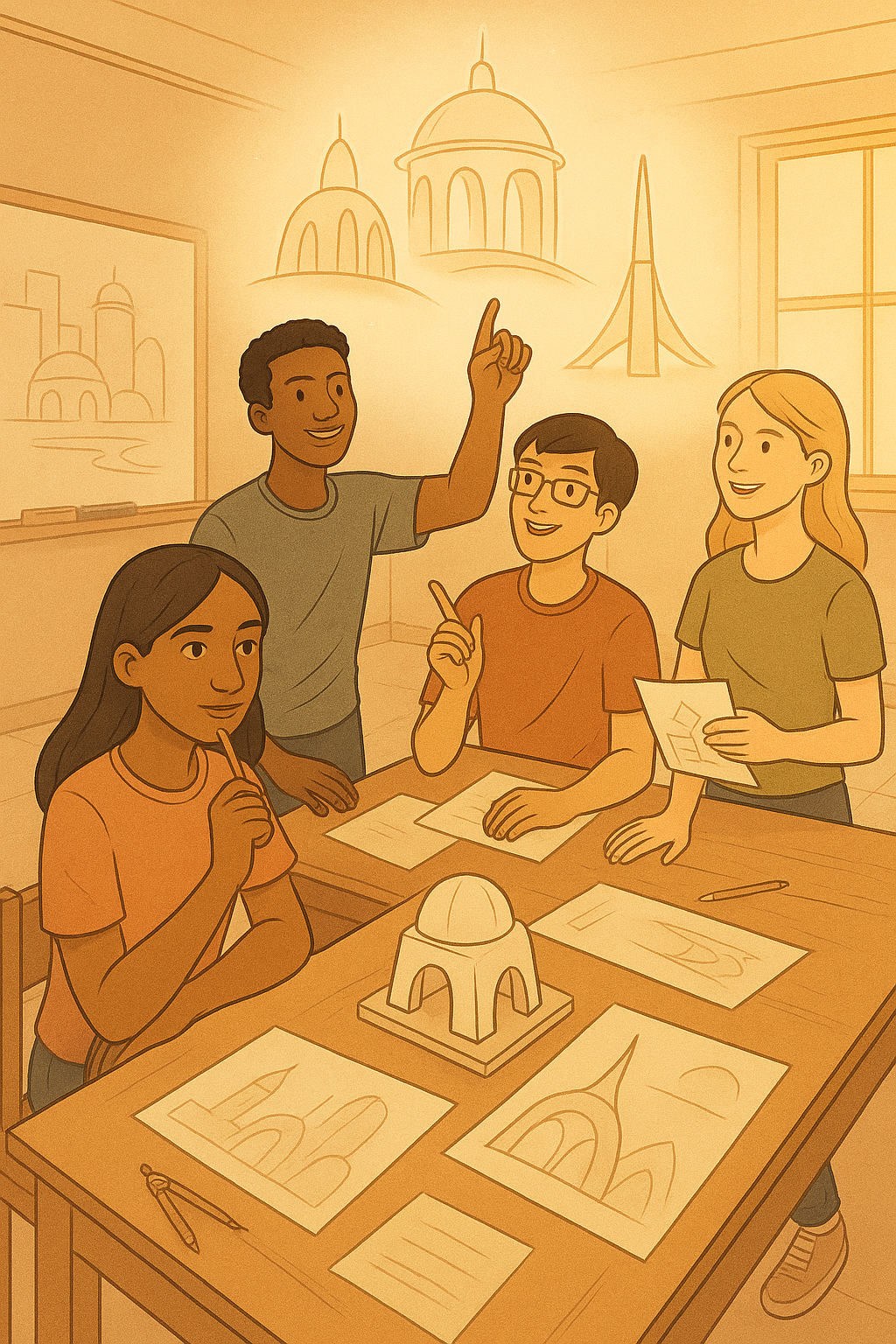
Creativity blooms when students feel free to explore ideas. Shift your classroom into a space where imagination leads the way.
Creative Thinking Prompts
Simple prompts can unlock new ideas. Try starting a lesson with unusual questions like, “What if animals could talk?” or “Imagine a world without gravity.” These prompts encourage lateral thinking and help students break free from conventional patterns.
Use stories to inspire. Share tales of inventors or artists who changed the world. Discuss their challenges and triumphs. This not only fuels creativity but also builds resilience. You might find this resource useful for practical tips.
Divergent Thinking Activities
Encourage students to brainstorm. Give them a problem and ask for as many solutions as possible. The goal is quantity over quality at this stage. This practice develops flexibility in thinking.
Incorporate games that require creative problem-solving, like puzzles or role-playing scenarios. Such activities teach students to think on their feet and consider multiple perspectives.
Challenge common beliefs to expand thinking. Ask questions that go against the grain like, “What if we banned all homework?” This pushes students to defend their ideas and explore alternatives. For more strategies, you can explore these tips.
Future-Focused Teaching Strategies

Preparing students for the future involves teaching them to adapt. Modern classrooms require innovative approaches that foster critical skills.
Practical Teaching Frameworks
Frameworks provide structure for creative exploration. Consider using models like Bloom’s Taxonomy to guide lesson planning. This ensures a balance of knowledge, comprehension, and application.
Introduce routines that enhance creativity. For example, use a “think-pair-share” method to encourage collaboration. Students think about a topic individually, discuss with a partner, and then share with the class. This builds confidence and communication skills.
Updating teaching methods can feel daunting. Yet, small changes can lead to significant improvements. Each step towards a more engaging classroom is a step towards better learning outcomes.
Classroom Questioning Strategies
Effective questioning sparks curiosity. Use open-ended questions that require more than a yes or no answer. This encourages deeper thinking and discussion.
Rotate through different questioning techniques. Try Socratic questioning to stimulate critical thinking. This method involves asking a series of questions that lead students to examine their beliefs and assumptions.
Adapting your questioning techniques can transform classroom dynamics. Encourage students to ask their own questions too. This not only builds engagement but also promotes a culture of inquiry. Learn more about questioning strategies here.
🌟
Curiosity and creativity are vital for future-ready skills. By applying these strategies, you can transform your classroom into a vibrant hub of learning. Students will leave your class not just with knowledge, but with the ability to think critically and creatively. Embrace these changes and watch your students thrive!
