


 Paul Slowey
Integrating Social and Emotional Learning Across the Secondary Curriculum
Forget the idea that social and emotional learning is just an add-on in your secondary curriculum. When SEL in secondary schools becomes part of daily lessons, routines, and assessments, it reshapes student wellbeing and engagement. You’ll find practical, time-smart strategies here to weave social and emotional learning seamlessly into your teaching—empowering students and refreshing your classroom approach. Ready to see what future-focused teaching really looks like? Explore more about SEL integration here.
Embedding SEL in Everyday Lessons
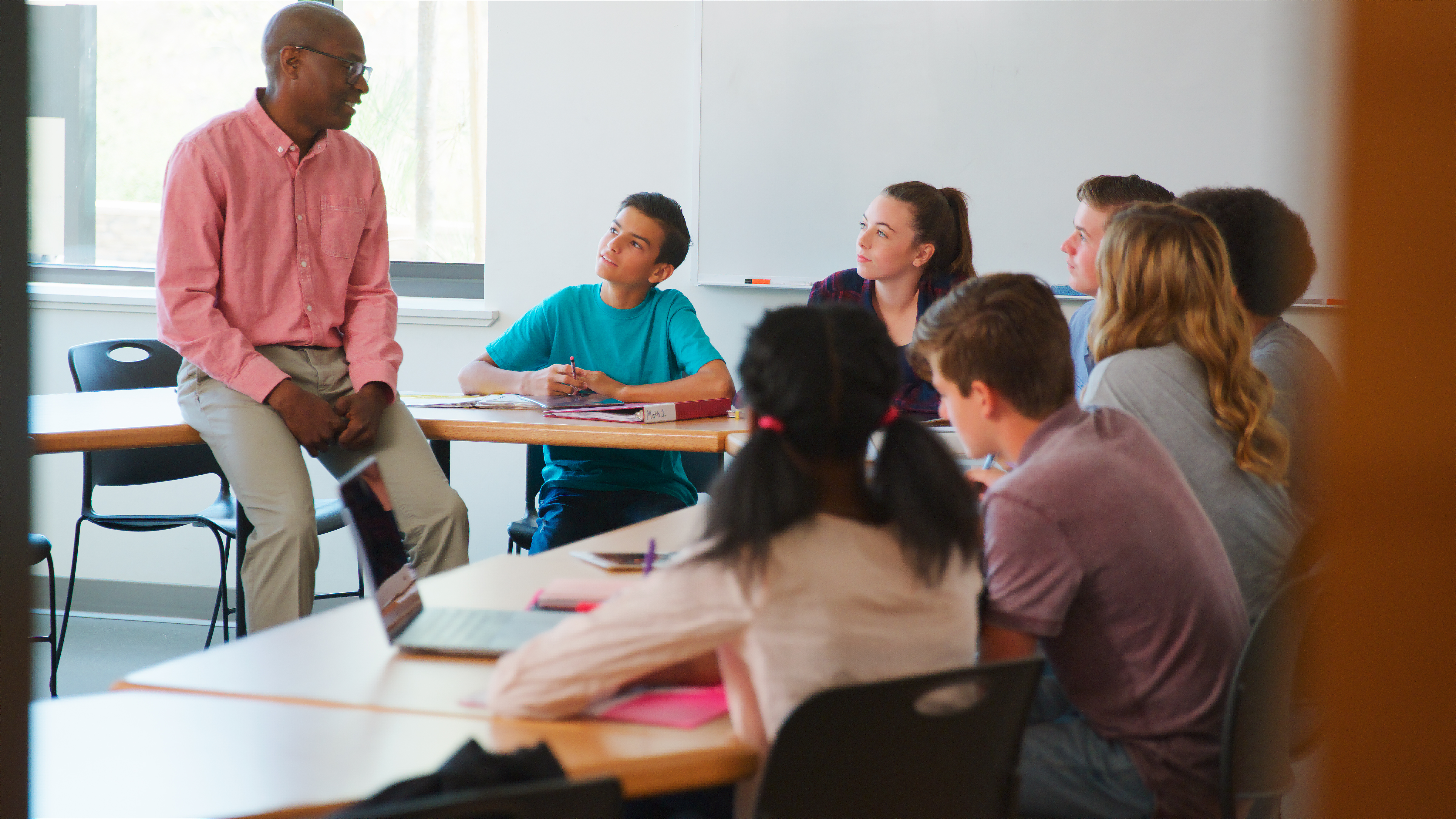
When you weave social and emotional learning into everyday lessons, students thrive. It nurtures a classroom culture that’s supportive and engaging. Ready to see how this can transform your teaching?
Strategies for Seamless Integration
Start by embedding SEL into your curriculum through collaborative activities. Encourage students to work together on projects, which helps build communication skills and empathy. Group discussions can also be a great way to practice active listening and understanding different perspectives.
Next, incorporate reflective practices. Ask students to journal about their thoughts and feelings related to class topics. This encourages self-awareness and emotional regulation. You can make it a routine part of the lesson, fostering a habit of reflection.
Finally, use resources that make SEL relatable. Stories or case studies can help students connect with the content on a personal level. Check out this white paper for more strategies on embedding SEL effectively.
Time-Smart Techniques for Busy Educators
As a teacher, your time is precious. So how do you incorporate SEL without adding to your workload? Here’s the key: integrate SEL into existing activities rather than creating new ones. For example, during reading sessions, discuss characters’ emotions to build empathy and understanding.
Use short activities like quick check-ins at the start of class to gauge students’ emotional states. This can be as simple as a thumbs up or down. It takes just a minute but sets a positive tone for the lesson.
Lastly, make use of technology. Tools and apps designed for SEL can simplify your task. They offer engaging, interactive ways to teach these skills. Explore more ideas on using SEL in schools.
Building Student Wellbeing

Embedding SEL isn’t just about academics: it’s about fostering a supportive environment. When students feel they belong, their engagement and success skyrocket.
Promoting Belonging in School
Creating a sense of belonging starts with inclusive practices. Make your classroom a safe space where every student feels valued. Use group activities to break down social barriers. This can be as simple as pairing students with partners they don’t usually work with.
Encourage diversity by celebrating different cultures and perspectives. This not only promotes inclusion but also broadens students’ understanding of the world. Share stories and examples that highlight diverse backgrounds.
Use affirmations to build confidence. Simple, positive statements can reinforce students’ self-worth and encourage them to participate more actively. For more insights, read this article on promoting belonging.
Growth Mindset Activities
A growth mindset can transform how students approach challenges. Start by using language that encourages effort over innate ability. Phrases like “You worked really hard on this” promote resilience.
Introduce brainstorming sessions where students can share ideas without judgment. This fosters a safe environment for creative thinking and risk-taking. Encourage them to view mistakes as learning opportunities.
Incorporate goal-setting activities. Help students set achievable, incremental goals, and celebrate progress. This reinforces the idea that effort leads to improvement. Discover more growth mindset activities.
Reinforcing Future-Focused Skills
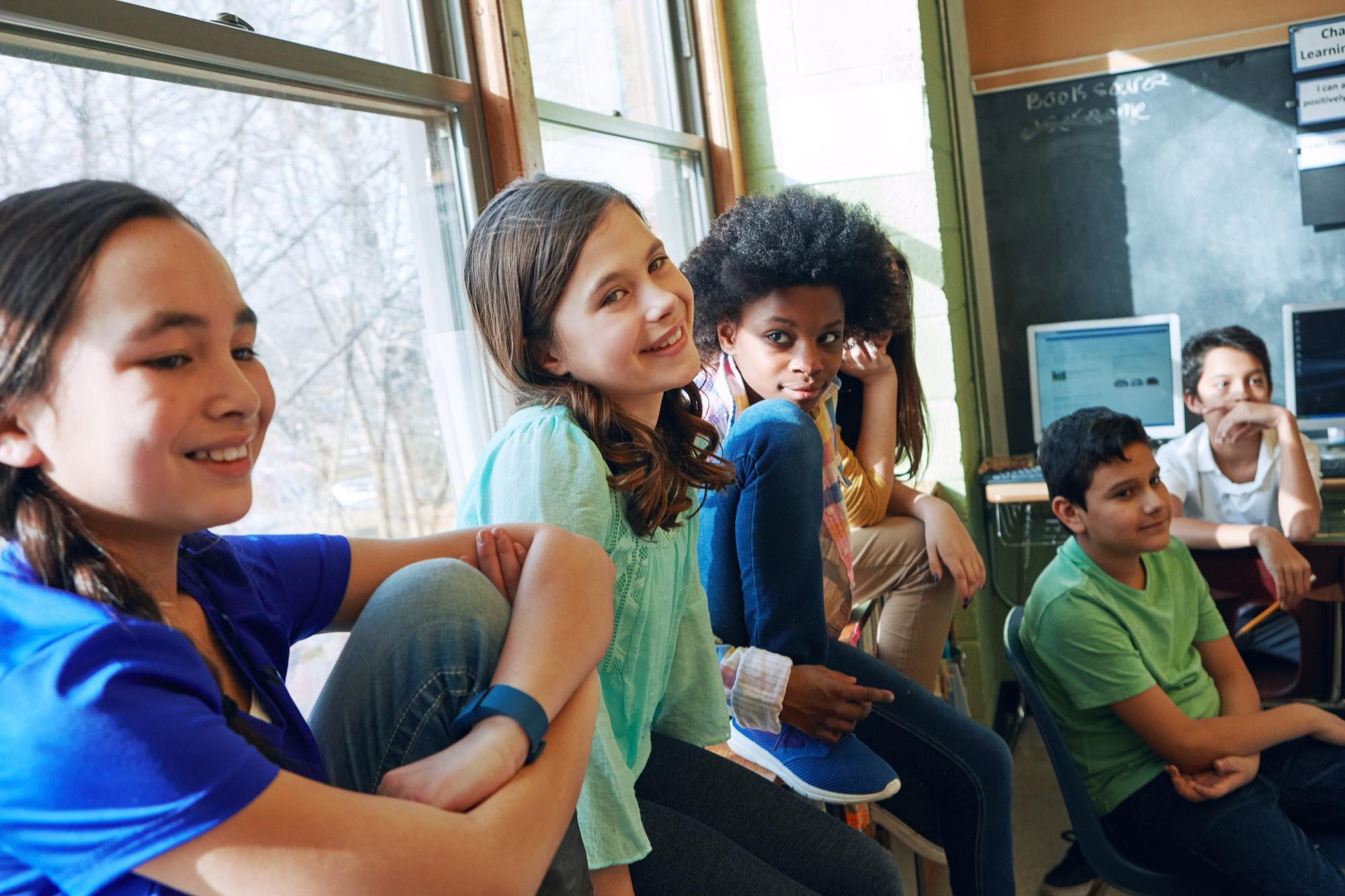
Social and emotional learning is a stepping stone to developing skills for the future. By focusing on oracy and metacognition, you prepare students for real-world challenges.
Enhancing Oracy and Metacognition
Start by creating opportunities for public speaking. Encourage students to present their ideas in front of the class. This not only builds confidence but also enhances their ability to articulate thoughts clearly.
Introduce self-reflection exercises. Ask students to evaluate their learning processes and outcomes. This can be done through simple end-of-lesson questions like “What did I learn today?” and “What could I improve?”
Engage students in peer feedback sessions. This not only helps them refine their communication skills but also teaches them to give and receive constructive criticism. For more on enhancing these skills, check out this insightful article.
Project-Based Learning for Student Agency
Project-based learning (PBL) is a powerful way to give students control over their learning. Start by integrating projects that solve real-world problems. This not only engages students but also makes learning relevant.
Encourage collaboration in PBL. When students work together, they learn to negotiate, compromise, and lead—skills that are crucial in any future career. Provide guidance but let them take charge of their projects.
Finally, use reflective assessments. Have students reflect on their project process and outcomes. This encourages self-evaluation and continuous improvement. Curious about more benefits of PBL? Explore further here.
🌟📚✨
By embedding social and emotional learning into your teaching, you’re not just shaping academically competent students; you’re nurturing empathetic, resilient individuals ready for the future. Ready to inspire change in your classroom? 🌟
