


 Paul Slowey
Nurturing Minds: Strategies for Cultivating Critical Thinking and Creativity in the Classroom
Most classrooms still lean heavily on memorising facts, leaving little room for critical thinking or creativity to grow. You know your students need more than that—they need skills to tackle real challenges with fresh ideas. This post shares practical classroom strategies that bring critical thinking and creativity to life, helping you prepare learners for what’s next. Join our global community of educators and explore resources that spark meaningful student engagement. Read more about why creativity and critical thinking are crucial in education.
Fostering Critical Thinking
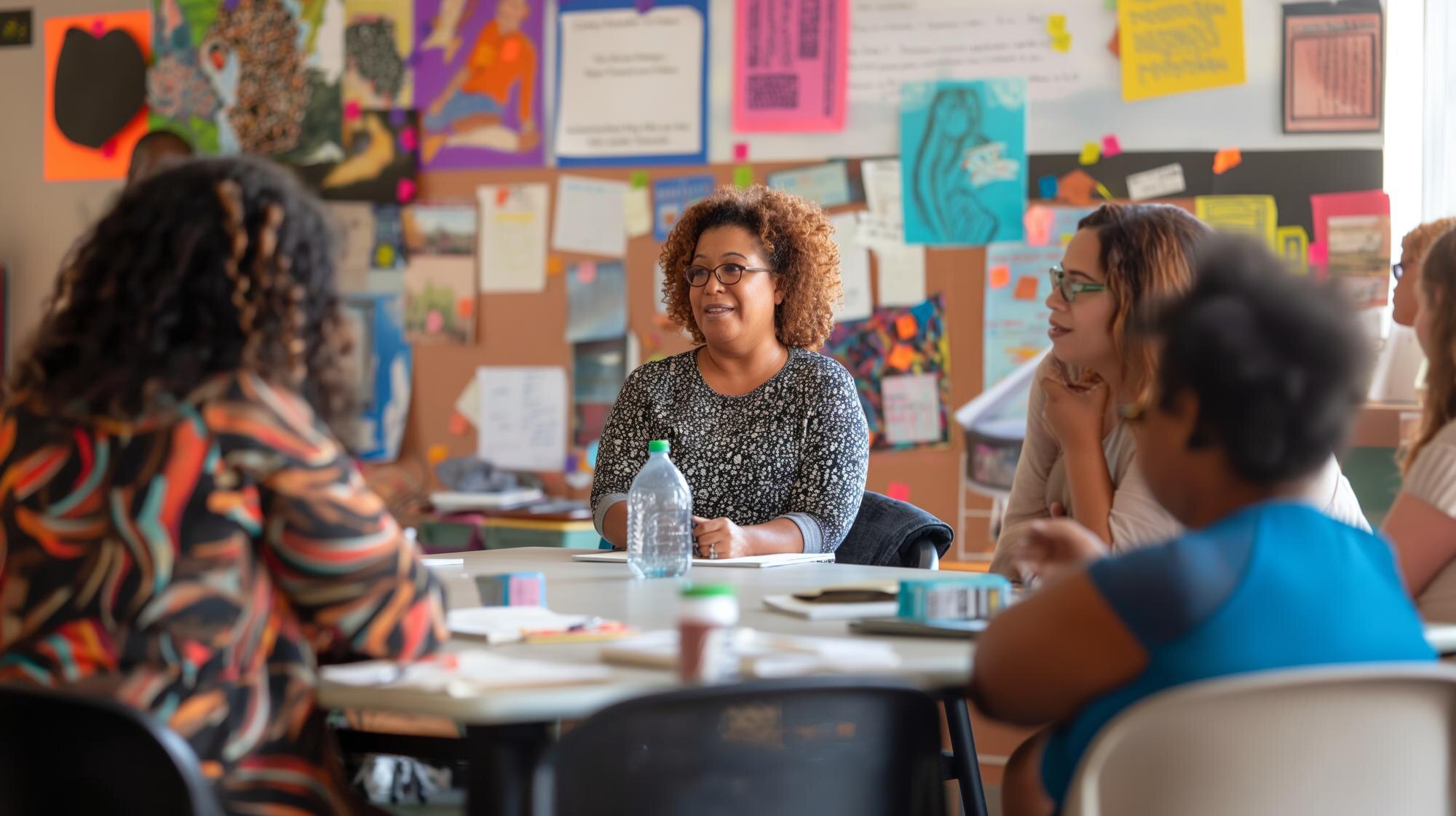
Empowering your students to think critically is a pivotal step in preparing them for real-world challenges. Let’s explore ways to nurture this essential skill right from your classroom.
Encouraging Questioning and Curiosity
How can you spark your students’ natural curiosity? Begin by creating an environment where questions are welcomed and celebrated. Encourage students to ask “why” and “what if” as a means to explore new ideas and concepts. This not only stimulates curiosity but also promotes deeper understanding.
Consider using open-ended questions in your lessons. These questions don’t have a right or wrong answer but require students to think and reason. For instance, instead of asking, “What is the capital of France?” you might ask, “Why do you think Paris became the capital of France?” This approach compels students to research, hypothesise, and discuss their findings. Explore more techniques to promote critical thinking in the classroom.
Cultivating Analytical Skills
Developing analytical skills isn’t just about solving problems—it’s about understanding them. Start by presenting real-world scenarios that require thoughtful analysis. Use case studies or current events to help students apply their learning in practical contexts.
Encourage them to break down complex issues into smaller parts. This might involve identifying the cause and effect or comparing different viewpoints. By analysing each component, students learn to approach problems methodically, enhancing their ability to think critically. Remember, the goal is to make analysis a natural part of their thought process. Check out this resource for more ideas on fostering critical thinking.
Boosting Classroom Creativity

Creativity is not just an artistic skill—it’s a way of thinking that can transform how students engage with the world. Let’s delve into strategies that can help you cultivate a creative classroom environment.
Inspiring Creative Expression
How do you inspire students to express themselves creatively? Start by providing opportunities for students to explore their interests and passions. Projects that allow choice and personalisation can be incredibly motivating. For example, a history project might allow students to create a video, write a play, or design a comic strip. The focus here is on the process of creation, not just the final product.
Encouraging students to take risks and embrace failure as part of the learning journey is also essential. When students understand that mistakes are stepping stones to success, they become more willing to experiment and innovate. This mindset shift is key to nurturing creativity.
Integrating Arts into Lessons
The arts can be a powerful tool in fostering creativity across all subjects. Integrating arts into your lessons doesn’t mean you need to be an artist. It’s about using artistic processes to explore concepts in new ways. For instance, students could use drawing to illustrate scientific concepts or write poems to express historical events.
Collaborative art projects can also enhance creativity and teamwork skills. By working together, students learn to appreciate different perspectives and combine their ideas to create something new. This not only boosts creativity but also builds a sense of community within your classroom. Discover more about the impact of arts in education here.
Engaging Future-Focused Teaching

As education evolves, so should our teaching methods. Future-focused teaching prepares students for the unknown by fostering adaptability and lifelong learning. Here’s how you can start implementing these concepts.
Implementing Interactive Methods
Interactive methods keep students engaged and encourage active participation. Techniques like group discussions, debates, and role-playing can transform passive learning into dynamic exploration. These methods require students to think on their feet, communicate clearly, and collaborate effectively.
Technology can also play a role in interactive learning. Using online platforms for virtual discussions or simulations can bring lessons to life in exciting ways. The key is to create experiences that make learning memorable and meaningful. Learn more about interactive teaching strategies.
Building a Collaborative Environment
Collaboration is a cornerstone of future-focused education. By fostering a collaborative environment, you prepare students to work effectively in diverse teams. Start by establishing a classroom culture that values every student’s voice. Encourage students to share ideas, listen to each other, and build on each other’s contributions.
Group projects can be particularly effective in promoting collaboration. Assign roles that play to each student’s strengths, and set clear goals and expectations. This not only improves teamwork but also helps students develop leadership and conflict-resolution skills.
In a world that’s constantly changing, the ability to think critically and creatively is more valuable than ever. By implementing these strategies, you’re not just teaching students; you’re equipping them with the tools they need to navigate the future confidently. Embrace the challenge, and watch your students thrive. 🌟📚
