


 Paul Slowey
From Setbacks to Springboards: How to Build Student Resilience and Adaptability
Too many classrooms still see setbacks as dead ends rather than chances to grow. When student resilience and adaptability take centre stage, every challenge becomes a stepping stone towards real-world skills. In this post, you’ll find practical strategies to build a growth mindset classroom that fuels learner agency, wellbeing, and future-focused teaching. Ready to shift how your students face uncertainty? Let’s get started. For more insights, check out this article on building student resilience.
Building Student Resilience
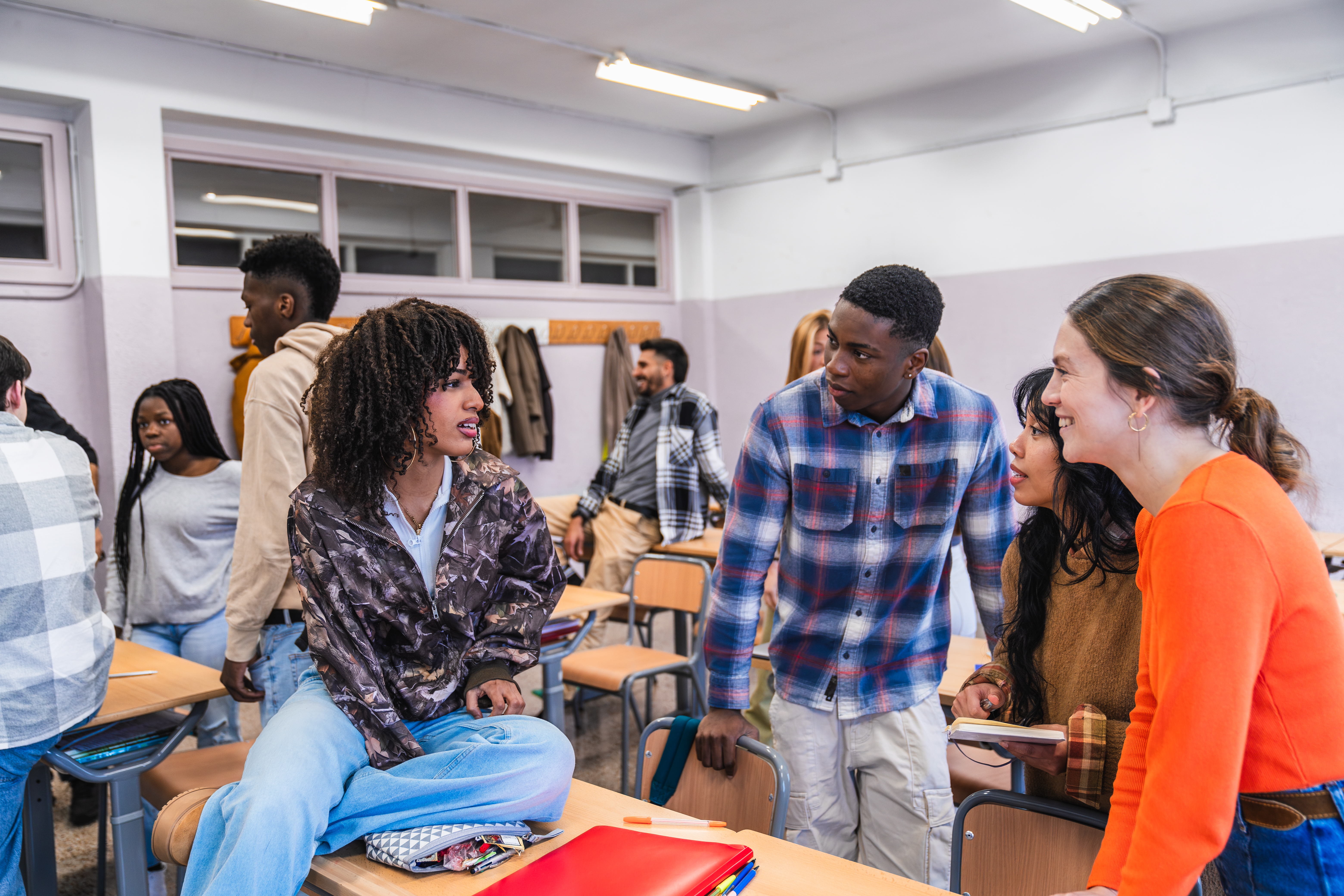
In a world where change is constant, student resilience is more critical than ever. Let’s explore how you can foster a growth mindset in your classroom.
Strategies for Growth Mindset Classrooms
Imagine your classroom as a garden where each student is a growing plant. Sometimes, a little extra care is needed for them to thrive. Begin by encouraging students to see challenges as opportunities. When they hit a roadblock, guide them to view it as a chance to learn something new. For example, if a student struggles with a math problem, remind them that effort is the key to improvement. Research shows that students who believe effort leads to success are more motivated.
Another tip is to celebrate mistakes as learning moments. Create a classroom culture where errors are discussed openly and constructively. Share stories of famous failures that led to success, like J.K. Rowling’s manuscript rejections before “Harry Potter” became a hit. These stories can help students build resilience by showing them that setbacks are part of the journey.
Practical Metacognition Techniques
Metacognition, or “thinking about thinking,” helps students become aware of their learning processes. Start by teaching them simple reflection techniques. After a lesson, ask questions like, “What was one thing you learned today?” or “What strategy did you use to solve that problem?” These questions encourage students to reflect on their learning methods.
Another powerful technique is the “think-aloud” method. Model this by verbalising your thought process during a task. For instance, while solving a problem, say, “I noticed this pattern, so I’ll try this strategy.” This method helps students understand how to approach learning tasks strategically. For more detailed approaches, consider this blog on teaching excellence.
Adaptability in Education

The ability to adapt is essential in today’s fast-paced world. Let’s look at how you can make education more relevant and engaging.
Real-World Learning Projects
Bring the real world into your classroom with project-based learning. Projects that connect to real-world issues make learning more engaging. For instance, have students organise a recycling drive or design a sustainable garden. These projects not only teach valuable skills but also show students the impact they can have on their community.
Another idea is to collaborate with local businesses or organisations for projects. Students could work on a marketing campaign for a local charity or design a website for a small business. This hands-on experience builds adaptability by challenging students to apply their learning in unfamiliar contexts. For more ideas on real-world learning, check out this insightful article.
Higher-Order Thinking Skills
Developing higher-order thinking skills prepares students for complex problem-solving. Encourage students to analyse, evaluate, and create rather than just remember facts. To foster these skills, engage students in debates or discussions on topical issues. For example, have a debate on climate change policies or the effects of social media.
You can also use case studies to enhance critical thinking. Present students with a real-world problem and ask them to develop a solution. This method encourages them to think critically and consider multiple perspectives. Remember, nurturing these skills will help students tackle real-world challenges with confidence.
Future-Focused Teaching Practices

By adopting future-focused teaching practices, you empower students to take charge of their learning journey.
Creating Learner Agency
When students have agency, they take ownership of their learning. Start by giving them choices in their learning activities. Allow them to choose topics for projects or decide how they want to present their work. This autonomy boosts motivation and engagement.
Another way to foster agency is through goal-setting. Guide students in setting short-term and long-term goals. Regularly review these goals to track progress and make adjustments. This practice helps students develop self-regulation skills. By empowering students with agency, you equip them with the tools to become lifelong learners. For more strategies, visit Positive Psychology’s exercises.
Wellbeing in Schools 🏫
Student wellbeing is critical for academic success and personal growth. Creating a supportive school environment is key. Start by incorporating mindfulness practices into the school day. Simple activities, like a few minutes of deep breathing, can help students manage stress.
Encourage social connections by fostering a sense of community. Organise group activities or peer mentoring programmes to help students build supportive relationships. Celebrating successes, no matter how small, boosts morale and confidence. Remember, when students feel supported and valued, they are more likely to thrive academically and personally.
By focusing on resilience, adaptability, and future-focused teaching, you’ll create an environment where students are prepared for the challenges ahead. Keep exploring and trying new strategies, and watch your students soar.
