


 Paul Slowey
Collaborative Learning That Works: Benefits and Ready-to-Use Strategies for Future‑Focused Classrooms
Group work in secondary schools often feels like a hit-or-miss gamble. You know collaborative learning holds promise, but the challenge is finding strategies that really engage students and build higher-order thinking without extra prep. This post lays out clear benefits and hands-on, low-prep teaching strategies you can try tomorrow—designed to boost student agency and real-world skills in future-focused classrooms. Let’s get you set up to lead confident, inclusive group work that works. For more on collaborative learning, you can visit this resource.
Benefits of Collaborative Learning
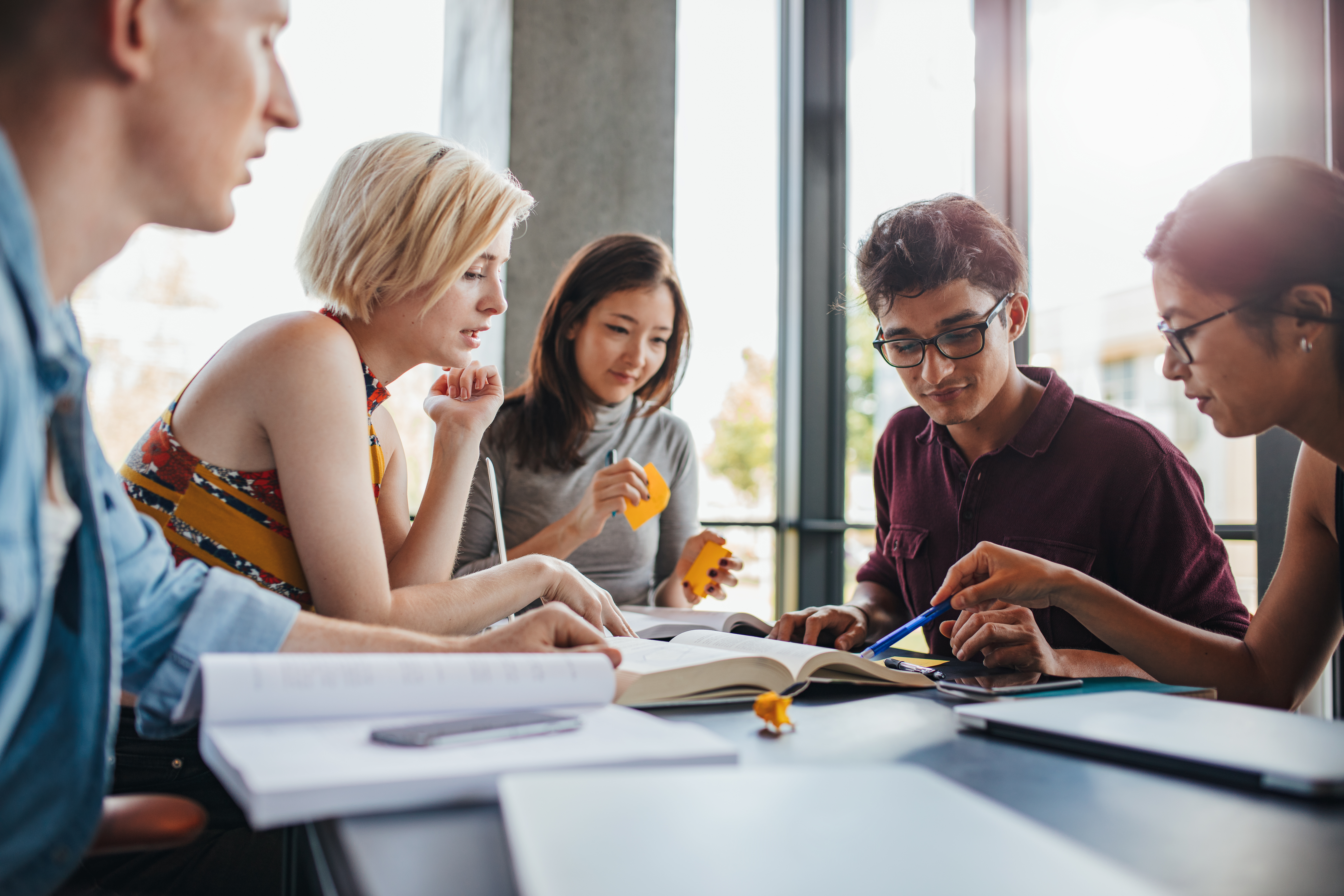
Exploring the reasons behind collaborative learning shows its transformative potential. This approach offers more than just shared tasks—it enriches the classroom experience.
Boosting Pupil Engagement
Engaging students is often a top priority. With collaborative learning, students are more likely to participate actively. Picture this: a quiet pupil suddenly discussing ideas passionately in a group. This shift isn’t rare. When students work together, they feel a sense of belonging. They are no longer passive observers but active participants. This can lead to a significant increase in their interest and enthusiasm in the subject matter.
Moreover, when students collaborate, they can see the immediate impact of their contributions. This real-time feedback loop encourages even the most hesitant learners to step out of their comfort zones. Most people think engagement is all about flashy presentations, but real engagement comes from meaningful interactions.
Enhancing Higher-Order Thinking
Higher-order thinking skills (HOTS) are crucial for deep learning. Collaborative environments naturally foster this development. When students brainstorm, analyse, and evaluate together, they engage in critical thinking. For instance, a group tasked with solving a real-world problem will debate, hypothesise, and synthesise information. This is learning at its finest.
These interactions spark curiosity and lead to more profound insights. Students challenge each other’s assumptions, expanding their understanding. One study showed that students in collaborative settings demonstrate a 30% improvement in problem-solving tasks. Such skills are invaluable, preparing them for future challenges.
Fostering Student Agency
Empowering students is essential for future-focused education. Collaborative learning gives students ownership of their learning journey. When students decide their roles and responsibilities, they gain a sense of control. This autonomy is the essence of student agency.
In these settings, students are more likely to set goals and pursue them diligently. They learn to navigate group dynamics, resolve conflicts, and make decisions. These experiences are pivotal. While many assume teachers must lead every discussion, true agency emerges when students steer the conversation. For further insights, check out this article on collaborative learning.
Ready-to-Use Strategies
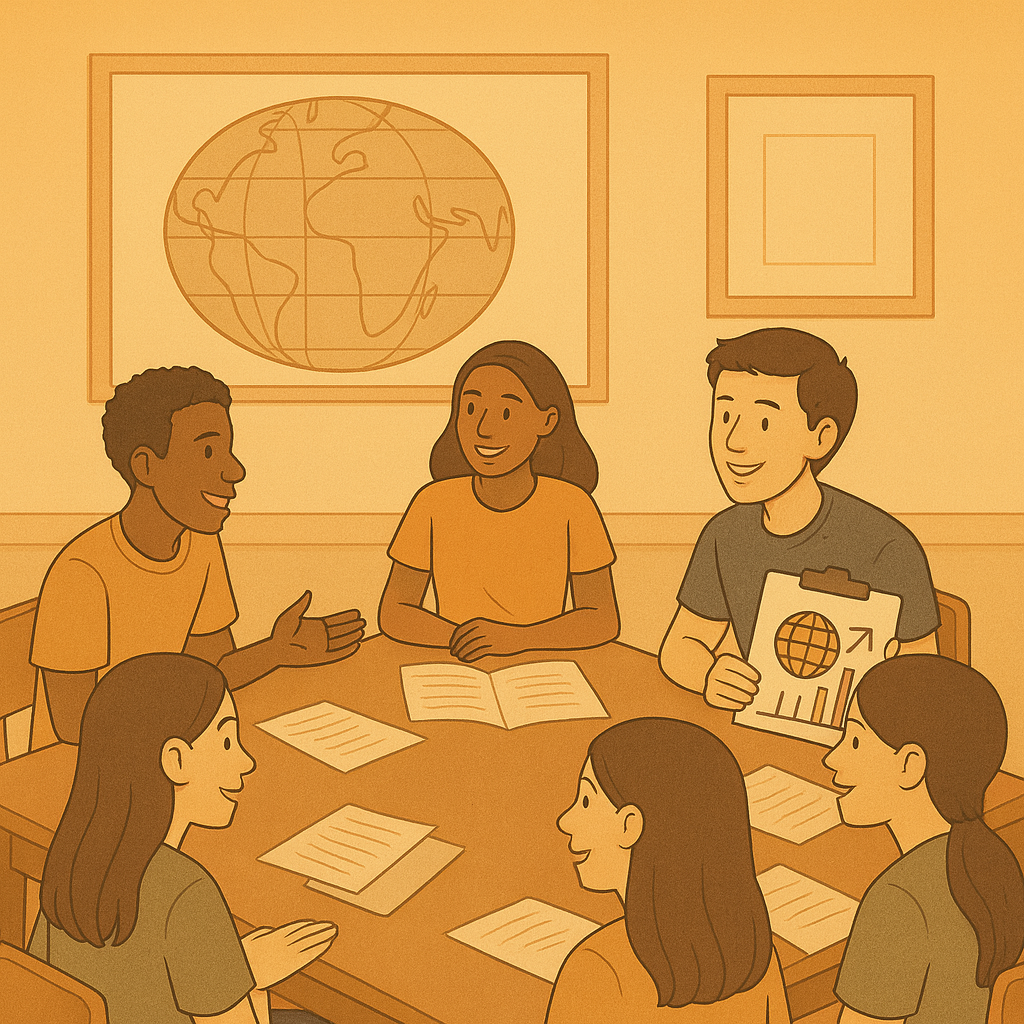
Knowing the benefits is just the beginning. Let’s explore practical strategies you can implement right away. Each approach is designed to make collaborative learning seamless and impactful.
Low-Prep Teaching Approaches
You don’t need hours of preparation to implement effective collaborative strategies. Consider the “Think-Pair-Share” method. Start by posing a thought-provoking question. Give students a moment to think, then have them discuss in pairs before sharing with the larger group.
Another approach is “Learning Stations.” Set up different activities around the room, allowing students to rotate and engage with each task. This method requires minimal setup but maximises interaction. These low-prep strategies are perfect for busy teachers looking to make a big impact with little preparation.
Oracy and Dialogue Routines
Encouraging dialogue is key to effective collaboration. Implementing routines like “Socratic Seminars” can enhance communication skills. In these sessions, students discuss a topic deeply, asking and answering questions.
Another effective routine is “Circle Time,” where students sit in a circle and share thoughts on a topic. This setup promotes equality and ensures every voice is heard. Regularly practising these routines builds students’ confidence in expressing their ideas. Most believe structured dialogue is rigid, but it often leads to genuine, spontaneous interactions. For more on this, see this source.
Project-Based Learning Teams
Project-based learning (PBL) is a powerful tool. In PBL, students work on extended projects that require research, collaboration, and presentation. These projects mimic real-world challenges, making learning relevant and engaging.
To set up a PBL team, assign roles based on students’ strengths and interests. This division of labour ensures everyone contributes meaningfully. Regular check-ins and feedback sessions keep projects on track and encourage continuous improvement. By the project’s end, students not only learn content but also develop vital project management skills.
Building a Future-Focused Classroom
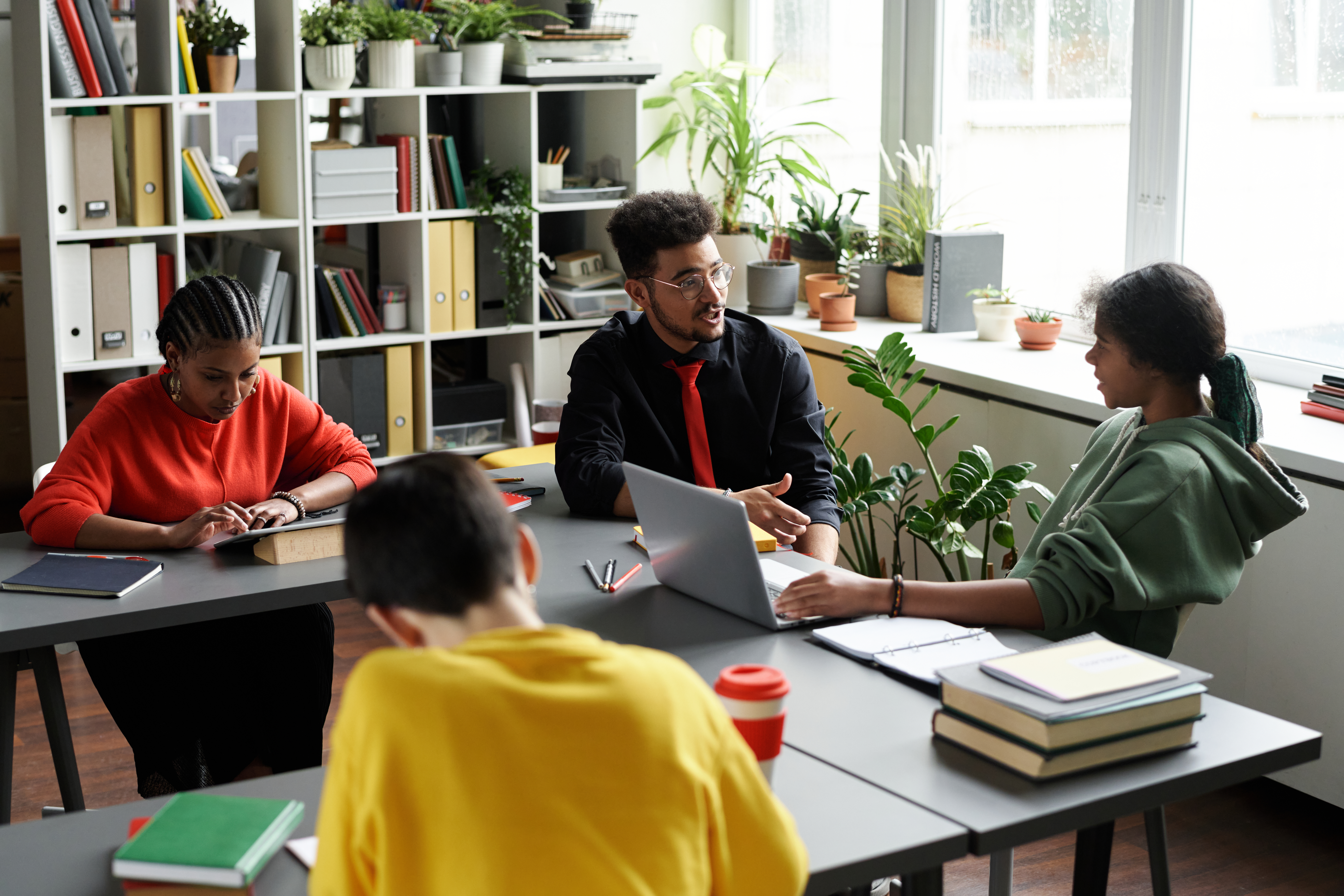
Creating a classroom environment that supports future learning is crucial. With the right practices, you can nurture a space where students thrive.
Inclusive Group Work Practices
Inclusivity is more than a buzzword—it’s a necessity. Use strategies that ensure every student feels valued. Begin by setting clear group norms that promote respect and collaboration. Encourage diverse groupings to expose students to different perspectives.
Remember, inclusivity also means adapting tasks to suit various learning needs. Providing multiple ways to engage with content ensures everyone can participate. While some see group work as chaotic, structured inclusivity can lead to harmonious collaboration.
Classroom Roles and Responsibilities
Assigning roles can transform group dynamics. Roles like “facilitator,” “recorder,” and “timekeeper” give students clear responsibilities. These roles rotate, ensuring everyone has an opportunity to develop different skills.
Having defined roles reduces friction and ensures tasks are completed efficiently. Students learn accountability and teamwork, essential skills for their futures. Instead of assuming roles create division, view them as a way to foster unity and purpose.
Peer Feedback Protocols
Feedback is vital for growth, and peers can be invaluable critics. Establish protocols for peer feedback, such as “Two Stars and a Wish.” In this method, students share two positive aspects of a peer’s work and one area for improvement.
Encourage constructive criticism and stress the importance of empathy. Over time, students become adept at giving and receiving feedback, a skill that serves them well beyond the classroom. For more information, explore this helpful guide.
In conclusion, collaborative learning offers immense benefits, from boosting engagement to fostering agency. With practical strategies at your fingertips, you’re ready to transform your classroom into a vibrant, future-focused learning environment. Embrace these methods, and watch your students thrive.
