


 Paul Slowey
From Classroom to Community: Real‑World Learning Connections for Students
Forget the old classroom routine where lessons stop at the school gate. When you connect curriculum to community and careers through real-world learning, students gain purpose and agency that textbooks alone can’t provide. This post shares practical strategies to bring authentic learning alive—boosting engagement while building higher-order thinking skills and career awareness. Choose one approach here, try it this week, and watch your classroom come alive with fresh energy. For more information, visit this link.
Connecting Curriculum to Community
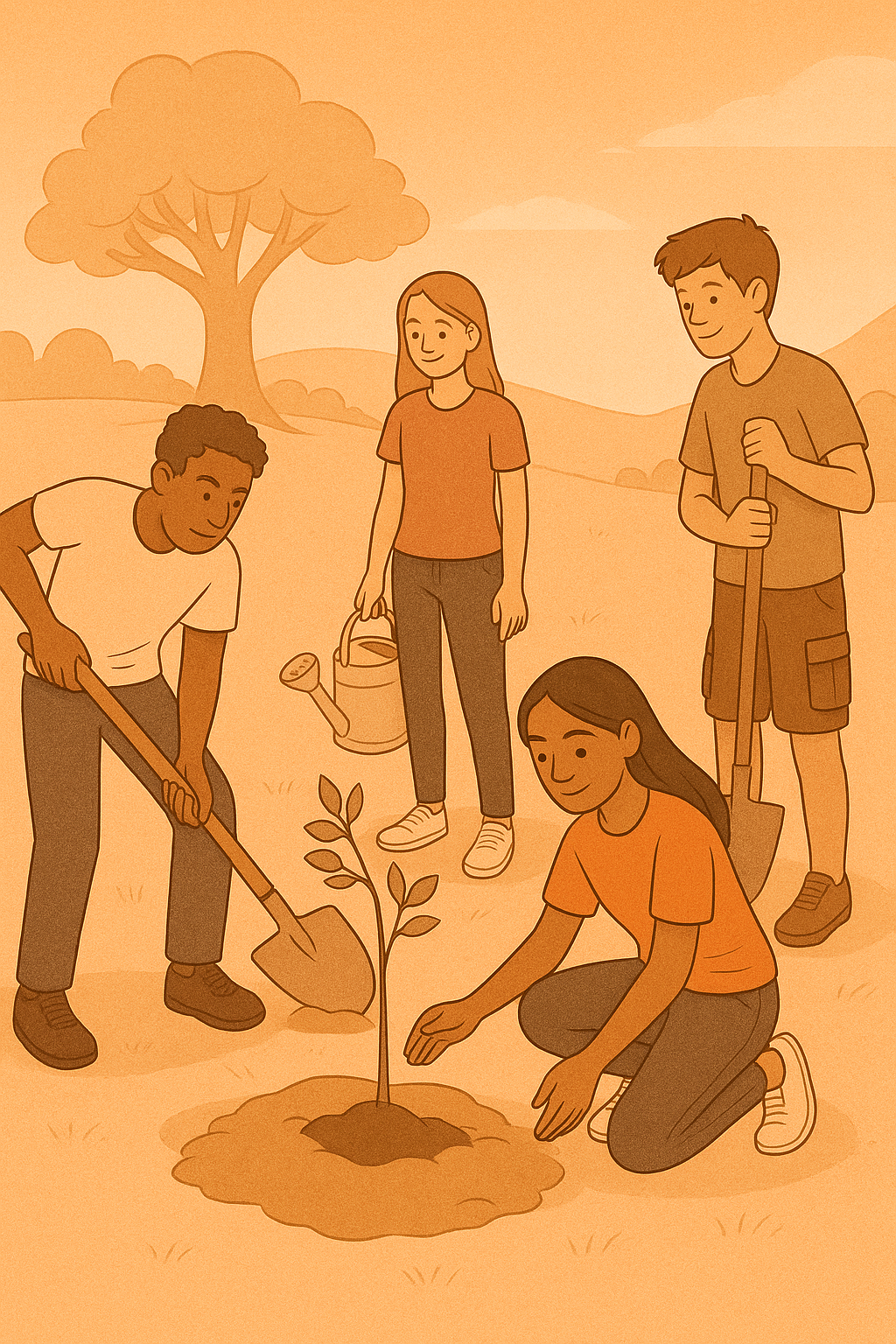
Your classroom can be the start of something bigger. By linking lessons to the world outside, students experience learning that matters. A lesson on local history becomes an exploration of their community’s past. Let’s dive into how you can create these connections.
Building Authentic Learning Partnerships
Imagine your students working with local artists to create a mural that tells the story of their neighbourhood. By forging authentic learning partnerships, you bring the curriculum alive. These partnerships can range from simple class visits to long-term projects. Think about partnering with libraries, community centres, or local historians. The impact is powerful: students see real-world relevance in their studies. You can find more ideas on how to create these partnerships by exploring this resource.
-
Story Time: In one school, students interviewed veterans to create a book of stories. They learned history, empathy, and writing skills.
-
Insight: Local partnerships foster a sense of belonging and purpose.
Engaging with Local Employers
Career days are great, but why stop there? Engage with local employers for ongoing projects. Students could work on a marketing plan for a local business or design a product prototype. This kind of engagement goes beyond typical lessons. It prepares students for future careers and teaches them how to solve real problems. Check out these strategies for more ways to connect with local businesses.
-
Story Time: A class worked with a café to reduce waste, learning sustainability and teamwork.
-
Insight: Employer engagement enriches lessons with practical skills and insights.
Integrating Careers and Contemporary Issues
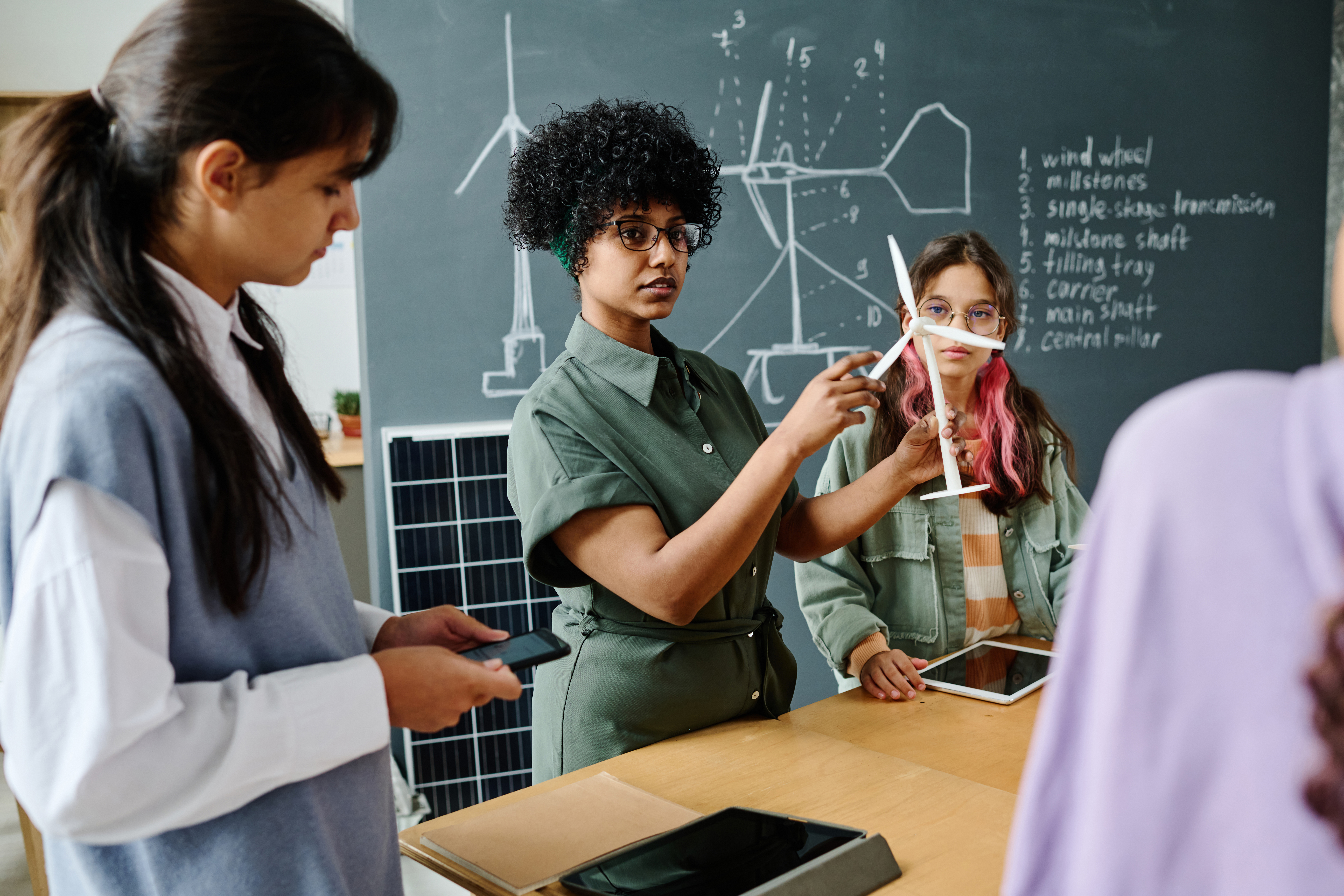
Linking education to careers and current events prepares students for their future. By tackling real-world issues, students become active problem solvers. Let’s explore how to integrate these elements into your lessons.
Project-Based Learning in Action
Project-based learning transforms classrooms. Students take on projects that mimic actual work scenarios. For example, a project on renewable energy involves research, presentations, and collaboration. This approach makes learning meaningful. Students improve their skills in research, communication, and critical thinking. Discover more about the benefits of project-based learning at this site.
-
Story Time: One class developed a campaign to promote clean water. Students learned science, advocacy, and teamwork.
-
Insight: Projects connect curriculum to important global issues.
Real-World Problem Solving
Encourage students to tackle real-world problems. This could be designing a solution to a local traffic issue or creating a community garden plan. Problem-based learning engages students actively and fosters creativity. It teaches resilience and adaptability—skills vital in any career.
-
Story Time: Students proposed a plan to reduce school waste. They used math to track progress and science to test solutions.
-
Insight: Solving real problems boosts confidence and competence.
Enhancing Student Engagement and Agency
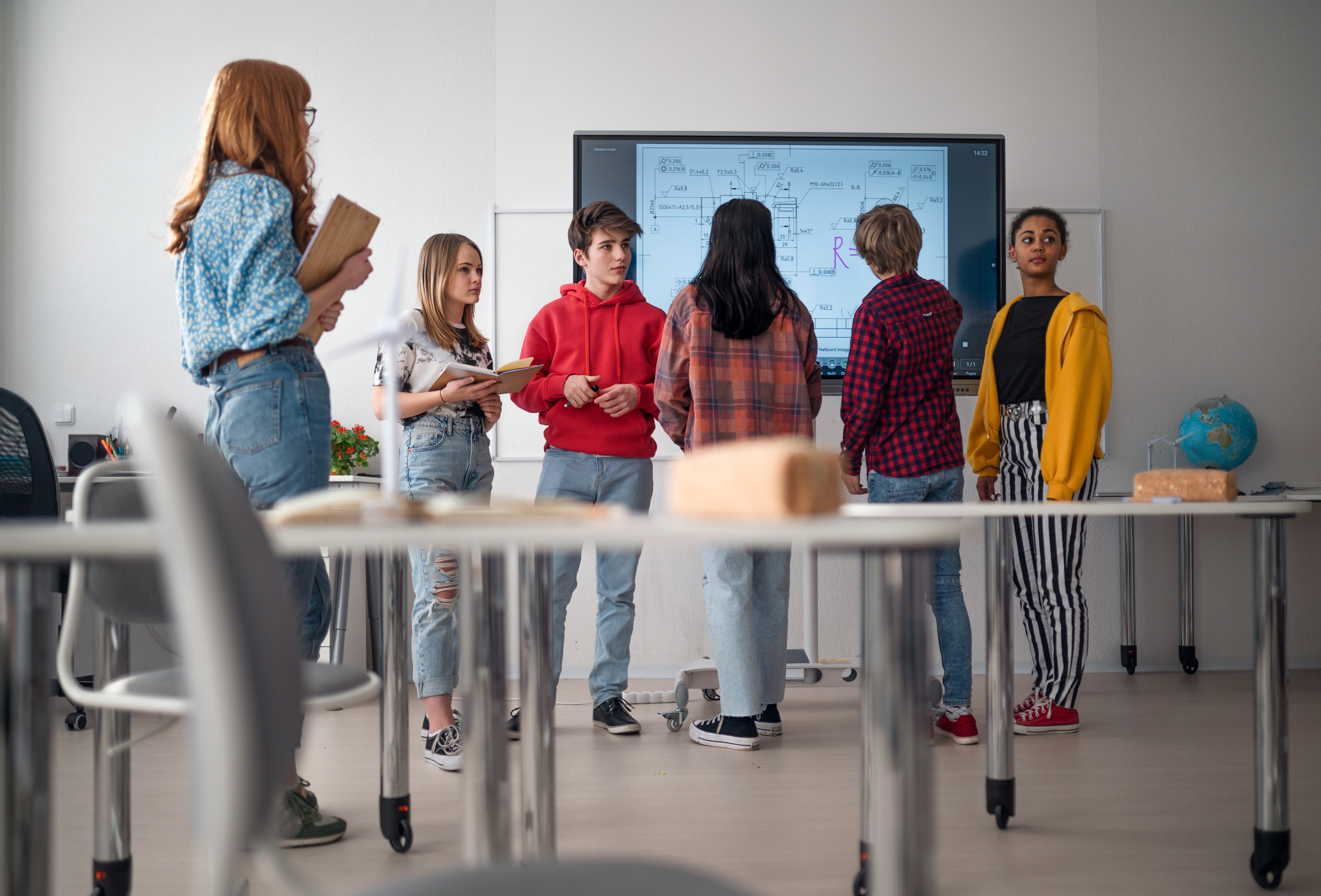
A student’s journey should be about discovery and growth. By enhancing engagement and agency, students take charge of their learning. Here’s how you can help them on this exciting journey.
Promoting Higher-Order Thinking Skills
Encourage students to think beyond memorisation. Create challenges that require higher-order thinking skills like analysis and synthesis. Debates, case studies, and design challenges are excellent tools. They promote deep understanding and critical thinking.
-
Story Time: A debate on renewable energy policies pushed students to research and form opinions.
-
Insight: Higher-order thinking prepares students for complex real-world challenges.
Cross-Curricular and STEM Opportunities
Break down subject silos and create cross-curricular projects. Combine subjects like math, science, and art to solve real problems. STEM projects, in particular, encourage exploration and innovation. They nurture curiosity and a love for learning. Explore more ways to incorporate STEM with this guide.
-
Story Time: Students created a weather station using math and science. They learned teamwork and technology skills.
-
Insight: Cross-curricular projects enrich learning and spark curiosity.
By connecting your curriculum to the community, careers, and real-world issues, you equip students with the tools they need for a future full of possibilities. Engage your students with these strategies and watch their excitement for learning grow.
